Travel guide
Switzerland on a Budget for Outdoor Lovers: Hikes, Lakes, Cycling and What It Really Costs
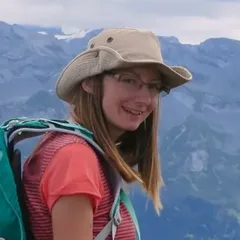
Can you enjoy Switzerland on a budget? Yes! Here are our favourite free hikes, lakes and bike rides, plus what our two weeks near Lucerne really cost, with 2026 prices.
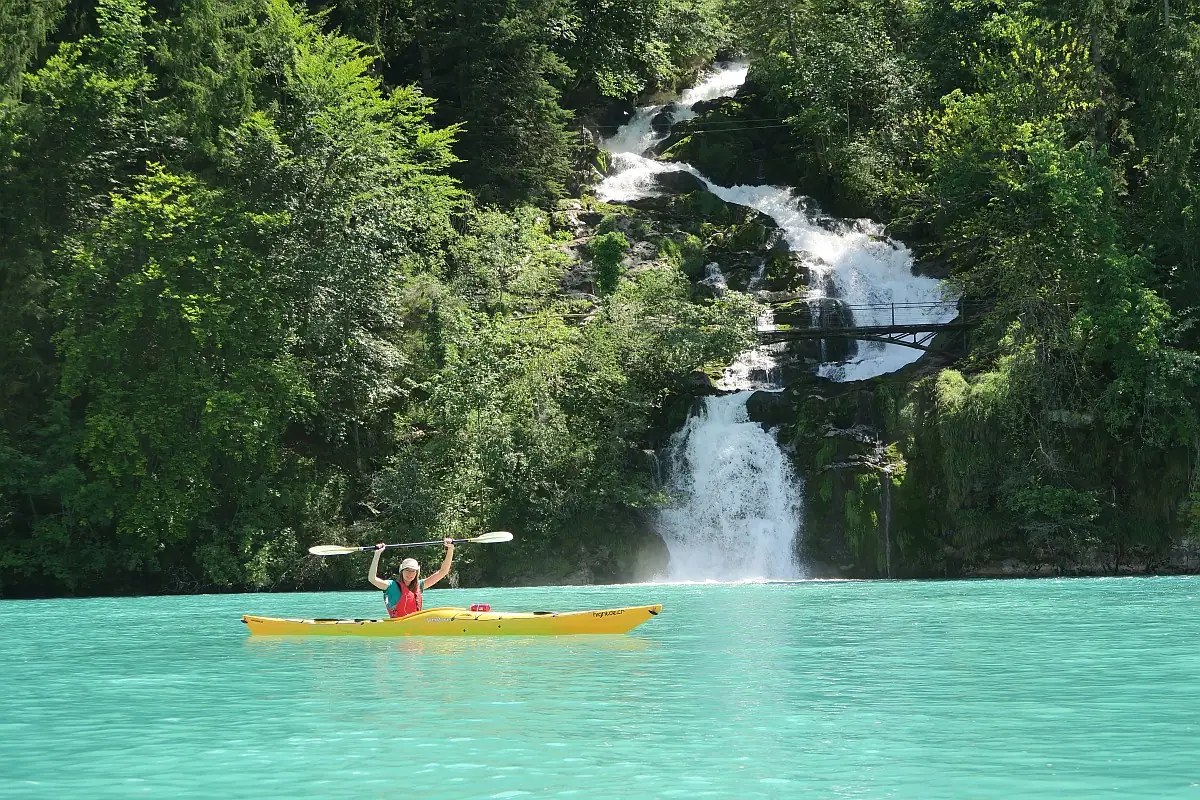
Can you really enjoy Switzerland on a budget? Everyone says it is one of the most expensive countries in Europe. And it is! But if you love hiking, lakes and cycling, the best things in Switzerland are free. Mountain trails, turquoise lakes and lakeside beaches don't cost a penny.
I have been to Switzerland five times. In summer 2019 we spent two weeks near Lucerne and kept a record of every franc we spent. We have also been in winter, to ski in LAAX and Val Lumnezia. So in this guide I share our favourite hikes, lakes and bike rides, plus what things really cost, with 2026 prices checked.
This post may contain affiliate links. If you make a purchase through one of these links, I may receive a small commission at no extra cost to you. As an Amazon Associate, I earn from qualifying purchases.
Quick answer
- Our real cost: £1,629 for two people for 15 days in summer 2019, including flights, car hire and food. Free accommodation through home exchange made the biggest difference.
- Best free activities: hiking up to lakes instead of taking the lift, walking the Lauterbrunnen Valley, and swimming at free lakeside beaches.
- Getting around: a 15-day Swiss Travel Pass costs CHF 499 in 2nd class (2026). A car can work out similar for two people and gets you to quiet trailheads.
- Save on food: cook your own meals and shop late in the afternoon, when supermarkets reduce food that expires that day.
- Wild camping: rules are set locally. One quiet night above the treeline is usually accepted, but never in the Swiss National Park or nature reserves.
What our Switzerland trip really cost
On our 2019 trip we stayed in a house 20 km from Lucerne for 14 nights, thanks to home exchange. It had a stunning view over a lake and the mountains. A similar house would have cost around £300 a night on Airbnb. Our full breakdown is in my post about prices in Switzerland, but here are the big items:
- Car hire: £850 for 15 days with all-inclusive insurance. This was our biggest expense.
- Flights: £325.48 for two from London City to Zurich, booked 7 months ahead.
- Groceries: £180 for two weeks for both of us. We ate every meal at home or as a picnic.
- Fuel and parking: £73 and £22.
- Lifts and attractions: only one cable car pass and one gorge ticket.
That came to £814.54 per person. Prices have gone up since 2019, so use our numbers as a rough guide. However, the same tricks still work today.
Eating on a budget
Eating out in Switzerland was expensive on a whole new level. In 2019, even at a simple mountain hut or lakeside beach restaurant, we saw a coffee for CHF 6 and a schnitzel with fries for CHF 26.50. So we made sandwiches every night for the next day's hike.
Lidl was the cheapest supermarket. We also shopped a lot in Coop, as it had more variety. We went every day between 3 and 5 pm, when lots of food was reduced to clear. This saved us a lot!
Phone and data
Switzerland is not in the EU, so roaming can cost a fortune. Turn off mobile data if you don't have a local plan. I bought a Swisscom prepaid SIM at Zurich Airport and had 4G even on mountain tops. As of 2026 it still comes with CHF 20 credit, and data costs CHF 2 on the days you use it. You need your passport to register.
Getting around: car or Swiss Travel Pass?
Swiss public transport is famously reliable. However, we chose a car because many of the quiet trailheads we wanted had less frequent buses. For the two of us, the car worked out only about £125 more than two 15-day passes would have cost.
Swiss Travel Pass prices (2nd class adult, 2026):
- 3 days: CHF 254
- 4 days: CHF 309
- 6 days: CHF 399
- 8 days: CHF 439
- 15 days: CHF 499
The pass gives unlimited travel on trains, buses and boats. It also includes Rigi, Stanserhorn and Stoos, and up to 50% off many other mountain trips. If you are staying in one area, look at the Swiss Half Fare Card instead. It costs CHF 150 for one month in 2026 and gives 50% off train, bus and boat tickets.
If you drive, budget for parking, even in the countryside. In Lauterbrunnen the church car park is CHF 12 for 8 hours (2026). Mountain roads can also have rules. The road up to Melchsee-Frutt only lets you drive uphill in even hours and downhill in odd hours.
Best hikes in Switzerland on a budget
Cable cars are a lot of fun, but they are pricey. We love hiking partly to get away from the crowds, so we mostly walked up ourselves. These are the hikes we did, from easy to hard.
Lauterbrunnen to Stechelberg (easy, free)
This flat 4.3 km path runs along the Lauterbrunnen Valley past waterfalls, with the Breithorn at the end. It is great for pushchairs, wheelchairs and kids on bikes. Staubbach Falls is still free to visit in 2026. Read my guide to hiking the Lauterbrunnen Valley.
Aare Gorge and Reichenbach Falls (easy, cheap)
A 1.4 km wooden walkway takes you through the gorge, with cliffs up to 180 m above you. Entry is CHF 13 for adults in 2026. We skipped the Reichenbach funicular and hiked up to the falls for free, which was a 7 km return walk. Here is my post on visiting Aare Gorge and Reichenbach Falls.
Gelmersee (moderate, free if you walk)
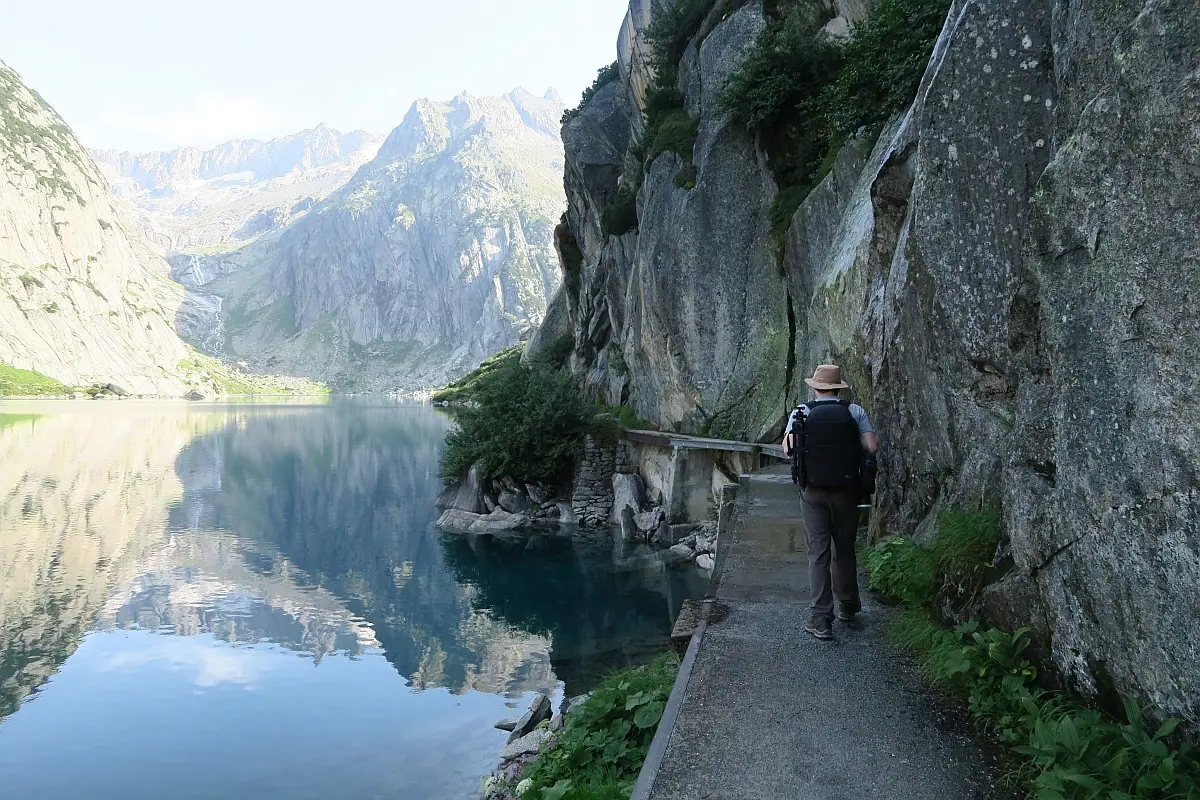
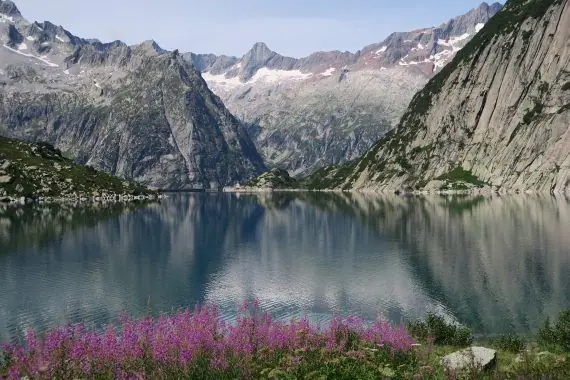
Gelmersee is a real Swiss gem. You can ride the Gelmerbahn, an open-air funicular with a gradient of up to 106%, for CHF 40 return in 2026. Or you can hike up for free in about 40 minutes, like we did. The 4.5 km loop around the lake takes 2–3 hours. See my Gelmersee hike guide.
Melchsee-Frutt and Bonistock (easy to moderate)
This was the only cable car we paid for, as it was good value and has lots of quiet trails. As of 2026 a day pass costs CHF 45 for adults and covers the gondola, the Bonistock cable car and the little Fruttli train. We walked the ridge from Bonistock down to Tannalp and on to Engstlensee. Read about hiking Bonistock.
Fürstein (moderate, free)
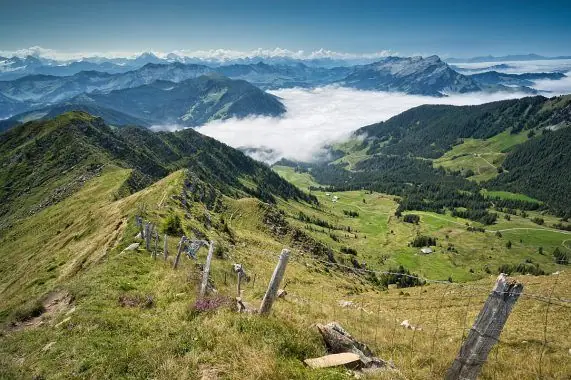
On this 9.5 km loop in the UNESCO Biosphere Entlebuch we mostly met locals, not tourists. We had a magical cloud inversion. Here is my post on hiking Fürstein, and more quiet ideas in hiking near Lucerne.
Hardergrat and Arnigrat (hard, free)
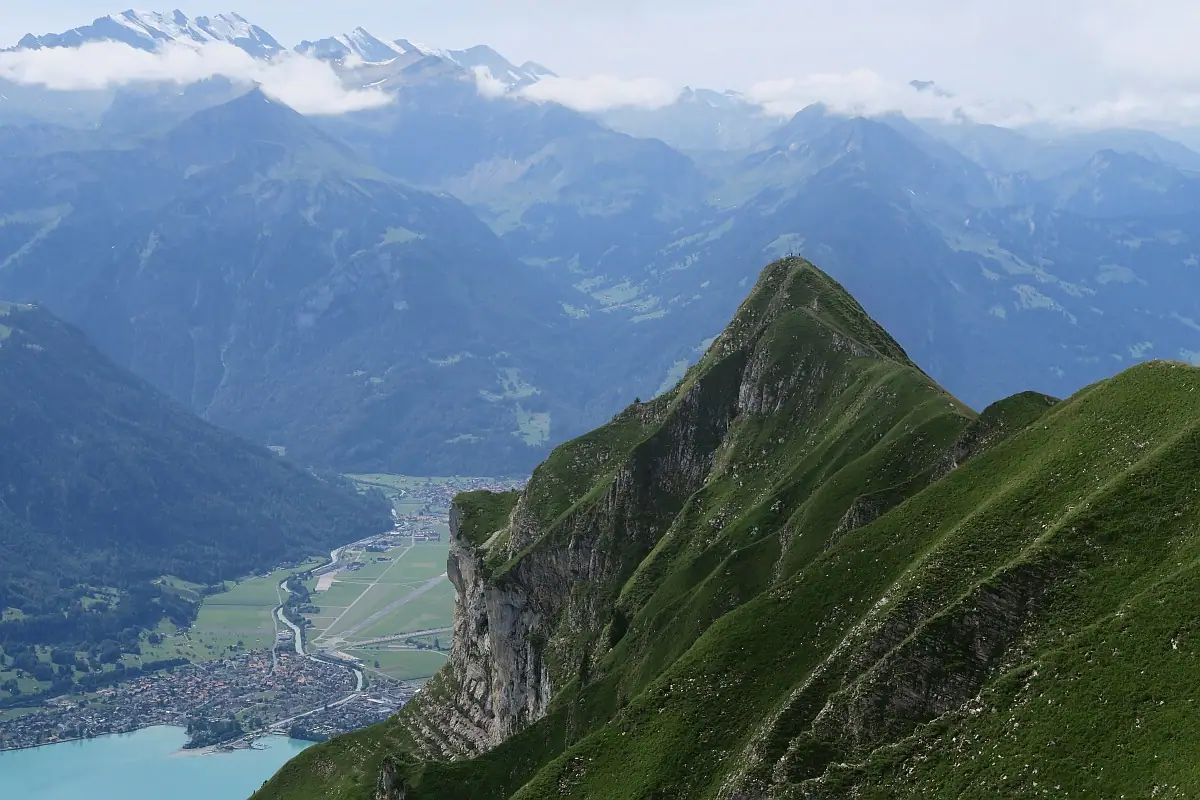
The full Hardergrat is a huge 24 km ridge, so we only did the section from Lombachalp to Suggiture and Augstmatthorn. It was 7 km with 680 m of ascent and stunning views over Lake Brienz. Arnigrat is graded T4, which is an alpine route. We met only four other hikers! Only do these in dry weather and if you have no vertigo. Read about the Hardergrat trail and hiking Arnigrat.
On remote, exposed ridges like these, an emergency device gives you peace of mind. The Garmin inReach Mini is one I recommend in my guide to personal locator beacons. It has since been replaced by the inReach Mini 3, so check which version you are buying.
More Swiss hikes
We haven't done these yet, but they are on our list. My trail guides cover the Oeschinensee Panorama Trail and the Aletsch Panoramaweg. Anna also wrote a guest post about Swiss hikes you have never heard of.
Lakes: swimming and kayaking
Swiss lakes are so refreshing after a hike. Many beaches are free or cheap.
- Lake Lungern: Seebad Lungern has a 56 m water slide and diving tower. Entry was CHF 7 for adults in 2026. Badi Bürglen at the other end of the lake is free. See things to do at Lake Lungern.
- Sarnersee: Strandbad Sachseln is a lovely public beach with clean toilets and a big playground. It was free when we visited.
- Gelmersee: if you are brave and don't mind cold water, you can even go for a dip.
Kayaking Lake Brienz
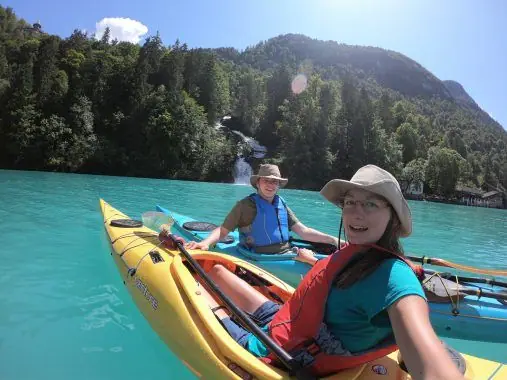
Kayaking on Lake Brienz was one of my favourite days in Switzerland. We paddled from Bönigen, near Interlaken, past the Iseltwald cliffs to Giessbach Falls and back, about 23 km in total. The turquoise water is unreal! We were guests of Hightide Kayak School. As of 2026 it rents a single sea kayak for CHF 80 for 8 hours, or CHF 50 for 3 hours. You need self-rescue training for a sea kayak. Its 3-hour guided tour costs CHF 115 for adults. Read about kayaking from Interlaken to Giessbach Falls.
If you bring your own boat, a backpack inflatable is handy on trains. The Sevylor Quikpak K1 is one I recommend as a cheap option in my round-up of the best inflatable kayaks in the UK. Its backpack turns into the seat, but it doesn't track very well.
Cycling in Switzerland
The cycle paths are well signposted and drivers are careful. We used our base for day trips by bike:
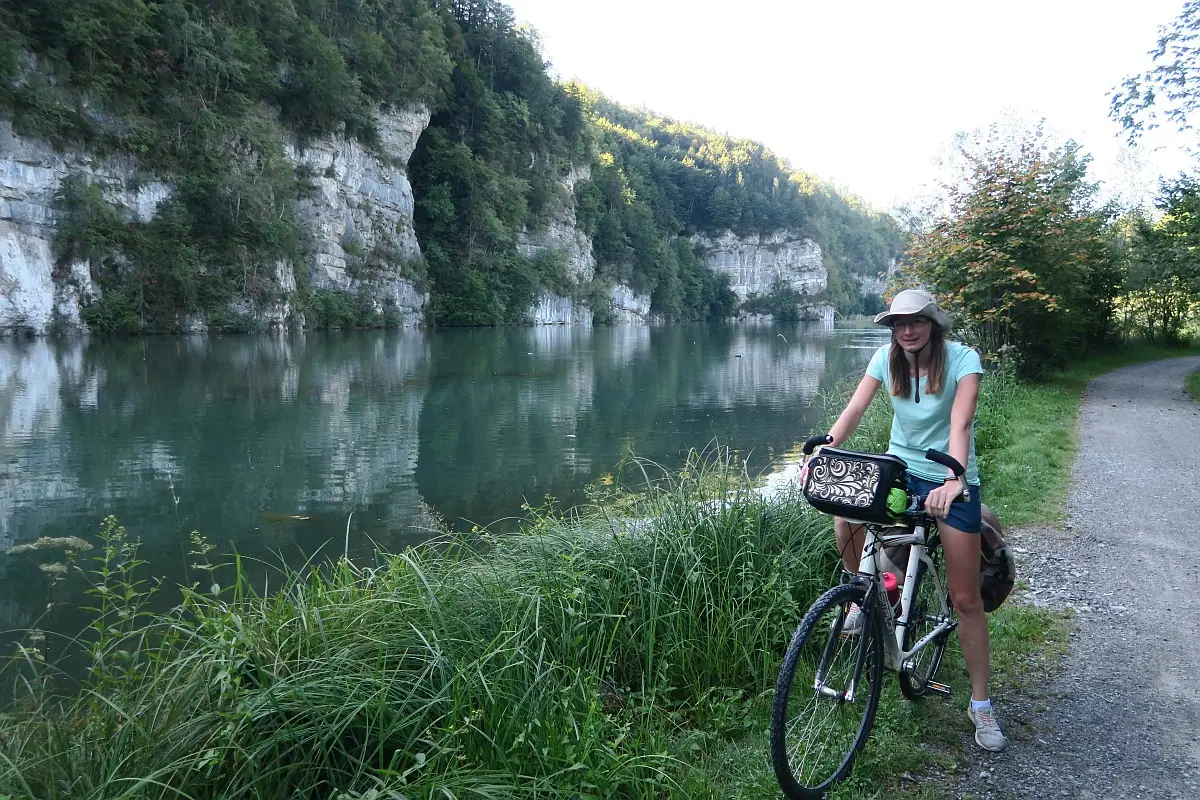
- Around Sarnersee: 33 km with no big hills, and beaches for a swim on the way.
- Sarnen to Alpnachersee loop: 48 km. We cycled across an airfield, which was really cool! The climb back via Stans and Kerns was quite exhausting.
- Lauterbrunnen to Stechelberg: 8.5 km there and back. It is flat and family-friendly.
Plan routes on the SwitzerlandMobility map. Rent a Bike has about 150 rental stations, including e-bikes, which you will see everywhere in this hilly country. All the details are in my Switzerland cycling holiday post. Cycling with a little one? Have a look at the best kids bike trailers.
Where to stay on a budget
Home exchange: this saved us the most money, in summer and in winter. In Val Lumnezia our swap had a gorgeous view from the dining room. Read about the advantages of home exchange.
Campsites: Camping Obsee at Lake Lungern is right on the lakeshore, a short walk from the lido and the cable car.
Wild camping: the Swiss Alpine Club explains that the rules are not the same everywhere. Cantons and communes can set their own restrictions. A single night above the treeline for a small group is usually fine if you are considerate. However, free camping is banned in the Swiss National Park, federal hunting reserves, many nature reserves and wildlife rest zones in their protection period. So check with the local commune before you pitch.
Switzerland in winter
We loved skiing in LAAX as guests of the resort during UK half term. The slopes were almost empty. It now uses dynamic pricing for ski passes, so book early online. For a cheaper, quieter option, we stayed in Val Lumnezia and skied at Obersaxen Mundaun. For 2026/27 an adult day pass is CHF 67, and parking is free at all the valley stations.
FAQ
How much does a week in Switzerland cost?
It depends most on where you sleep. Our 15-day trip in 2019 cost £814.54 each with free home exchange accommodation and home cooking. A 6-day Swiss Travel Pass alone is CHF 399 in 2026, so plan transport carefully.
Is the Swiss Travel Pass worth it?
It is worth it if you move around a lot by train and boat, or plan to visit Rigi, Stanserhorn or Stoos. If you stay in one base and drive to trailheads, a car or the CHF 150 Half Fare Card can work out better.
Can you wild camp in Switzerland?
Sometimes. The Swiss Alpine Club says one considerate night above the treeline is usually fine where no local rules forbid it. Camping is banned in the Swiss National Park and many protected areas. Always check with the commune.
What are the best free things to do in Switzerland for outdoor lovers?
Hike up to Gelmersee instead of riding the funicular, walk from Lauterbrunnen to Stechelberg, and swim at free beaches like Badi Bürglen or Strandbad Sachseln. Hiking up to Reichenbach Falls is free too.
When is the best time for hiking in Switzerland?
Summer and early autumn. Many lifts only run in summer. For example, the Melchsee-Frutt lifts ran from 13 June to 18 October in 2026, and Aare Gorge is closed in winter.
Have you been to Switzerland? Did you find it expensive? Let me know your best money-saving tips in the comments!
join the conversation
Comments
No comments yet. Be the first to share your thoughts!