Travel guide
Day Hike Packing Checklist: What to Pack for a Day Hike (with Printable List)

What should you pack for a day hike? Here is the day hike checklist we actually use, from waterproofs and snacks to the emergency kit, with a printable list.
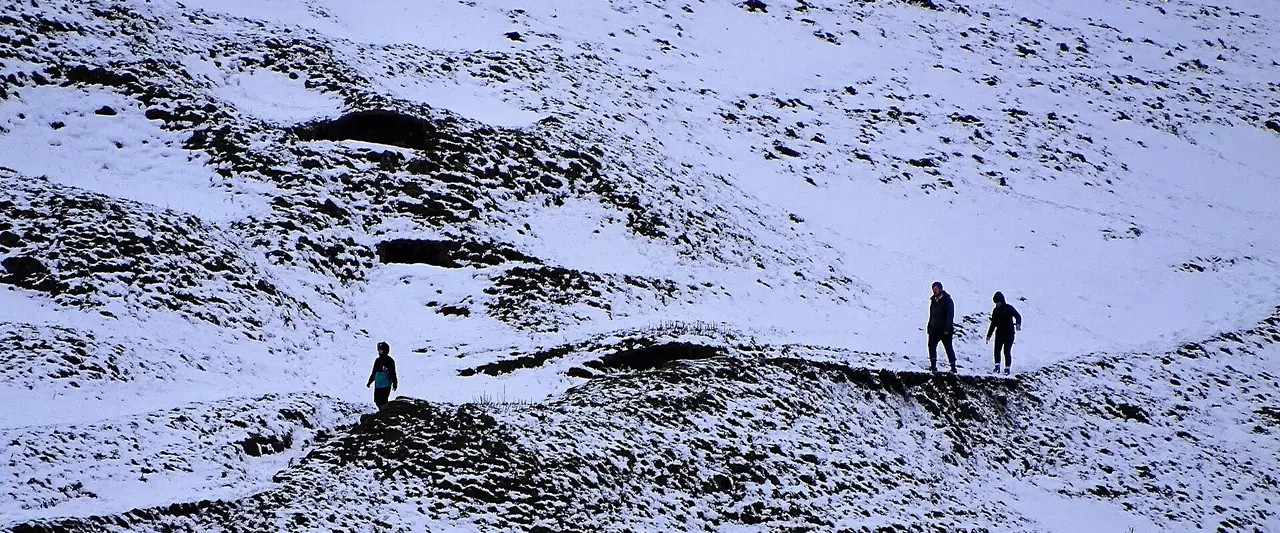
What do you really need to pack for a day hike? Is a bottle of water and a sandwich enough, or should you carry half of an outdoor shop on your back? The honest answer is somewhere in the middle. A good day pack is light, but it still gets you home safely if the weather turns or something goes wrong.
We have packed for everything from easy walks in the Chilterns close to home to wild Welsh mountains and Swiss ridges. On Arenig Fawr the wind reached 50 mph, and I think my hiking poles were the only thing that kept me on the mountain! So here is the day hike packing checklist we actually use, with a printable list at the end.
This post may contain affiliate links. If you make a purchase through one of these links, I may receive a small commission at no extra cost to you. As an Amazon Associate, I earn from qualifying purchases.
Quick answer
- The essentials: water, snacks and lunch, a waterproof jacket, a warm layer, a map and compass (or an offline map app as a backup), a charged phone and power bank, a small first aid kit and a head torch.
- Emergency extras: a whistle, a survival bag and emergency contact details. Register your phone for the free emergency SMS service before you go.
- What to wear: comfortable walking boots or shoes, walking socks and quick-drying layers. Avoid cotton and jeans.
- Seasonal extras: sun cream, a sun hat and insect repellent in summer. A hat, gloves, a spare warm layer and a flask of hot drink in winter.
- Before you set off: check the mountain forecast and tell someone your route and when you expect to be back.
What to wear on a day hike
The secret is layers. You warm up quickly on the way up, then cool down fast on a windy summit. So it is much better to wear a few thin layers than one thick jumper.
- Base layer: a breathable top in a technical fabric or merino wool. Cotton stays wet and cold. I love my Isobaa merino wool layers, as they stay comfortable all day.
- Trousers: quick-drying walking trousers that let you move freely. Jeans are a big no, as they get heavy and cold when wet.
- Footwear: walking boots or shoes that fit well and suit the terrain. For rocky or muddy hills, sturdy hiking boots with good grip are definitely worth it.
- Socks: proper walking socks. Merino is great, and it is what AdventureSmart UK recommends too.
Even on a sunny day it can be cold on top. When we walked along Stanage Edge on our Peak District campervan trip, I had to put on several layers, a hat and a hoody to keep warm. So always pack more than you think you need.
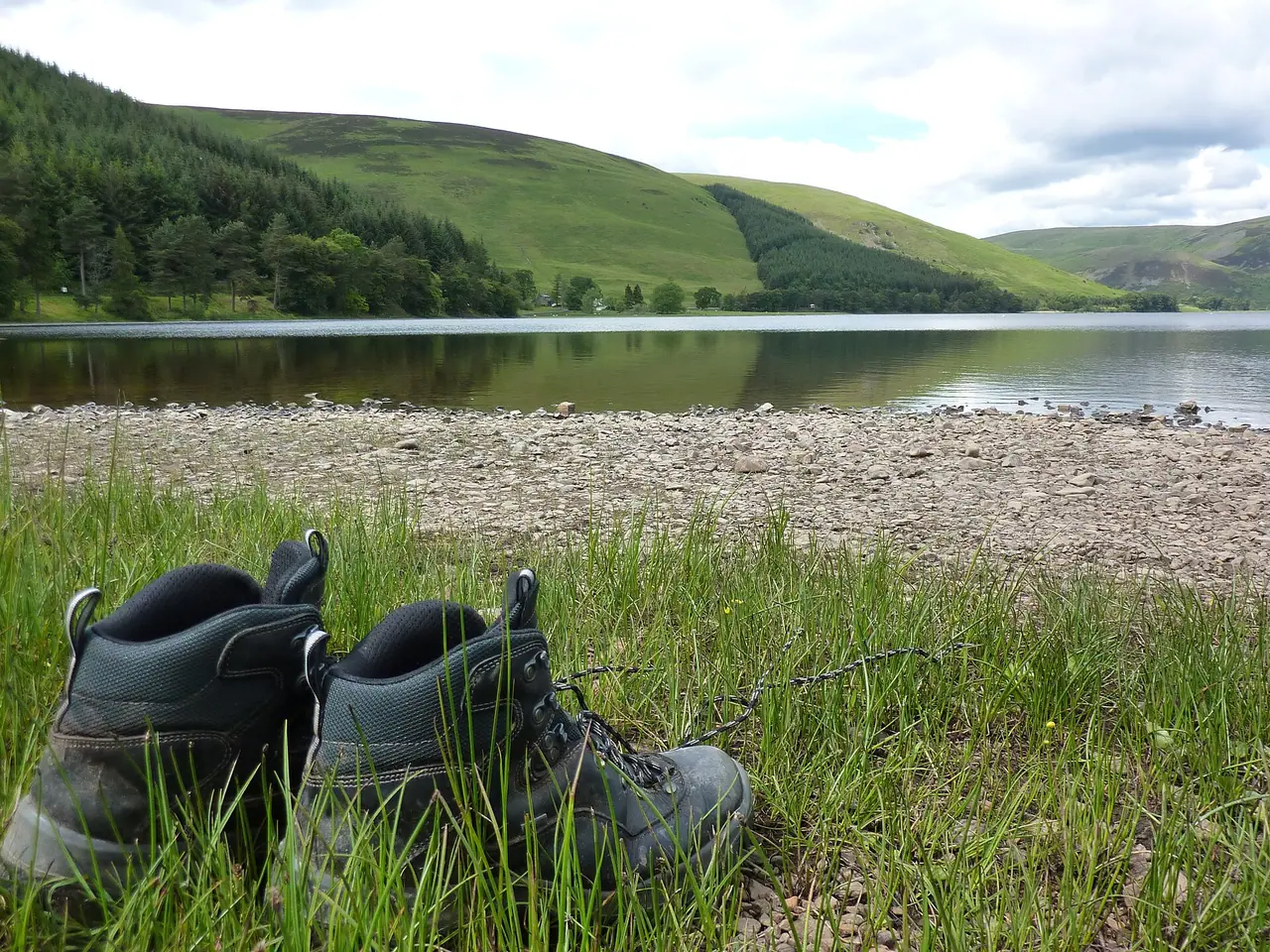
Day hike essentials: what to pack in your backpack
Water and food
Bring plenty of water, and a bit more on hot days or long climbs. Many hills have no café or shop, so plan to be self-sufficient. We often stop for a picnic on our walks. On our hike to Rifugio Laeng in Italy we ate our own sandwiches and just bought some refreshments at the hut.
Snacks are just as important as lunch. Nuts are high in fat, so they give you a quick energy boost. Energy bars, dried fruit and flapjacks are also easy to carry. You can find lots more ideas in my post about the best food for expeditions.
If you want to top up from streams, take a filter. The Sawyer Mini is the one I recommend in my wild camping kit list. It is tiny and weighs almost nothing.
Waterproofs and a warm layer
In the UK you must be prepared for rain, even when the forecast looks good. Pack a waterproof jacket, waterproof over-trousers and an insulating layer, like a fleece or a light down jacket. Add a hat and gloves outside summer.
Mountain weather changes fast. On our Arnigrat ridge hike in Switzerland we carried rainproof trousers, a rainproof jacket, a fleece, a summer hat, sun cream, a map, our phones, a power bank and hiking poles. The weather changed quickly for us, as it often does in the mountains.
Navigation: map, compass and apps
We normally use the OS Maps app or AllTrails to navigate on our walks, like on our Sundon Hills to Sharpenhoe Clappers walk. However, apps are not perfect. On Arenig Fawr we used both, and still not all of the route was marked.
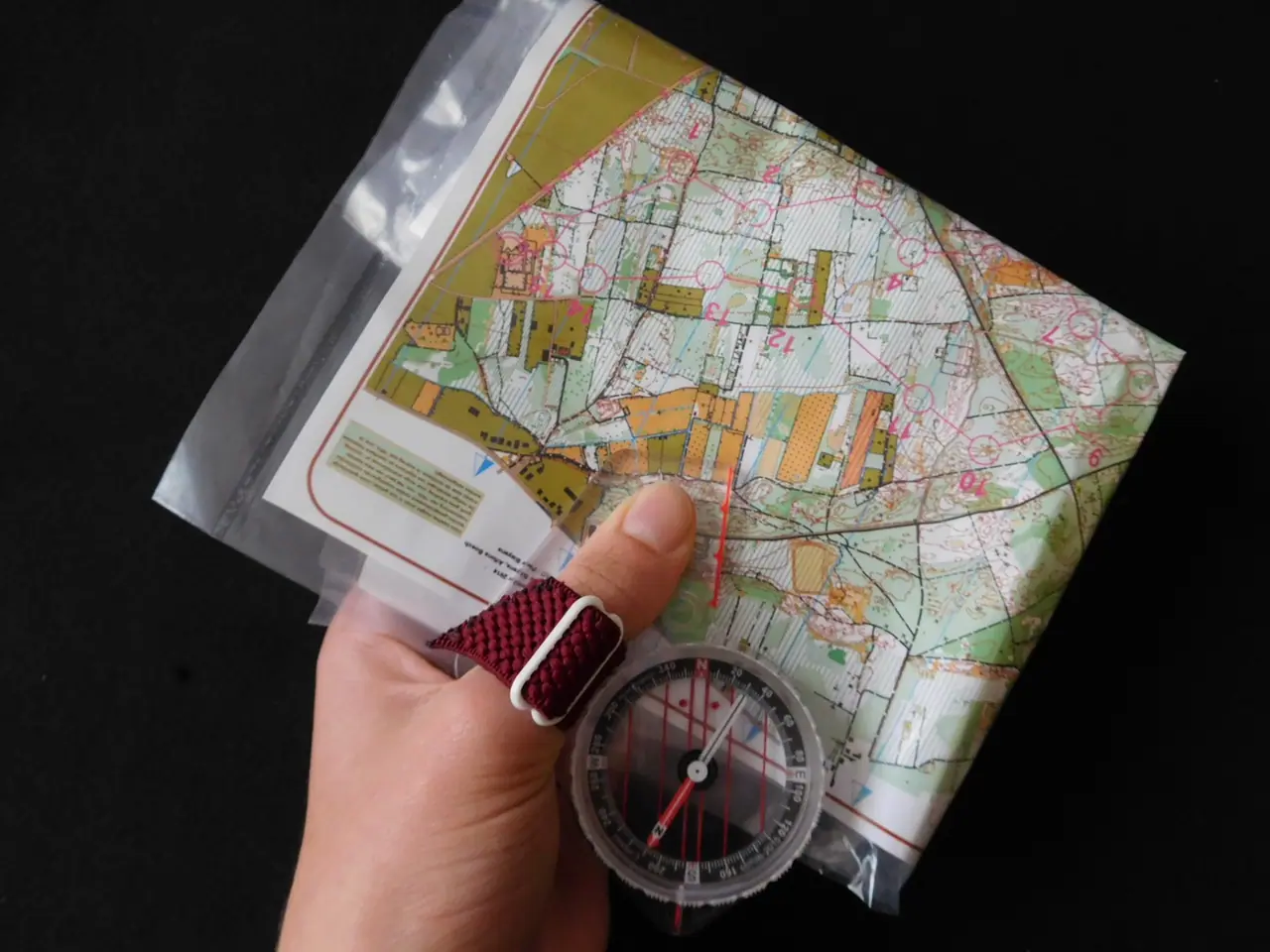
So carry a map and compass too, even if you use GPS. This is also AdventureSmart UK's advice. Download offline maps before you leave, because there is often no signal in the hills. I compare the most popular apps in my guide to the best hiking apps and maps.
Phone, power bank and head torch
Your phone is your map, camera, weather forecast and emergency line all in one. So I always carry a power bank. Keep your phone in a dry bag or a waterproof pouch.
A head torch is light and small, so there is no excuse to leave it at home. A walk can easily take longer than planned, and in winter it gets dark really early.
First aid kit
A small first aid kit is a must. The things I have used most on our adventures are tick tweezers, painkillers, plasters and antiseptic wipes. Add blister plasters and any medication you need, with spares.
Emergency kit
These items weigh very little, and you will hopefully never use them:
- Whistle: it carries much further than your voice.
- Survival bag: a big plastic or foil bag that keeps you warm and dry if you have to wait for help.
- Emergency contact details: written down, not just saved on your phone.
For remote hikes with no phone signal, think about a personal locator beacon or a satellite messenger. We bought our Garmin device for a multi-day canoe trip in Scotland, and it gave us real peace of mind. If you want something simple and cheaper, the McMurdo FastFind 220 is the budget pick I recommend in my guide to the best personal locator beacons.
Hiking poles
I used to think hiking poles were only for old people. How wrong I was! They take some of the load off your knees on steep descents, and they help a lot with balance on river crossings and narrow ridges. A small sit mat is another favourite of mine for snack breaks, as it weighs almost nothing.
Extra kit for summer and winter
Summer
- Sun cream, a sun hat and sunglasses.
- Extra water, as there is often very little shade on hills.
- Insect repellent. In Scotland, midge repellent is definitely worth packing.
- Swimming kit if you are planning a wild swim.
Ticks: the NHS says ticks live in woods and long grass across the UK, and grassy and wooded areas in southern England and the Scottish Highlands are high risk. Stick to clear paths, tuck your trousers into your socks and use insect repellent. Check yourself, your kids and your dog after the walk. To remove a tick, grip it as close to the skin as you can with fine-tipped tweezers or a tick removal tool, and pull it out slowly.
Winter
- A warm hat, gloves and a spare warm layer.
- Spare socks.
- A flask of hot drink. It makes such a difference on a cold summit.
- A head torch with fresh batteries or a full charge.
- Sunglasses, as snow glare can be really strong.
Please note that snowy mountains in winter need more than a day hike checklist. You will need winter skills and kit like an ice axe and crampons, or a guide.
Packing for a day hike with kids
Hiking with a little one takes more planning and more snacks! For our Whorneyside Force waterfall walk in the Lake District, we bought a 4-hour parking ticket. The walk can be done in under 2 hours, but we wanted plenty of time for photos, a picnic and Peter's needs whenever he wanted to get out of the carrier.
With kids, I suggest adding:
- Extra snacks and drinks, and a favourite treat for the last stretch.
- A full change of clothes in a dry bag.
- Nappies, wipes and a bag to carry rubbish home.
- Sun hat and sun cream, or a warm hat and mittens.
- A baby carrier or an all-terrain pushchair. We have pushed our Out n About Nipper through mud, snow and grass, but many hill paths are carrier-only.
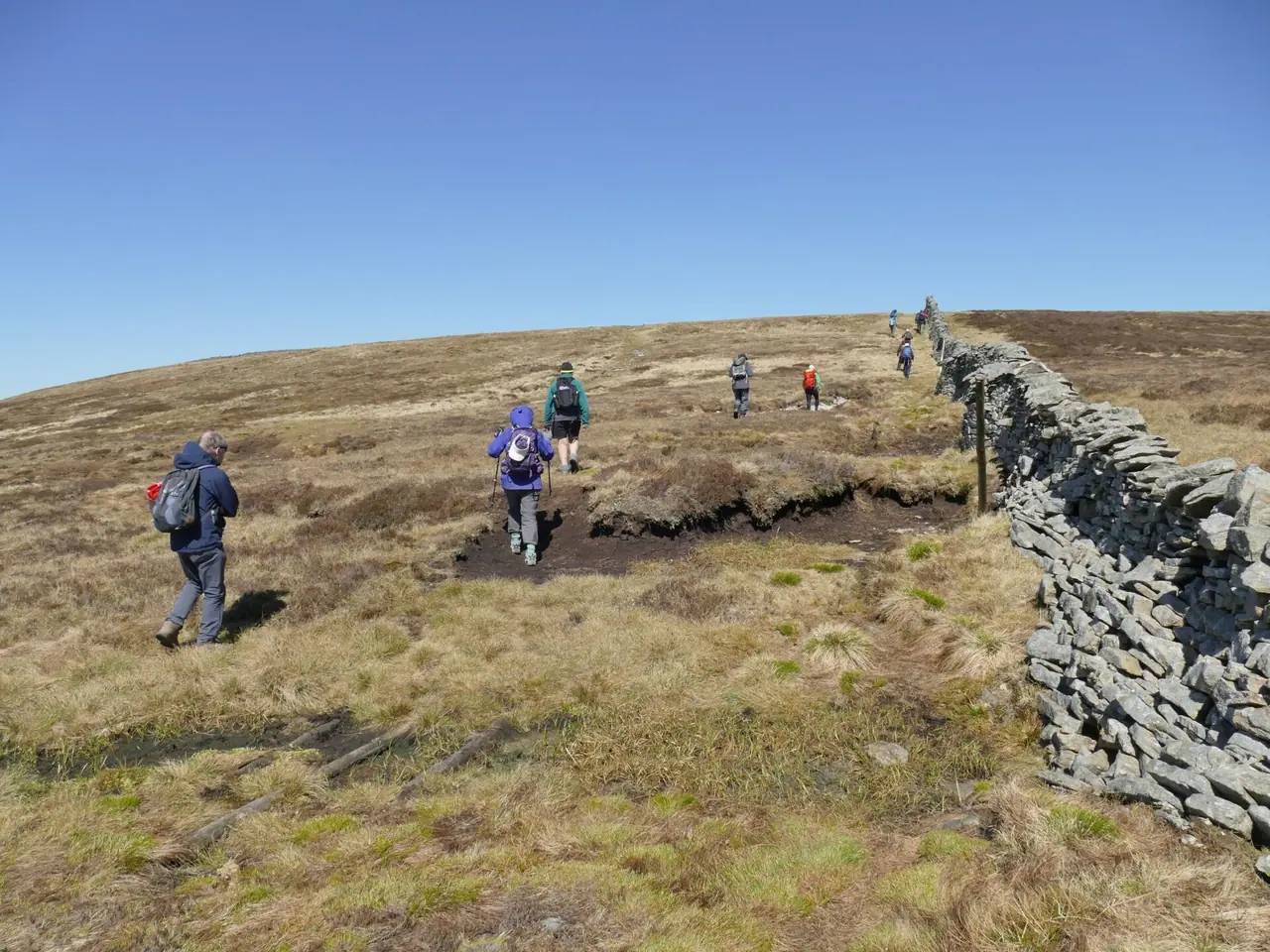
Before you set off
AdventureSmart UK suggests asking yourself three questions before any walk:
- Am I confident I have the knowledge and skills for the day?
- Do I know what the weather will be like?
- Do I have the right gear?
For hill days, check a mountain forecast, not just your phone's weather app. MWIS (the Mountain Weather Information Service) covers 10 upland regions, including the Lake District, Peak District, Eryri and the Scottish Highlands. The Met Office also publishes mountain forecasts for the main upland areas.
Tell someone where you are going and when you expect to be back. Also register your phone for the emergency SMS service. Text "register" to 999 and follow the instructions. It is free, and it lets you text 999 if you can't make a call.
In an emergency in the hills, dial 999, ask for the Police and then Mountain Rescue. The team may send you a link by text that shares your exact location, so keep some battery for it.
Printable day hike packing checklist
Print this page or save a screenshot of the list below on your phone. Tick things off as you pack.
Wear
- Walking boots or shoes
- Walking socks (merino or synthetic)
- Base layer (no cotton)
- Quick-drying walking trousers
- Sun hat or warm hat
In your backpack
- Water (and a filter for longer hikes)
- Lunch and snacks
- Waterproof jacket
- Waterproof over-trousers
- Fleece or insulated jacket
- Hat and gloves
- Map and compass
- Phone with offline maps downloaded
- Power bank and cable
- Head torch
- First aid kit, blister plasters and tick tweezers
- Personal medication
- Whistle
- Survival bag
- Emergency contact details
- Sun cream and sunglasses
- Insect or midge repellent
- Toilet paper, hand sanitiser and a bag for rubbish
- Cash and a bank card for parking
Optional
- Hiking poles
- Sit mat
- Flask of hot drink
- Spare socks
- Camera
- Swimming kit and a small towel
- Personal locator beacon or satellite messenger
FAQ
What should I pack for a day hike?
Pack water, food, a waterproof jacket, a warm layer, a map and compass, a charged phone with a power bank, a first aid kit, a head torch, a whistle and a survival bag. Add sun cream in summer and a hat, gloves and a flask in winter.
Do I need a paper map if I have a hiking app?
Yes, I suggest it. Phones can run out of battery, get wet or lose signal. AdventureSmart UK recommends carrying a map and compass even if you use GPS. Download offline maps in your app as well.
What should I wear hiking in the UK?
Wear layers: a breathable base layer, quick-drying trousers, and walking boots or shoes with walking socks. Carry a waterproof jacket and trousers and a warm layer, because UK weather changes quickly, especially on hills.
What should a day hike first aid kit include?
Plasters, blister plasters, antiseptic wipes, painkillers, tick tweezers and any medication you take. These are the things I have used most on our trips.
How do I call Mountain Rescue in the UK?
Dial 999 and ask for the Police, then Mountain Rescue. If you can't make calls, you can text 999, but only if you registered for the emergency SMS service first. Text "register" to 999 to sign up.
Did you find this checklist useful? Save it for later or share it with a friend who is planning their first hike. What is the one thing you never hike without? Let me know in the comments!
Photo credits (4)
All photos on this page are by other photographers and are used under free licences. Thank you for sharing them.
- Cover photo: Walkers descending Mam Tor in wintertime - geograph.org.uk - 5656334.jpg by Neil Theasby, CC BY-SA 2.0, via Wikimedia Commons. Resized and cropped for this page.
- Photo 2: Boots by the loch (6823262185).jpg by Andrew Bowden from London, United Kingdon, CC BY-SA 2.0, via Wikimedia Commons. Resized for this page.
- Photo 3: Het duimkompas met kaart.jpg by Laurine1122, CC BY-SA 4.0, via Wikimedia Commons. Resized for this page.
- Photo 4: Walking towards Plover Hill - geograph.org.uk - 8321679.jpg by Stephen Craven, CC BY-SA 2.0, via Wikimedia Commons. Resized for this page.


join the conversation
Comments
No comments yet. Be the first to share your thoughts!