Travel guide
The Countryside Code and Leave No Trace in the UK: A Practical Guide

Gates, dogs, BBQs, litter, parking and that awkward toilet question. Here is what the Countryside Code and Leave No Trace really mean on a UK walk or wild camp.
This post contains affiliate links. If you book or buy through them, I may earn a small commission at no extra cost to you. More about this
Have you ever reached a beautiful viewpoint and found a pile of litter, or a burnt patch of grass from a disposable barbecue? It is so sad to see. Most of the time it isn't done on purpose. People just don't know the rules, or they don't think about what happens after they leave.
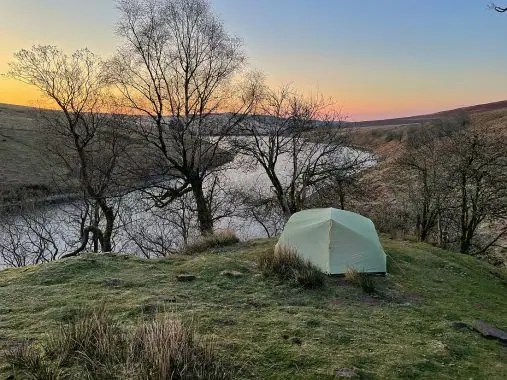
Over the years we have walked, paddled and wild camped all over the UK, from the hills of Bedfordshire to the Brecon Beacons and Dartmoor. On our Grwyne Fawr wild camping trip, we met a camper by the reservoir who had already pitched up at 4 pm and was gathering wood for a fire pit. He was a nice lad and we had a good chat. However, we are not fans of fires or of pitching up that early. So in this guide I explain what the Countryside Code and Leave No Trace actually mean on a real walk or camping trip in the UK.
Quick answer
- England and Wales: follow the Countryside Code. Its three parts are Respect everyone, Protect the environment and Enjoy the outdoors.
- Scotland and Northern Ireland: each has its own guidance. Scotland's is the Scottish Outdoor Access Code.
- Dogs: on open access land in England and Wales, dogs must be on a lead from 1 March to 31 July, and around livestock at any time.
- Fires and BBQs: only where signs say they are allowed. Use a camping stove instead.
- Litter: take everything home. Dropping litter is a criminal offence.
- Leave No Trace: seven simple principles for leaving places as you found them, from planning ahead to protecting nature from fire.
What is the Countryside Code?
The Countryside Code is the official guide to enjoying the countryside in England and Wales. It is published on GOV.UK, and the current version was last updated in May 2023. It covers everything from gates and parking to dogs and barbecues.
Most of it is common sense, but a few parts are actually the law. So it is worth reading once, even if you have been walking for years. Here is what each part means in practice.
Respect everyone
The countryside is someone's home and workplace. Farmers, residents and rangers all share it with us.
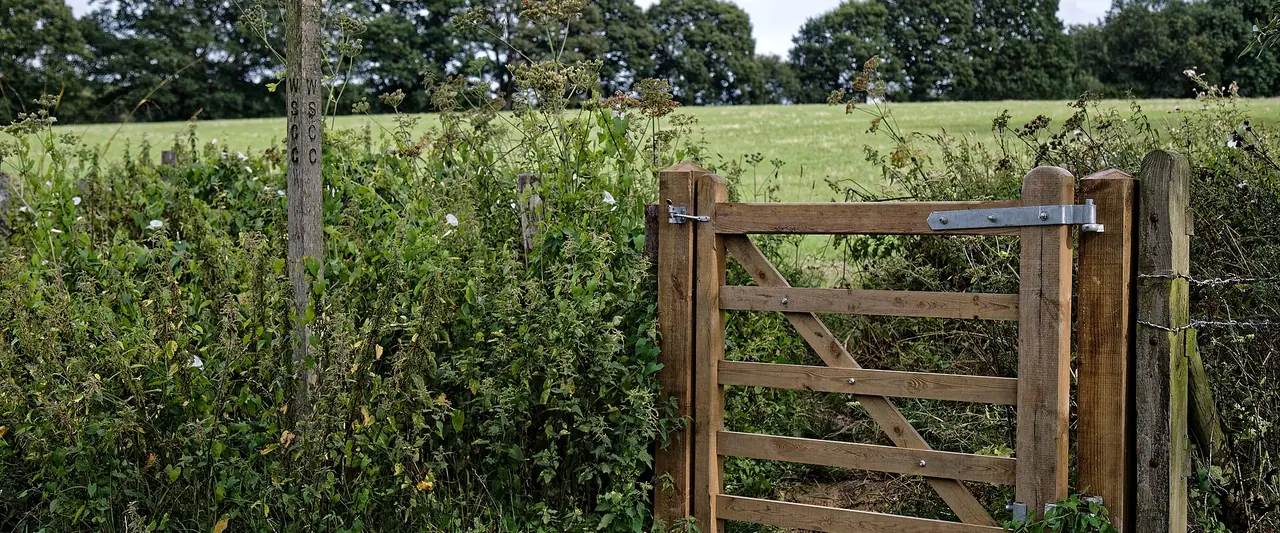
- Gates: leave gates and property as you find them, or follow the signs. If you are in a group, the last person should know how to leave each gate.
- Parking: never block gateways or driveways, and always leave room for emergency vehicles.
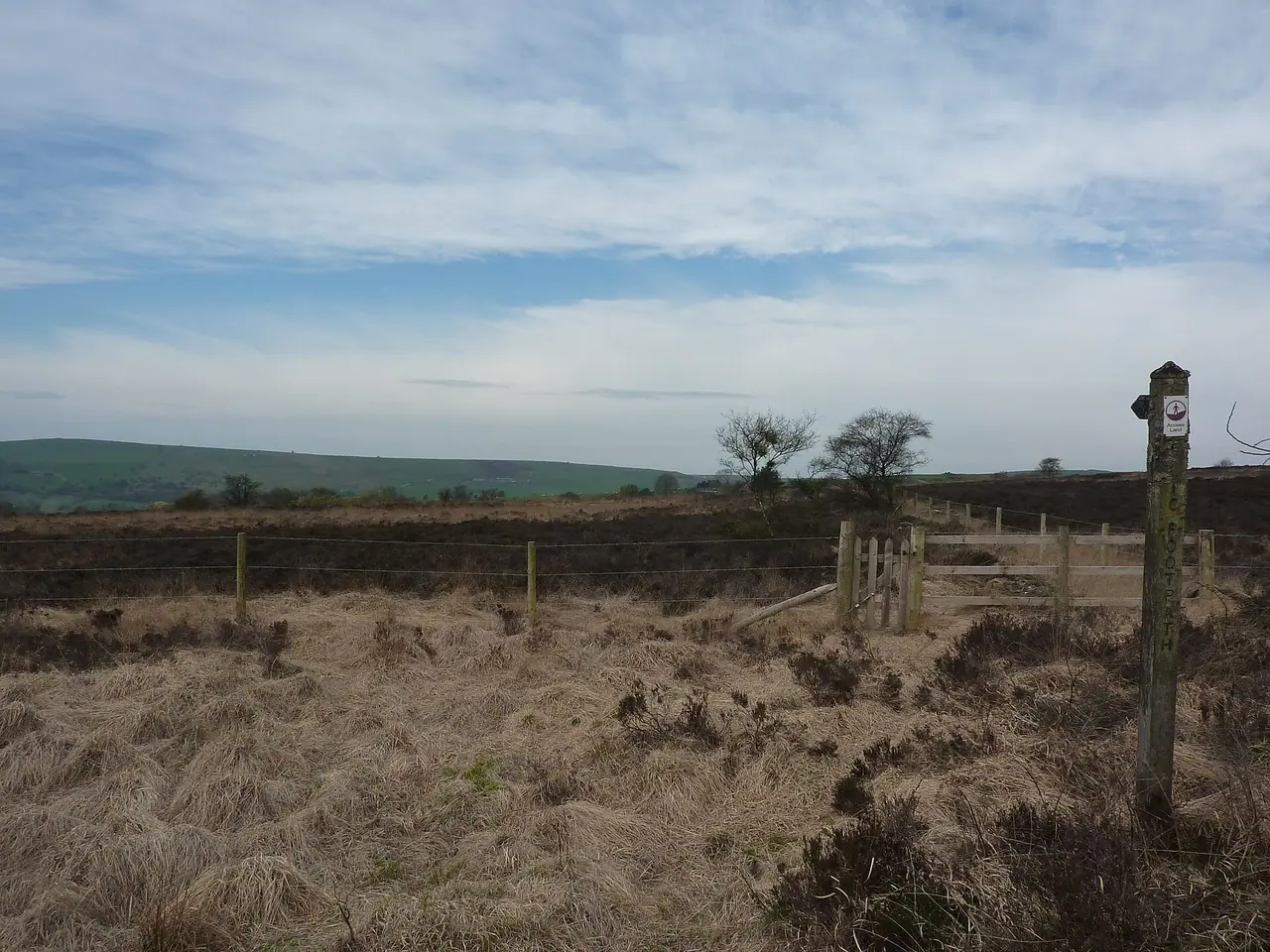
- Paths: stay on marked paths, even if they are muddy, unless you are on open access land.
- Livestock: follow the farmer's directions when animals are being moved. Give animals plenty of space, especially when they have young, and never feed them.
- Country lanes: slow down when driving. Where there is no pavement, walk facing the oncoming traffic.
- Bridleways: cyclists should give way to walkers and horse riders.
Parking: this is the one we see go wrong most often. At the Roaches in the Peak District there is roadside parking along Roach Road, but it fills up fast, so arrive early. Do not park on the grass verges, as the area is monitored and inconsiderate parkers get a ticket. On the Isle of Skye, cars parked on the verges narrow the roads, so locals, deliveries and farm machinery can't pass safely. Please be considerate when you park!
Protect the environment
Litter
Take all your rubbish and food waste home, or use a bin. The Code sums it up in four words: "Leave no trace of your visit." Litter harms wildlife and livestock, and dropping it is a criminal offence. This includes food waste.
I always put a few plastic bags for rubbish on my packing list. On Dartmoor we wild camped for three days without passing a single shop, so everything stayed in those bags until we found a bin. One of the operators in our guide to kayaking and canoeing near London even runs regular clean-ups, so bring a spare bag and pick up any rubbish you find!
Fires and BBQs
Only have a BBQ where signs say it is allowed. Make sure any fire or ash is completely out and cold before you leave. If you see an unattended fire, call 999.
Wildfires can spread fast on dry moorland and heath, so I always recommend a camping stove instead. We always take a small gas stove for hot drinks and dinner. The JetBoil is the one I recommend in my wild camping equipment checklist.
Dogs
- Keep your dog under control and in sight, and on the path or area you have access to.
- On open access land, dogs must be on a lead from 1 March to 31 July, even if there are no animals around.
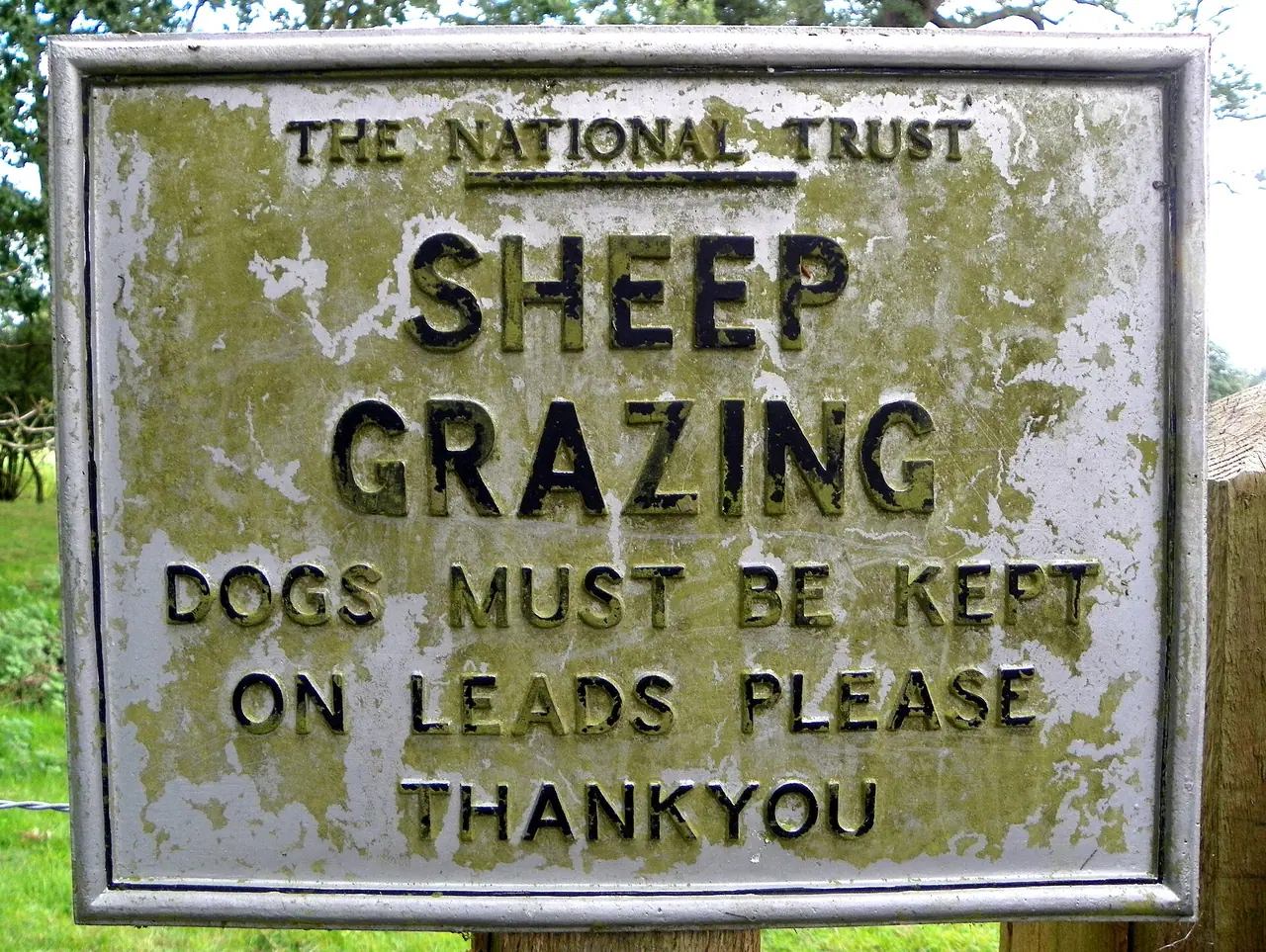
- On open access land and the coast, keep dogs on a lead around livestock at any time. It is good practice everywhere.
- A farmer may shoot a dog that is attacking or chasing livestock.
- If cattle or horses threaten you, let your dog off the lead. It helps you both get to safety.
- Bag and bin dog poo, or take it home. Please don't hang the bag on a tree!
Dogs: many of the walks on this blog have extra local rules. For example, dogs must be on a short lead at all times on the Stanage Edge estate, and on the Pegsdon Hills reserve sheep and cattle graze, so keep dogs on a lead there too. Always look out for signs at the gate.
Wildlife and heritage
Don't damage or disturb plants, trees, rocks or wildlife, especially ground-nesting birds. Leave ruins and historic sites as you find them.
Enjoy the outdoors
This part is all about planning ahead, so you stay safe and have a good day.
- Check your route, map and local conditions before you set off.
- Check the weather forecast, plus tide times and water quality if you will be near the coast or rivers.
- Tell someone where you are going and when you will be back. Phone signal is patchy in many rural areas.
- Make sure you have the right skills, clothing and kit.
- Be ready to turn back or change your plans if the weather turns or a place is too busy.
- Some activities need the landowner's permission, such as camping, wild swimming in rivers and lakes, and freshwater fishing.
The Code also suggests using public transport where you can. We love this one. For our Dartmoor trip we took the train from London Paddington to Ivybridge, and the National Park entrance was only a short walk from the station. For more ideas, see my list of places to go hiking near London by train.
The Leave No Trace principles
Leave No Trace is a set of seven principles that is used around the world. Leave No Trace Ireland updated its version in 2024, and I really like how practical it is:
- Plan ahead and prepare. Know the rules, the weather and your route before you go.
- Be considerate of others. Keep noise down and give people space.
- Respect farm animals and wildlife. Watch from a distance and never feed them.
- Travel and camp responsibly. Stay on paths and pick a pitch that won't be damaged.
- Leave what you find. Flowers, stones and feathers stay where they are.
- Dispose of waste properly. Pack it in, pack it out.
- Protect nature from fire. Use a stove, and never light fires in dry weather.
The toilet question
Nobody likes talking about it, but it matters! The Scottish Outdoor Access Code gives clear advice. Pack a trowel, toilet paper, hand sanitiser and sealable bags. Pee at least 30 m away from lochs, rivers and streams. For a poo, go well away from buildings, paths, water and farm animals. Then bury it in a shallow hole and replace the turf, or bag it and carry it out. In my Brecon Beacons post I suggest going even further: carry your toilet paper out with you, and dig at least 100 m away from any water source.
Wild camping: where is it allowed?
This is where the UK gets confusing, as the rules are different in each nation.
- Scotland: wild camping is part of your access rights, as long as you follow the Scottish Outdoor Access Code. Camp in small numbers, for no more than two or three nights in one place, and well away from buildings and roads. In parts of Loch Lomond and The Trossachs National Park, seasonal byelaws mean you need a camping permit or must use a campsite.
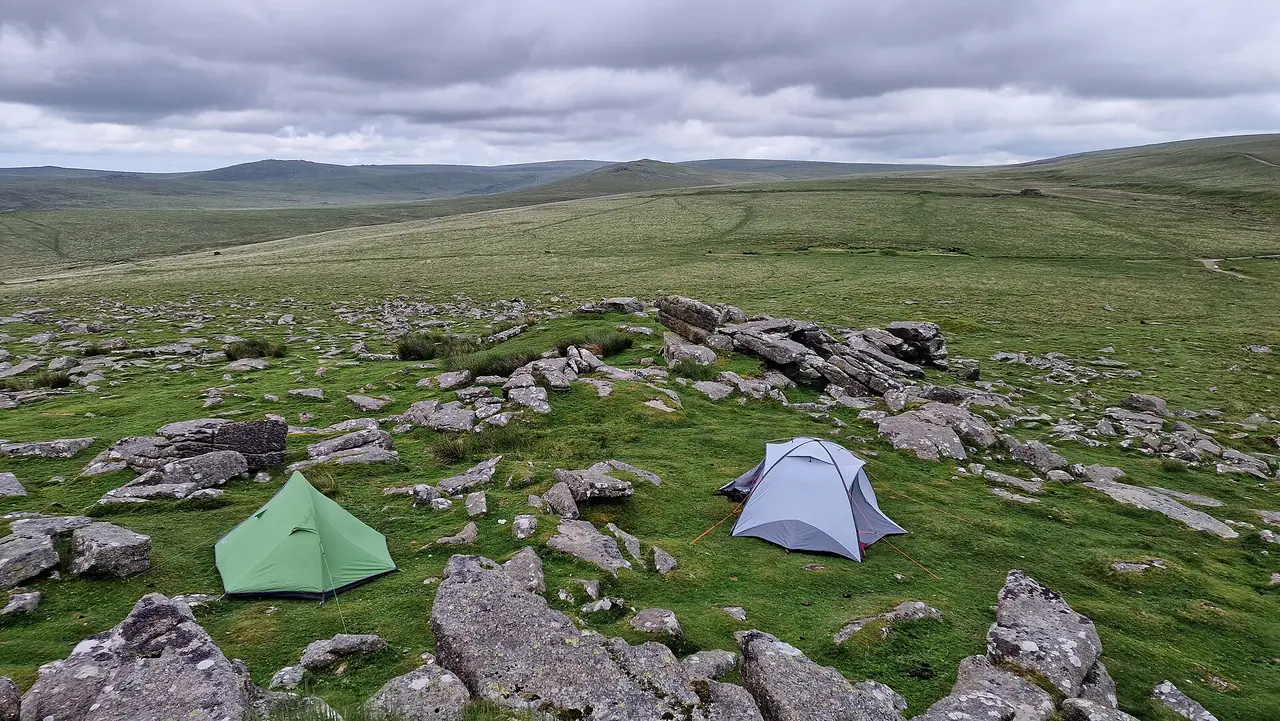
- Dartmoor: on 21 May 2025 the Supreme Court confirmed the public's right to pitch a tent on the Dartmoor Commons. Check the National Park's camping map for where you can pitch, and the military firing times before you go. Read about our wild camping trip on Dartmoor.
- The rest of England and Wales: you need the landowner's permission. In the Lake District, discreet one-night camping high on the fells is tolerated if you follow the code. My guide to wild camping in the Lake District explains the details.
Wherever you camp, the golden rules are the same. Arrive late, leave early, keep your group small, don't light fires and take everything home with you. In the Brecon Beacons we were the first campers to leave in the morning, and of course we carried out all our rubbish. When you leave, nobody should be able to tell you were there.
A quick checklist for your next trip
- Check the local rules, the forecast and any closures.
- Pack bags for rubbish and dog poo.
- Bring a stove instead of planning a fire.
- Bring a lead, even if your dog is very well behaved.
- Park only in proper spaces, and have a plan B if the car park is full.
- Leave every gate as you found it.
- Take the train or bus if you can.
FAQ
Is the Countryside Code the law?
The Code itself is guidance, but parts of it describe the law. For example, dropping litter is a criminal offence, and on open access land dogs must be on a lead from 1 March to 31 July.
Does the Countryside Code apply in Scotland?
No. It covers England and Wales. Scotland has the Scottish Outdoor Access Code, and Northern Ireland has its own guidance.
Do I have to keep my dog on a lead in the countryside?
Not everywhere, but your dog must always be under control and in sight. On open access land a lead is required from 1 March to 31 July and around livestock. Always follow local signs.
Can I have a BBQ in the countryside?
Only where signs say BBQs are allowed. Otherwise use a camping stove, and never leave a fire or hot ash behind.
What are the 7 principles of Leave No Trace?
In Leave No Trace Ireland's 2024 version: plan ahead and prepare, be considerate of others, respect farm animals and wildlife, travel and camp responsibly, leave what you find, dispose of waste properly, and protect nature from fire.
Did you find this useful? Save it for later or share it with a friend who loves the outdoors. And what is your biggest countryside pet peeve? Let me know in the comments!
Photo credits (4)
All photos on this page are by other photographers and are used under free licences. Thank you for sharing them.
- Cover photo: Footpath gate and fingerpost at Nuthurst, West Sussex.jpg by Acabashi, CC BY-SA 4.0, via Wikimedia Commons. Resized and cropped for this page.
- Photo 2: Henley-on-Thames 072 Sheep grazing (8085989190).jpg by Peter O'Connor aka anemoneprojectors, CC BY-SA 2.0, via Wikimedia Commons. Resized for this page.
- Photo 3: Access Land sign, near Averhill Side - geograph.org.uk - 2352928.jpg by Peter Barr, CC BY-SA 2.0, via Wikimedia Commons. Resized for this page.
- Photo 4: Wild camping on Dartmoor.jpg by Kernow Skies, CC BY-SA 3.0, via Wikimedia Commons. Resized for this page.


join the conversation
Comments
No comments yet. Be the first to share your thoughts!