Travel guide
Wild Camping in the Lake District: Is It Legal, the Rules, and the Best Wild Camping Spots

Can you wild camp in the Lake District? Here is what the law and the National Park really say, the code to follow, seven classic tarn pitches and our own tips from Angle Tarn.
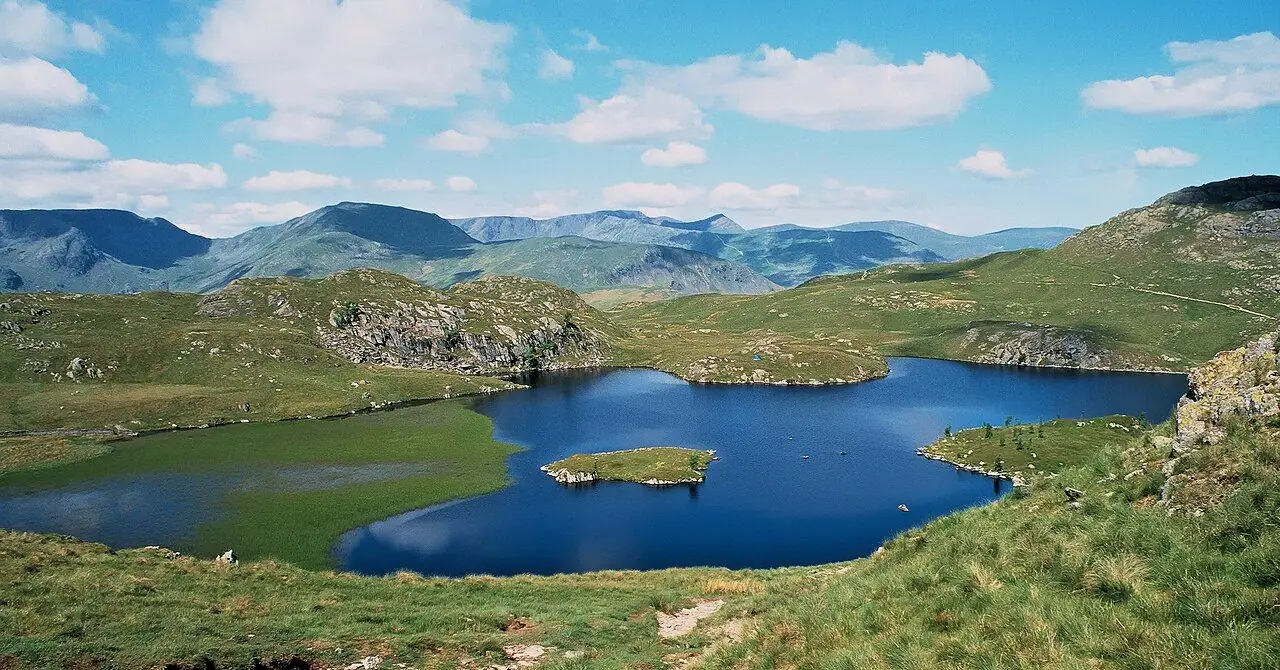
Can you wild camp in the Lake District? And is it legal? Strictly speaking, wild camping in the Lake District is not a legal right. You need the landowner's permission, and the Lake District National Park Authority says this clearly. However, discreet, one-night camping high on the open fells has long been tolerated. That means above the highest fell wall, well away from roads, villages and lake shores. Both the National Park and the National Trust publish a code for doing it responsibly. Lakeshore "fly camping" is a different story, and councils are now fining people for it.
We have wild camped at Angle Tarn above Patterdale ourselves, so I have added our own tips too. In this guide I explain where the line is, the code to follow, seven classic tarn pitches with honest notes, and kit and safety tips.
Quick answer
- Is it legal? There is no right to wild camp in England outside Dartmoor. Camping without permission is trespass, a civil matter rather than a crime, and landowners can ask you to leave.
- Is it tolerated? Yes, on the high fells, if you follow the code: above the highest fell wall (roughly 400 m), one night, pitch late, leave early, one or two small tents, no trace.
- Not tolerated: valleys, lake shores, car parks, verges and laybys. Several lakeshore hotspots now have on-the-spot fines.
- Never: fires or barbecues, including disposable ones.
- Popular spots: Angle Tarn (Patterdale), Sprinkling Tarn, Innominate Tarn on Haystacks, Blea Water, Red Tarn, Easedale Tarn and Scoat Tarn.
- Alternatives: the National Trust's "wild" campsites at Great Langdale, Wasdale, Eskdale and Low Wray, or a Mountain Bothies Association bothy.
Is wild camping legal in the Lake District?
The law in England
England's "right to roam" comes from the Countryside and Rights of Way Act 2000 (CROW). It opens up mountain, moor and heath on foot. However, Schedule 2 of the Act specifically excludes camping and lighting fires. Without the landowner's consent, camping is trespass. That is a civil wrong, not a criminal offence, but the landowner can ask you to move on, and you should.
What the Lake District National Park Authority says
The National Park Authority's guidance says that wild camping is technically not permitted anywhere in the Lake District without the landowner's permission first. It can't give permission on private land, and it does not allow camping on the little land it owns. Camping in car parks or on roadside verges is never allowed.
The same page then explains when camping on the high fells is generally accepted. The National Trust is one of the biggest landowners in the Lakes, and its advice is very similar: one night above the highest fell wall, out of sight, with no trace left behind. Valleys, lake shores and lowland areas are for official campsites only.
The tolerated high-fell practice (and why fly camping is different)
The tolerance depends completely on how people behave. "Fly camping" means pitching beside a lake or road, often with fires, alcohol and abandoned gear. It has become a serious problem. We have come across campers like this on our hiking trips, and it really annoys us. Unfortunately, the response has got stricter:
- Cumberland Council introduced a Public Spaces Protection Order (PSPO) in late 2024. In 2025 it issued £100 fixed penalties at Lanthwaite and Rannerdale, near Crummock Water.
- Westmorland and Furness Council has PSPOs at Blea Tarn (Langdale), Coniston's east shore and Windermere's west shore. Fixed penalties go up to £100. Anyone who doesn't pay can be prosecuted, with court fines of up to £1,000. In early 2026 it consulted on adding nine more places, including Brotherswater, Haweswater and south Ullswater.
- At Thirlmere and Haweswater, patrols moved on more than 106 fly campsites in 2025, and around half of them had a fire.
Check the latest on the National Park and council websites before you go. Here is a simple test: if you can see your car, a road or the lake shore from your tent, you are not wild camping.
What about the Dartmoor ruling?
In May 2025 the Supreme Court ruled in Darwall v Dartmoor National Park Authority [2025] UKSC 20. It confirmed that the public right of access to the Dartmoor commons includes backpack camping. That right comes from a specific law, the Dartmoor Commons Act 1985. It does not apply to the Lake District or anywhere else in England. Dartmoor is still the only place in England with a recognised right to wild camp. If you want the law fully on your side, read our guide to wild camping in Dartmoor National Park.
The Lake District wild camping code
These points combine the National Park Authority and National Trust guidance:
- Go high. Pitch above the highest fell wall, roughly 400 m (1,200 ft). Stay well away from houses, farms, roads and lake shores.
- Arrive late, leave early. Pitch in the evening, pack up first thing, and stay one night only.
- Keep it small. The Park suggests no more than one or two tents. The National Trust says that if two tents are already at a spot, move on.
- Blend in. A small tent in a muted colour gets much less attention than a bright tunnel tent.
- Don't change the site. Choose a naturally dry patch. Don't dig drainage ditches, move boulders or build stone shelters.
- No fires, no barbecues. This includes old fire rings you might find. Peat soils can smoulder underground, and fell fires spread fast. Cook on a stove.
- Toilet hygiene. Go at least 30 m from water and bury poo in a small hole dug with a trowel. Pack out toilet paper and all sanitary items, because animals dig them up. Lots of campers now carry a poo bag or pot instead.
- Water. Collect water upstream of where people camp and filter, purify or boil it, as sheep graze almost everywhere. Wash up away from the tarn, with no soap in the water.
- Pack it all out. Take all your rubbish home, food scraps too, plus any you find.
- Be considerate. Keep the noise down, keep dogs under control around sheep and ground-nesting birds, and leave no sign you were there.
Lake District wild camping spots: seven classic tarns
Walking guides and magazines recommend all of these spots, which is why several get busy on summer weekends. If there are already tents there, move on to a quieter patch of fell. Distances are approximate.
| Spot | Start | Approx. walk in | Tarn height | Busyness | Best for |
|---|---|---|---|---|---|
| Angle Tarn (Patterdale) | Patterdale, A592 | 3.5 km, ~390 m ascent | 479 m | Very busy in summer | First wild camp |
| Sprinkling Tarn | Seathwaite, Borrowdale | ~4.5 km via Styhead | ~600 m | Busy | Big-mountain scenery |
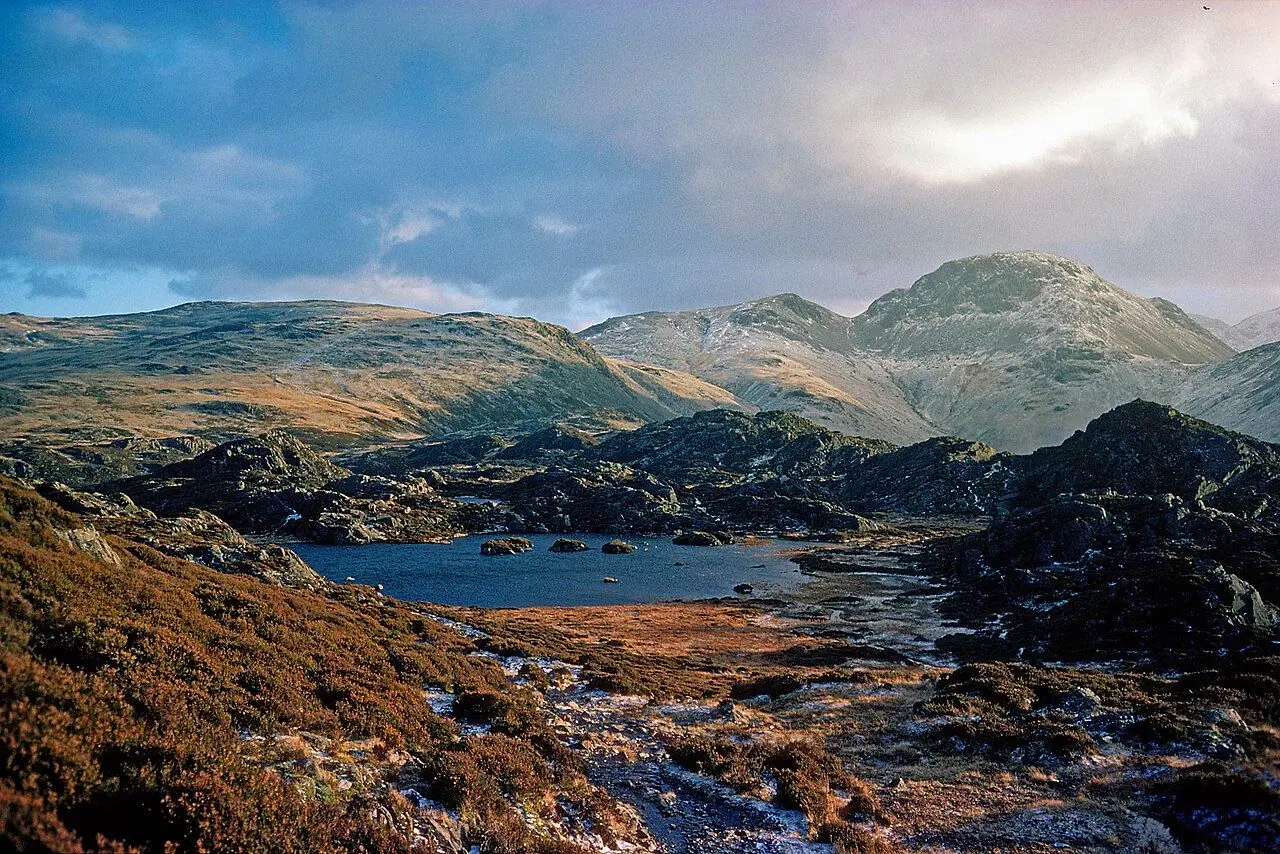
| Innominate Tarn (Haystacks) | Gatesgarth or Honister | ~3.5 km (7 km loop) | 520 m | Busy | Views and Wainwright history |
| Blea Water | Mardale Head, Haweswater | ~2 km (4 km loop) | ~470 m | Moderate | A dramatic corrie, short walk |
| Red Tarn (Helvellyn) | Glenridding | ~5 km | 718 m | Busy with day walkers | Sunrise on Helvellyn |
| Easedale Tarn | Grasmere | ~2 miles | ~280 m | Very busy by day | Easy access, gentle path |
| Scoat Tarn | Netherbeck Bridge, Wasdale | Long climb, ~500 m ascent | ~600 m | Quiet | Solitude |
Angle Tarn, Patterdale
This hook-shaped tarn sits at 479 m on Angletarn Pikes above Patterdale, with two small islands and a little peninsula. It is probably the best-known beginner wild camp in the Lakes. From Patterdale, climb to Boredale Hause and follow the path south. It is around 3.5 km each way with about 390 m of ascent. Allow 1.5–2 hours with a full pack. With our heavy packs and camera gear, the climb to Boredale Hause felt quite tough, but the views back to Ullswater made up for it.
Parking: roadside parking in Patterdale is very limited, but the Stagecoach 508 bus from Penrith serves the village. Honest note: on fine summer weekends it can feel like a campsite, so go midweek or out of season. We went on a rainy Friday night in May and only saw one other tent, on the other side of the tarn. Read all about it here: Angle Tarn wild camping adventure in the Lake District.
Sprinkling Tarn, Borrowdale
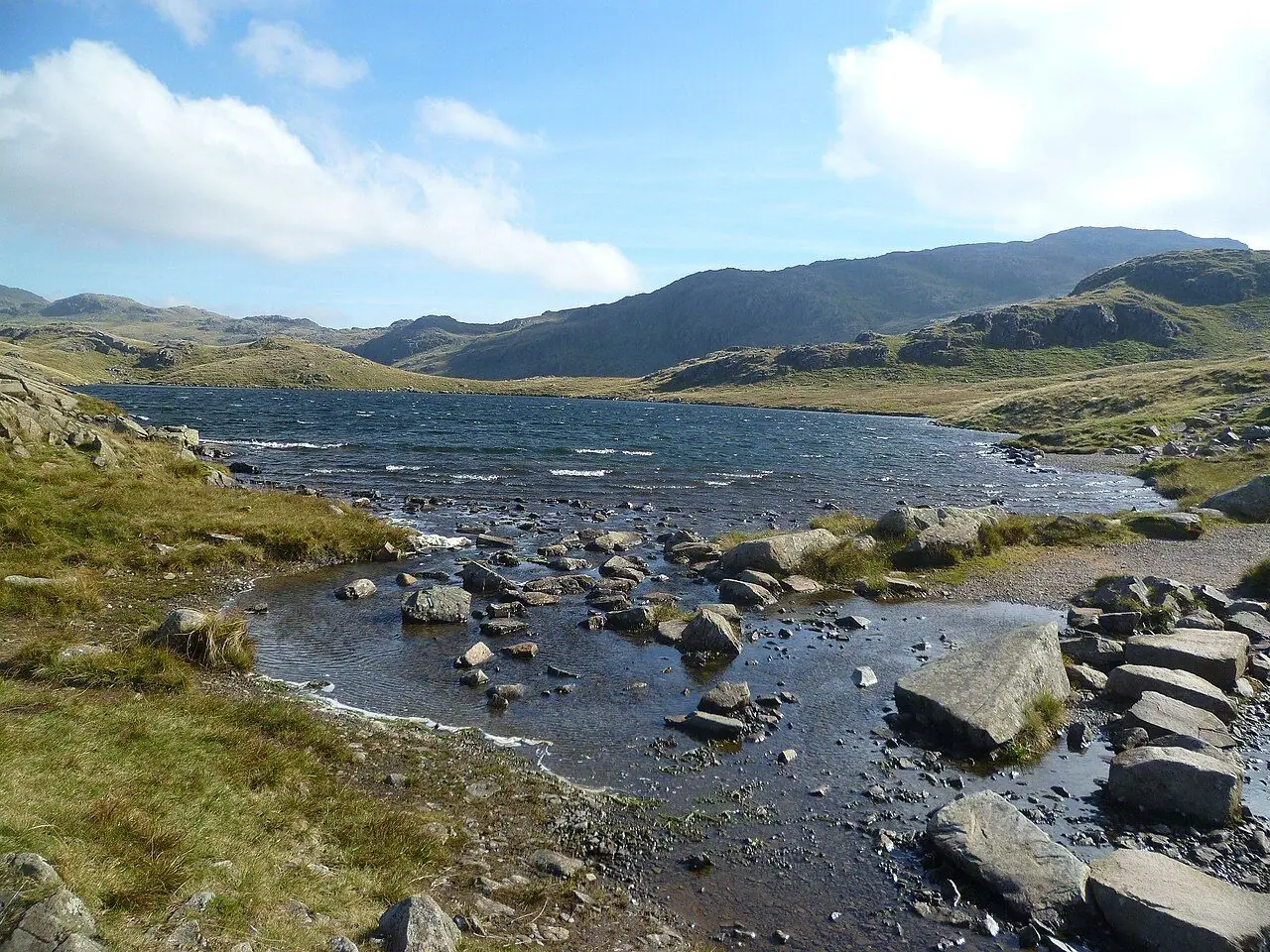
Sprinkling Tarn lies at about 600 m below the crags of Great End, with Great Gable on the skyline. It is often called one of the best wild camps in England. From Seathwaite farm at the head of Borrowdale, follow the valley path to Stockley Bridge. Then climb beside Styhead Gill past Styhead Tarn, and turn left up to Sprinkling Tarn. The classic day loop back down Grains Gill is about 9 km with 485 m of ascent. The 78 Borrowdale bus from Keswick runs to Seatoller, a short walk from Seathwaite. Honest note: the busy Styhead–Esk Hause path clips the south-west corner of the tarn, so walk round the shore for a quieter pitch. Fun fact: it is said to be the wettest place in England! So bring a tent you trust in the rain.
Innominate Tarn, Haystacks
This small, rocky tarn sits at 520 m near the summit of Haystacks. Alfred Wainwright asked for his ashes to be scattered here. One route starts at Gatesgarth at the south-east end of Buttermere. Climb past the Warnscale waterfalls, then pass Blackbeck Tarn to reach the summit plateau. The full loop back via Scarth Gap is about 7 km with around 560 m of ascent. You can also start from the top of Honister Pass. The 77/77A Honister Rambler bus from Keswick serves both (check the timetable). Honest note: the pitches are small and bumpy, and lots of day walkers come here as a pilgrimage. So please be extra tidy.
Blea Water, Haweswater
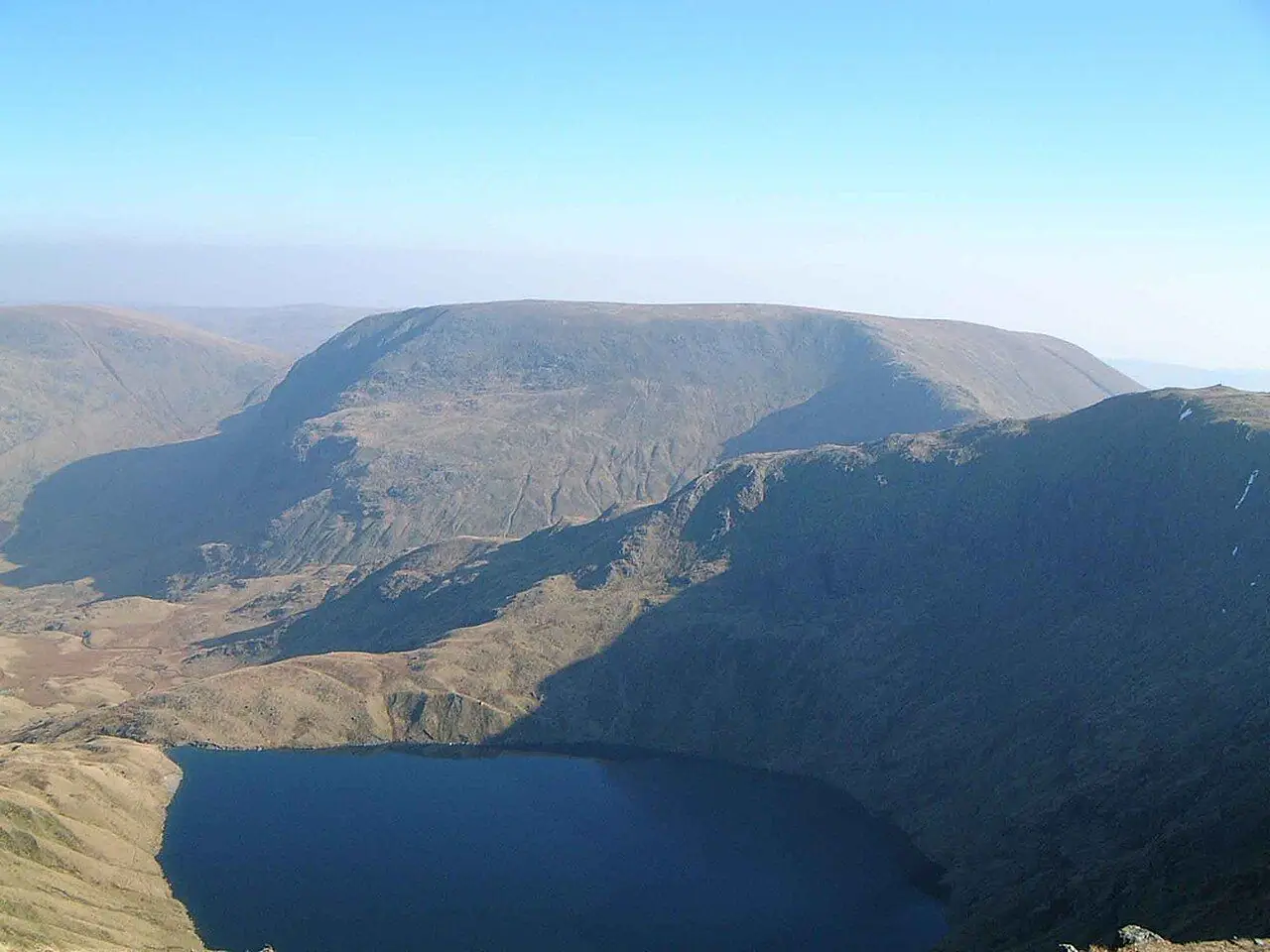
Blea Water is the deepest tarn in the Lake District, at around 63 m. It fills a steep corrie below High Street at about 470 m and is protected as a Site of Special Scientific Interest. From the small road-end car park at Mardale Head, a loop taking in the tarn is just over 4 km. So it is a short but steep walk in. Honest note: the Haweswater shoreline is a known fly-camping hotspot, with security patrols and a proposed PSPO. Don't camp anywhere near the reservoir or the car park. Go right up into the corrie, keep off the fragile plants, and keep pitches small.
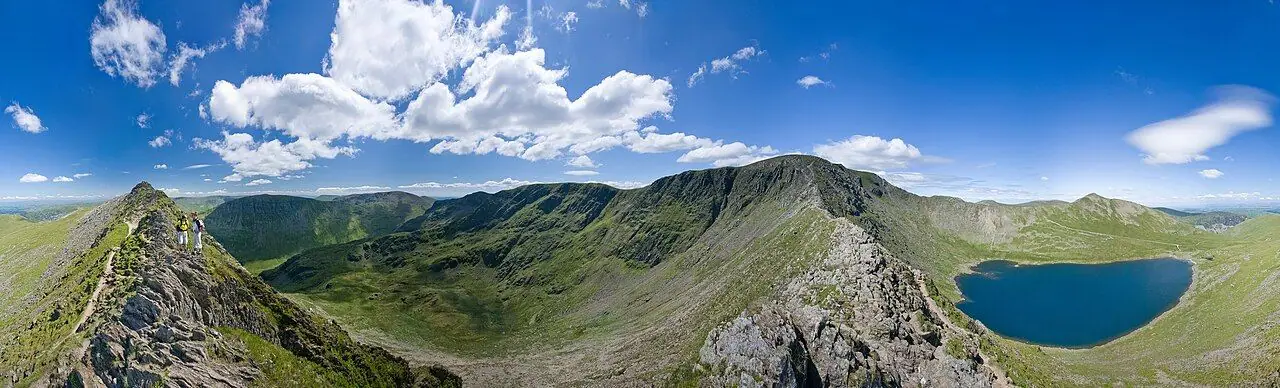
Red Tarn, Helvellyn
Red Tarn sits at 718 m between Striding Edge and Swirral Edge on the eastern side of Helvellyn. It is one of the highest and most dramatic camps in the Lakes. From Glenridding, follow the bridleway towards Helvellyn, then go up beside the intake wall and Red Tarn Beck. It is roughly 5 km. The 508 bus from Penrith serves Glenridding. Honest note: it is rocky, windy and busy from dawn with Striding Edge walkers. The tarn is also one of the few homes of the endangered schelly fish, so don't wash anything in it. Avoid both edges with a heavy pack in wind, rain or cloud.
Easedale Tarn, Grasmere
This is a large tarn in a glacial hollow about two miles west of Grasmere. The well-made path climbs beside the white waterfalls of Sour Milk Gill. It is easy to reach, as the 555 bus stops in Grasmere, so it is popular with first-timers. Honest note: at around 280 m it is lower than the rough 400 m fell-wall guide, and it is one of the busiest day walks in the area. Pitch discreetly well above the main path at dusk, and leave early. Or choose somewhere higher on a busy weekend.
Scoat Tarn, Wasdale
Wainwright called this "the grandest of the western tarns". Scoat Tarn lies at roughly 600 m between Scoat Fell and Red Pike, in a wild hanging valley above Wast Water. From Netherbeck Bridge on the Wasdale road, follow the path up Nether Beck. It is clearer on the ground than the right of way on the map. At the head of the valley, cross the becks and climb to the tarn, a steady ascent of about 500 m. Honest note: you get peace and quiet as a reward. However, the path is rough and boggy in places, Wasdale has very little public transport, and you will need good navigation skills in cloud.
Wild camping kit list
You don't need the latest ultralight gear, but you do need kit that works in wind and heavy rain. For a full printable list, see our wild camping equipment checklist. The essentials:
- Shelter: a small, sturdy tent in a muted colour, with enough pegs and guylines for strong wind
- Sleep: a warm sleeping bag (nights on the fell tops are cold even in summer) and an insulated mat
- Kitchen: gas stove, fuel, lighter, pot and simple rehydratable food
- Water: filter or purification tablets, plus bottles for 1–2 litres
- Toilet kit: trowel, toilet paper and sealable bags (or a poo pot)
- Navigation: OS Explorer map (OL4, OL5, OL6 or OL7 depending on the area), compass and offline maps on your phone
- Clothing: full waterproofs, a warm insulated layer, hat, gloves and spare socks. I tend to get cold, so I always pack an extra layer!
- Safety: head torch, first-aid kit, power bank, bivvy bag and whistle. Many tarns have no phone signal, so a satellite messenger is worth considering.
- Rubbish bags for everything you carry in
If you are new to carrying a full pack, test your legs and your kit first on a gentle fell day like the Catbells and Derwentwater circular.
Weather and safety
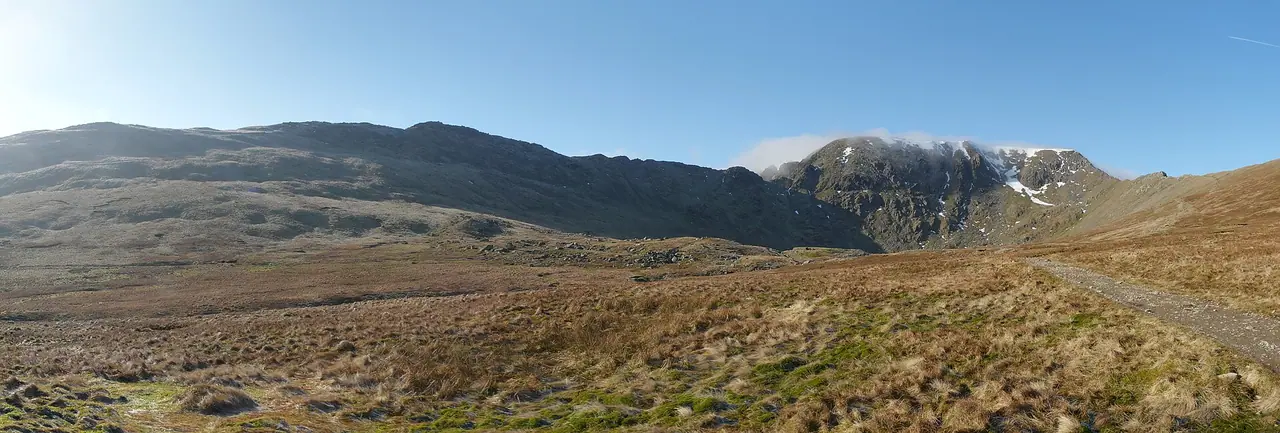
- Check a mountain forecast, not a town one. Use the Met Office mountain forecast or the Mountain Weather Information Service (MWIS). From December to April, the National Park's Fell Top Assessors post daily Weatherline reports from the summit of Helvellyn.
- Wind is the camp-killer. Corrie tarns can funnel gusts. If strong winds are forecast, pick a sheltered, lower spot or postpone.
- Rain and rivers. Becks rise fast after heavy rain. Don't pitch in hollows or right beside water. When we camped at Angle Tarn in the rain, the ground was quite boggy, so we looked for a spot that was less likely to flood.
- Tell someone your plan: route, pitch and return time.
- In an emergency, call 999 or 112, ask for the Police, then Mountain Rescue. Before you go, register your phone for the free emergency SMS service (text "register" to 999 and follow the reply). Then you can text 999 when the signal is too weak for a call.
- Ticks live in bracken and long grass. Check yourself every morning and remove any ticks quickly.
Alternatives to wild camping in the Lakes
"Wild" and backpacker-friendly campsites
If the weather looks bad or you are new to this, a basic campsite gives you the mountain setting plus toilets and water. The National Trust runs four campsites it calls "wild": Great Langdale, Wasdale, Eskdale and Low Wray on Windermere. Many valleys also have small farm campsites. Great Langdale is a good base for short walks like the Whorneyside Force waterfall walk.
Bothies
The Mountain Bothies Association (MBA) looks after a few simple, unlocked shelters here. There is no booking and no charge. Dubs Hut is above Honister, Mosedale Cottage is in the far eastern fells, and Great Lingy Hut is a tiny cabin in the Northern Fells that sleeps three or four. Tiny Warnscale Head below Haystacks isn't suitable for overnight stays. The MBA's Bothy Code asks groups of six or more not to use bothies, keeps stays short, and asks you to carry out all rubbish. Space is first come, first served, so always carry a tent.
FAQ
Can you wild camp in the Lake District?
Not as a right. Legally you need the landowner's permission. However, the National Park Authority and the National Trust accept discreet, one-night camping above the highest fell wall, as long as you follow the code: arrive late, leave early, keep groups tiny, light no fires and leave no trace.
Is wild camping in the Lake District illegal?
Camping without permission is trespass, which is a civil matter rather than a crime in itself. But fly camping, fires and anti-social behaviour at lakeshore hotspots covered by Public Spaces Protection Orders can bring fixed penalties of up to £100. Unpaid fines can lead to prosecution.
Does the Dartmoor Supreme Court ruling apply to the Lake District?
No. The May 2025 ruling is based on the Dartmoor Commons Act 1985, which only covers Dartmoor's commons.
What are the best wild camping spots in the Lake District?
Commonly recommended pitches include Angle Tarn, Sprinkling Tarn, Innominate Tarn, Blea Water, Red Tarn, Easedale Tarn and Scoat Tarn. Most are busy in summer, so go midweek or have a backup spot in mind.
How high do you need to be to wild camp in the Lake District?
Above the highest fell wall, which is the last stone wall between farmland and open fell. The National Trust's rule of thumb is roughly 400 m (1,200 ft). Being out of sight of roads, houses and lake shores matters just as much.
Can I have a campfire or BBQ when wild camping in the Lakes?
No. Both the National Park and the National Trust ask for no fires or barbecues of any kind, including disposable BBQs. Use a camping stove on a stable, non-flammable surface.
Have you wild camped in the Lake District? Which tarn is your favourite? Let me know in the comments!
Photo credits (5)
All photos on this page are by other photographers and are used under free licences. Thank you for sharing them.
- Cover photo: Angle Tarn Patterdale.jpg by Kreuzschnabel, CC BY-SA 3.0, via Wikimedia Commons. Resized and cropped for this page.
- Photo 2: Innominate Tarn by Haystacks - geograph.org.uk - 7418587.jpg by Julian Paren, CC BY-SA 2.0, via Wikimedia Commons. Resized for this page.
- Photo 3: Harter Fell and Blea Water from High Street.jpg by Personal Photograph taken by Mick Knapton at en.wikipedia, CC BY-SA 3.0, via Wikimedia Commons. Resized for this page.
- Photo 4: Sprinkling Tarn - geograph.org.uk - 3689014.jpg by Michael Graham, CC BY-SA 2.0, via Wikimedia Commons. Resized for this page.
- Photo 5: Helvellyn Striding Edge 360 Panorama, Lake District - June 09.jpg by Diliff, CC BY-SA 3.0, via Wikimedia Commons. Resized for this page.


join the conversation
Comments
No comments yet. Be the first to share your thoughts!