Travel guide
Wild Swimming in the UK: A Beginner's Guide to Safe Spots, Rules and Cold Water

Want to try wild swimming but not sure where to start? Here are the rules, cold water safety tips and beginner-friendly spots, from Hampstead Heath to the Lake District.
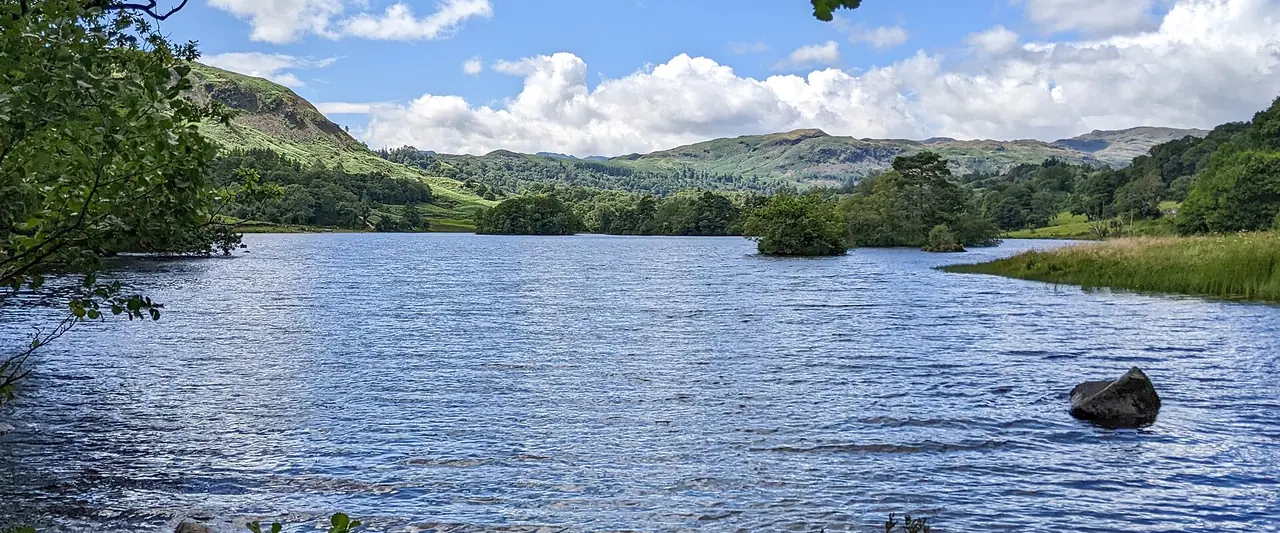
Have you ever walked past a clear lake or river pool on a hot day and wished you could jump in? Wild swimming is one of the simplest ways to enjoy the outdoors. It is free, it feels amazing, and you don't need much kit. However, UK water is cold, even in summer. So a little preparation makes all the difference.
I first tried wild swimming in Austria and really enjoyed it. On our Scotland road trip I swam in the pool at Plodda Falls, which was great fun. On another hot day, hiking the Carneddau in Eryri, we were tempted by the reservoir of Ffynnon Llugwy. But we had no swimming costumes, so we only had a short paddle. I'm still a cautious swimmer. So I've researched the rules and safety advice carefully, and this is the guide I wish I'd had when I started.
Quick answer
- Start somewhere managed: a lifeguarded beach, or a supervised pond like the Hampstead Heath bathing ponds in London (from £5 for adults as of 2026).
- Respect cold water shock: it can happen in water below 15°C. Get in slowly and never dive into cold or unknown water.
- Never swim alone: take a friend, a bright swim cap and a tow float.
- Check the water: England's bathing season runs from 15 May to 30 September. Look up the water quality of designated bathing waters on GOV.UK before you go.
- Know the rules: Scotland has access rights to most inland water. In the Lake District you can swim in most lakes, but not in Ennerdale Water, Haweswater, Thirlmere or Kentmere reservoir.
Is wild swimming legal in the UK?
It depends on where you are.
Scotland
The Land Reform (Scotland) Act 2003 gives everyone access rights to most land and inland water, as long as they behave responsibly. The Scottish Outdoor Access Code explains what "responsibly" means. In short: respect other people, care for the environment and leave no trace. Keep away from water intakes and spillways, and give anglers space.
England and Wales
Scotland's access rights don't apply here. Many rivers and lakes are privately owned, and some ban swimming completely. So look for places where swimming is clearly allowed, and always follow the signs. Reservoirs are often off-limits, like the four reservoirs in the Lake District listed below. They are deep and cold, and they have water intakes and spillways that you must keep well away from.
The Lake District
The Lake District National Park says you can swim in most lakes, tarns and rivers. The exceptions are Ennerdale Water, Haweswater reservoir, Thirlmere reservoir and Kentmere reservoir, where swimming is not allowed.
- Quieter lakes: Bassenthwaite, Buttermere, Crummock Water, Grasmere, Loweswater, Rydal Water and Wastwater have few or no motorboats. These are the best choices for beginners.
- Busier lakes: Windermere, Ullswater, Coniston and Derwentwater all have motorboats and sailing boats. Swim along the shoreline, make yourself highly visible and use a support boat, like a kayak or paddleboard.
- Tarns: they are usually colder than the lakes, so they can be very cold even in summer.
Cold water shock and how to stay safe
This is the most important part of this guide, so please read it carefully! According to the Met Office, your body can react to sudden immersion in water below 15°C. UK seas, rivers and lakes can stay cold enough for this even on hot days. You gasp, your breathing speeds up and it is hard to stay calm. The first effects typically last for around 90 seconds.
The advice from the Met Office, the RNLI and RLSS UK is to Float to Live:
- Don't panic or thrash about. Lean back and float with your head above the water.
- Spread your arms and legs to help you stay afloat.
- Control your breathing until the shock passes.
- Then call for help, or grab something to hold on to.
- Only swim to safety once you have recovered.
More safety tips for beginners:
- Get in slowly: wade in and let your body get used to the cold. Don't jump or dive in.
- Never swim alone: go with someone, and tell someone else where you are going.
- Be seen: wear a bright swim cap and tow a bright float. It also gives you something to hold on to.
- Know your exit: before you get in, check the depth and where you will get out.
- Keep it short: if you are not used to cold water, a few minutes is plenty. Get out if you start shivering, feel weak or confused, or swallow water.
- Warm up slowly: dry off, put on warm layers and sip a hot drink. The Hampstead Heath guidelines warn against hot showers and hard exercise straight after a cold swim.
- No alcohol: don't swim after drinking alcohol.
- Talk to your GP first if you have a heart condition or other health worries.
If you see someone in trouble, don't go into the water yourself. Call 999 and, at the coast, ask for the Coastguard.
Water quality, algae and weather
In England, the Environment Agency tests designated bathing waters from 15 May to 30 September. There are 451 of them. In 2025, 66.1% of the bathing waters assessed were rated Excellent, and 7.1% were rated Poor. You can check your local bathing water on GOV.UK, and designated sites also have signs on the beach.
- After heavy rain: rivers rise, flow faster and can carry pollution. I suggest waiting a few days after a big storm before you swim in a river.
- Blue-green algae: if you see a green scum or think there is algae, don't swim. The Lake District National Park says it can be lethal for dogs too.
- Weather: check the forecast. Wind makes lakes choppy, and the weather in the hills can change quickly.
- Cuts: cover any cuts with a waterproof plaster, and wash your hands before you eat.
Safe wild swimming spots for beginners
Hampstead Heath bathing ponds, London
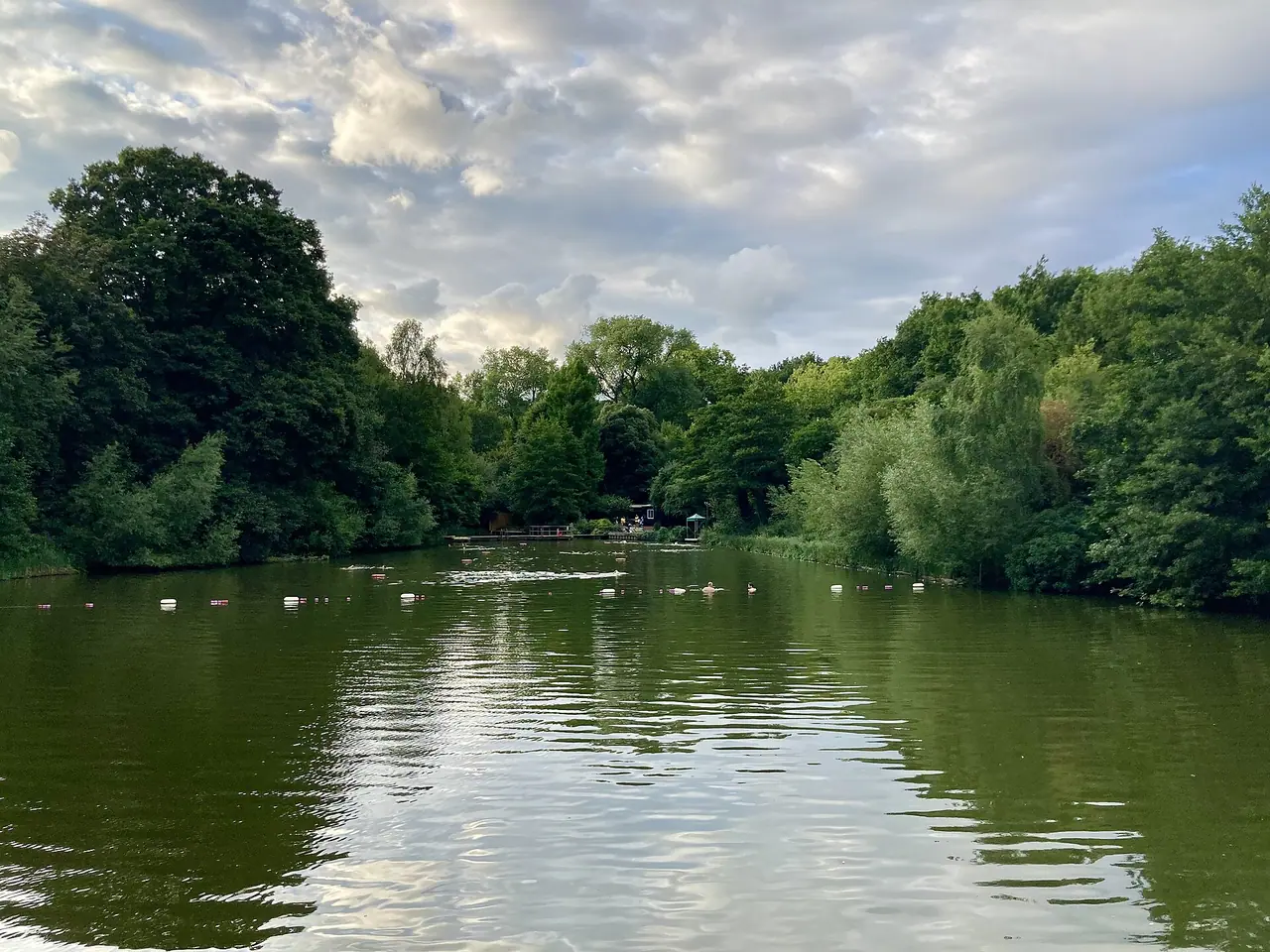
If you live in or near London, this is the perfect place to start. There are three natural bathing ponds: the Kenwood Ladies' Pond, the Highgate Men's Pond and the Hampstead Mixed Pond. The ponds have lifeguards. The mixed pond closes in winter, but the other two stay open. I've included them in my guide to nature walks in London too.
- Prices (valid to 31 March 2027): £5 for adults, £3 for concessions and under-16s.
- Booking: summer sessions (roughly late May to early September) must be booked. At other times you pay on entry.
- Payment: from 1 October 2026 it is card only.
- Children: under-16s must be with an adult.
The Lake District's quieter lakes
Buttermere, Crummock Water, Grasmere and Rydal Water have few or no motorboats, so they are lovely for a first lake swim. Remember they are deep and cold, so stay close to the shore.
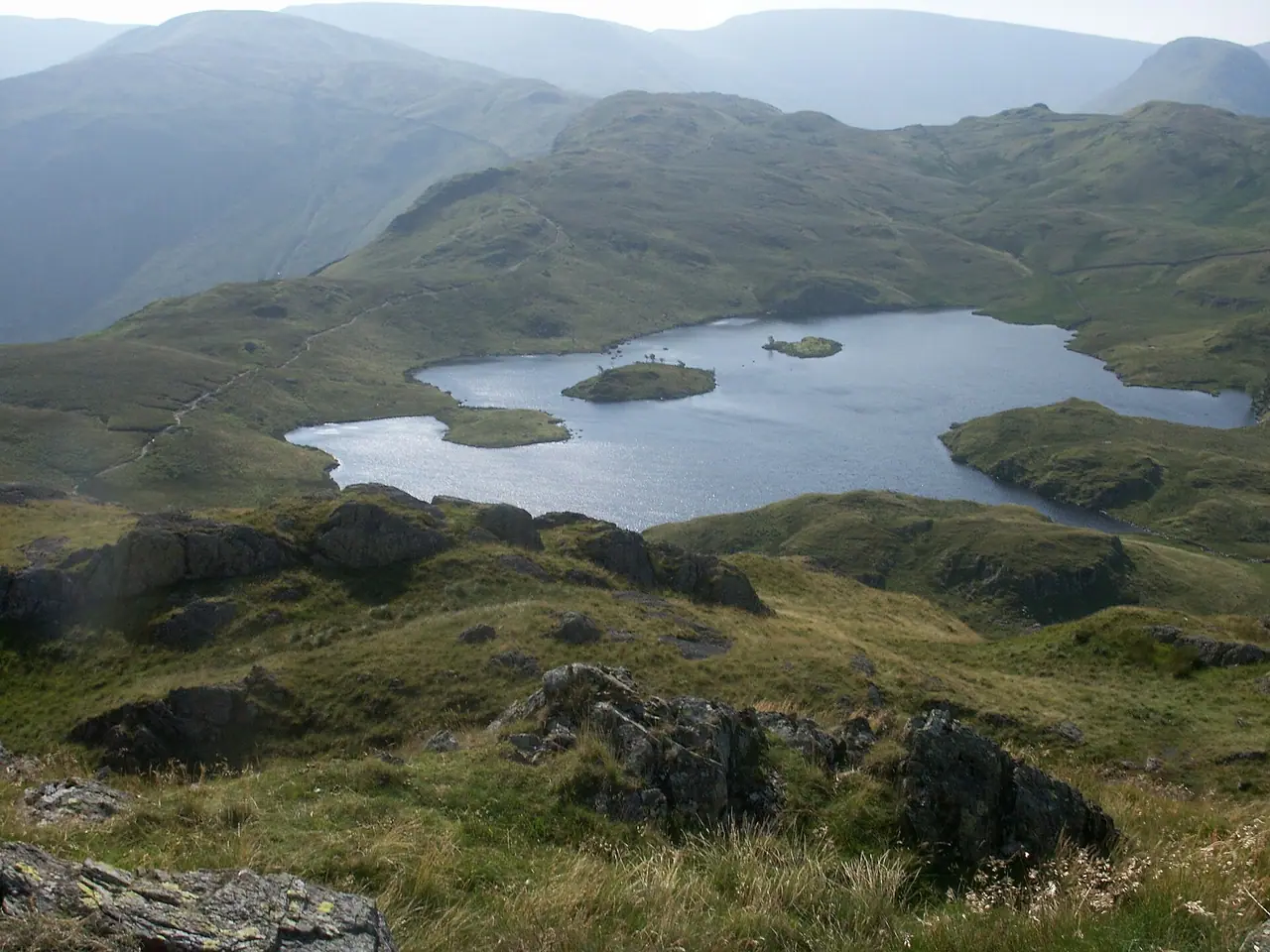
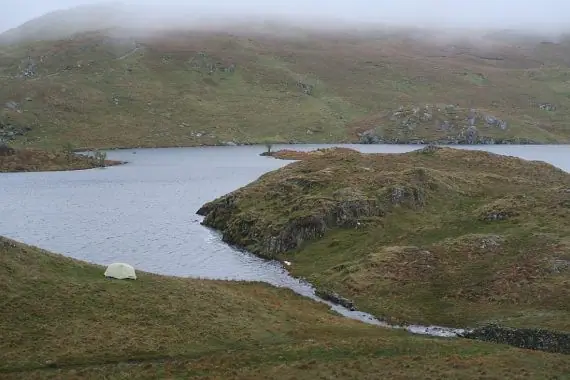
For a mountain swim, Angle Tarn above Patterdale is popular with hikers for a quick dip on a hot day. We wild camped there, and it is a gorgeous spot. It is up to 9 m deep in places, and as with all tarns, the water is colder than in the valley lakes. A tow float is a good idea. Read more in our Angle Tarn wild camping guide.
The New Forest
Near Hollands Wood campsite in Brockenhurst, the Lymington River is a popular spot on hot summer days. The river is very shallow there, so it is safe for children, and many families have a picnic on the bank. It is more of a paddle than a swim, which makes it a great first step for kids. You will find the details in my post about our New Forest cycling getaway.
Scotland: Plodda Falls
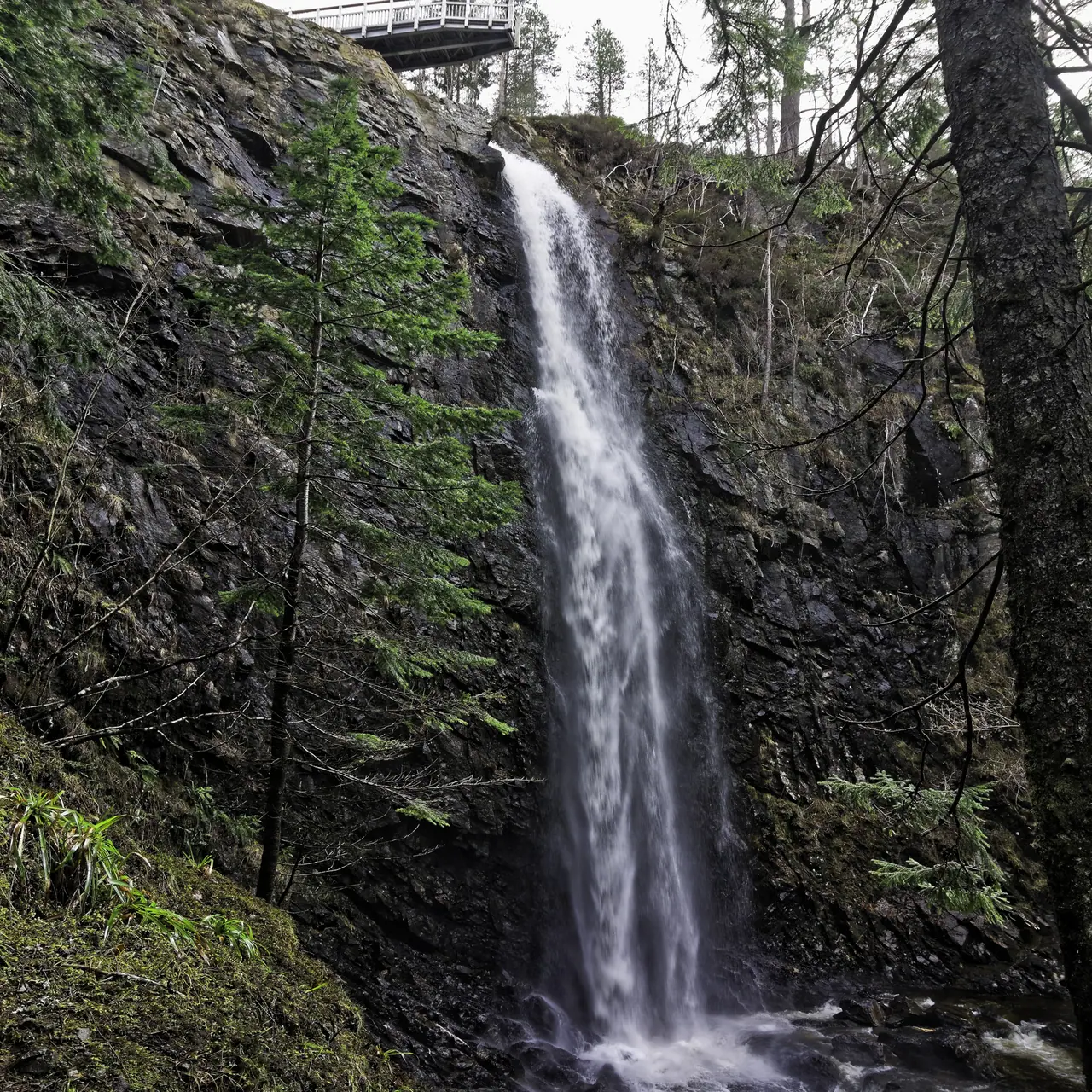
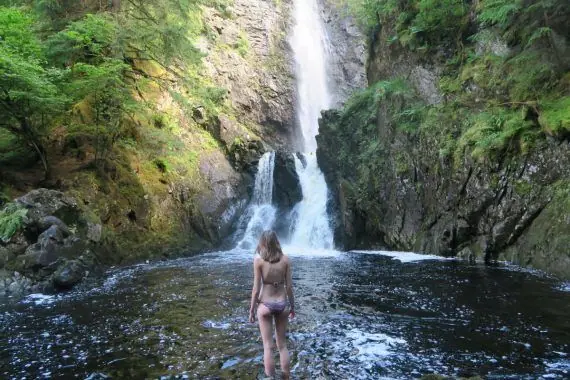
Plodda Falls near Glen Affric was one of the highlights of our Scotland road trip. I swam in the pool opposite the falls on a warm, sunny day, and the water was more pleasant than I expected. I'll be honest though. You can't see the bottom, which I found a bit intimidating, so I didn't stay in long. We had to cross the stream to reach the pool, and walking poles would have helped. The car park is about 10 minutes' walk away. Read more in my Scottish Highlands guide.
Lifeguarded beaches
The sea is a good place to start too, as long as you pick a lifeguarded beach. The Met Office advice is to swim between the red and yellow flags and to avoid inflatables at the coast. Check the tide times as well, as currents can be strong.
Waterfalls look tempting, but be careful. In my guide to the best waterfall hikes in the UK, I explain why you shouldn't swim in pools above or below big falls, especially after rain.
What to bring for wild swimming
- Swimsuit or wetsuit: a wetsuit keeps you warmer and helps you float.
- Bright swim cap and tow float: so boats and your friends can see you.
- Swim shoes: lake and river beds can be rocky, slippery or muddy.
- Warm layers and a hat: put them on straight after your swim.
- A flask with a hot drink: this is my favourite part!
- A towel or changing robe, and a bag for your wet kit.
- A phone in a waterproof pouch, so you can call for help.
Be a considerate wild swimmer
- Park considerately and never block gates or farm tracks.
- Change discreetly, and respect people's privacy.
- Avoid trampling riverbanks, and keep away from nesting birds in spring.
- Take all your litter home.
- Clean and dry your kit before you swim somewhere new, so you don't spread invasive species.
FAQ
What temperature is too cold for wild swimming?
Cold water shock can happen in water below 15°C, and UK water is often colder than that, even in summer. If you are a beginner, wait for the warmest months, wear a wetsuit and keep your swims short.
Is wild swimming legal in England?
England doesn't have Scotland's access rights. You can swim where the landowner allows it, so follow local signs. In the Lake District, swimming is allowed in most lakes, but not in Ennerdale Water, Haweswater, Thirlmere or Kentmere reservoir.
How do I know if the water is clean?
For designated bathing waters in England, check the water quality on GOV.UK. They are tested from 15 May to 30 September. Avoid swimming after heavy rain, and don't swim if you see blue-green algae.
Where is the best place to start wild swimming in London?
The Hampstead Heath bathing ponds are a great start. They have lifeguards, and a single swim costs £5 for adults or £3 for concessions and under-16s (valid to 31 March 2027).
Do I need a wetsuit for wild swimming?
You don't have to wear one, but a wetsuit keeps you warmer and helps you float. That gives you more time to get used to the cold, so I recommend one for beginners.
Have you tried wild swimming in the UK? Where was your first swim? Let me know in the comments!
Photo credits (4)
All photos on this page are by other photographers and are used under free licences. Thank you for sharing them.
- Cover photo: Rydal Water 2.jpg by The wub, CC BY-SA 4.0, via Wikimedia Commons. Resized and cropped for this page.
- Photo 2: Hampstead Heath mixed bathing pond.jpg by Realpaperforest, CC BY-SA 4.0, via Wikimedia Commons. Resized for this page.
- Photo 3: Angle Tarn.JPG by Bobble Hat, CC BY-SA 3.0, via Wikimedia Commons. Resized for this page.
- Photo 4: Plodda Falls - geograph.org.uk - 4411326.jpg by Peter Moore, CC BY-SA 2.0, via Wikimedia Commons. Resized for this page.


join the conversation
Comments
No comments yet. Be the first to share your thoughts!