
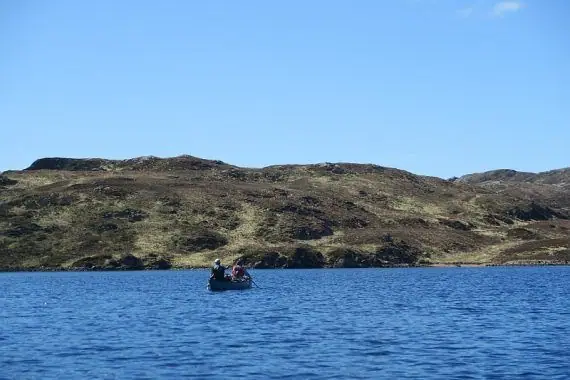
There are countless opportunities for kayak and canoe trips in the UK, as there are so many different types of water: lakes, canals, rivers, sea. Each provides a different experience and scenery along the way. Paddling can be a fantastic activity for all ages. It requires a bit more planning and equipment than hiking, but the extra effort is so worth it when you are enjoying your canoe adventure.
We got into paddling a few years ago. First we just did day trips and as we grew our confidence we started to embark on longer canoe camping and kayaking holidays.
In this post, I collected some of the UK’s most interesting kayak and canoe holiday destinations. Most of them are suitable for complete beginners and others will require a bit of previous experience.
This post may contain affiliate links. If you make a purchase through one of these links, I may receive a small commission at no extra cost to you.
Canoe or Kayak?
Canoe vs Kayak? Which one to choose? What’s the difference? They are both waterborne vessels, but actually, they are quite different.
Canoe definition: Usually an open on top boat with a seated or kneeling rowing position for one or more paddlers. A single-bladed paddle is used. Canoe boats are generally heavier than a kayak.
Kayak definition: Typically a closed deck boat, which has a seated position with legs stretched out. A double-bladed paddle is used.
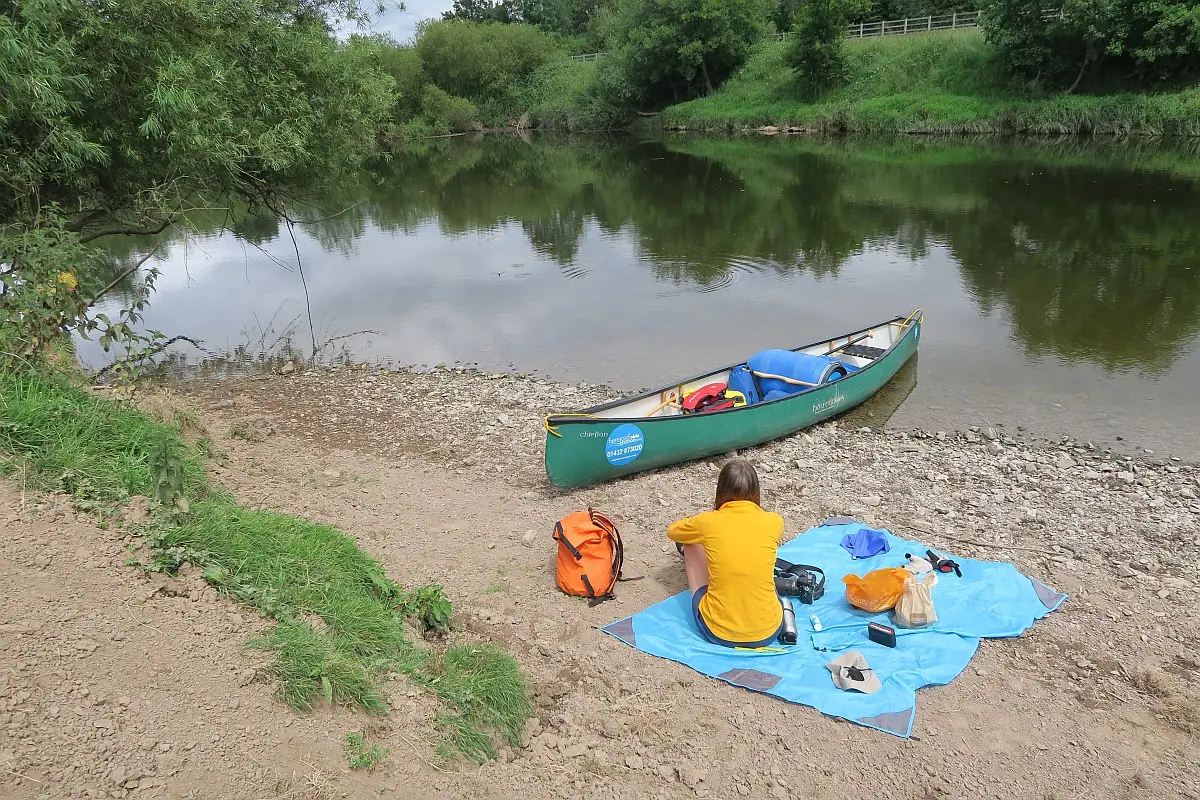
We enjoy paddling in both, but perhaps have a preference for a canoe. It allows us to carry more equipment and they are generally more stable and harder to capsize. This means when the conditions are right, we can use our DSLR camera for wildlife photography without the worry of it getting wet. We also enjoy the seating position of a canoe more. It is not as close to the water as a kayak, and it is easier to stretch the legs.
The advantage of a kayak is that they are faster and lighter weight. They are more suitable for the sea and ocean than a canoe.
How to get Started
Kayaking and canoeing holidays in the UK are becoming more popular and this means there are plenty of opportunities for you to get started without spending a fortune on all the canoe equipment. Before you decide to splash out and buy a canoe, I suggest you either find a canoe hire place, join a local canoe club or go on a guided canoe trip. This will allow you to see if this type of holiday is really for you and what type of canoe you might want to buy for your future adventures. A blow-up canoe is more affordable but has many limitations and it is not recommended for canoe camping. If you want to gain more confidence on the water then a canoe course might be a good idea. Many companies offer them for different levels. Just be aware of the Paddlers’ Access Code. It focuses on the responsibility for your actions to others, yourself and the environment.
Book suggestions
These books are great for learning the basics, but they should not act as a substitute for proper coaching and training.
Canoe and Kayak Handbook
This book helped us to learn more about some essential safety elements, skills and techniques required for paddling.
Sea Kayak Navigation
An important read if you want to paddle at sea. Particularly useful for anyone new to nautical navigation. Full of useful knowledge and practical exercises.
Canoe licence
Scotland
Just like wild camping the “right to roam” principle applies to the waterways as well. So in most cases, you don’t need any special licence to paddle in Scotland.
England and Wales
The situation is a bit more complicated in England and Wales. If you’re paddling on the sea, estuaries or tidal water you will not require a waterways licence. Most lakes and reservoirs don’t require a waterways licence either, though they may require a day permit.
However, on most rivers and canals it is compulsory t hold an appropriate waterways licence to paddle. This goes for canoes, paddleboards and kayaks (even for inflatable kayaks).
If you are on a guided tour or rent a canoe, then those normally include any licence fees. But if you have your own watercraft, then it is your responsibility to have the appropriate licence for it. Your best bet is to join the British Canoe Union (BCU) or Canoe Wales (CW). Your membership will give you a licence to paddle over 4,500km of river navigations and canals. This is the most affordable way to get licences for UK’s waterways, but there are still some UK rivers not covered in the license of the BCU or CW, so do check before your trip. Kayaking without a licence can result in a fine.
10 UK Canoe trips for your bucket list
River Wye
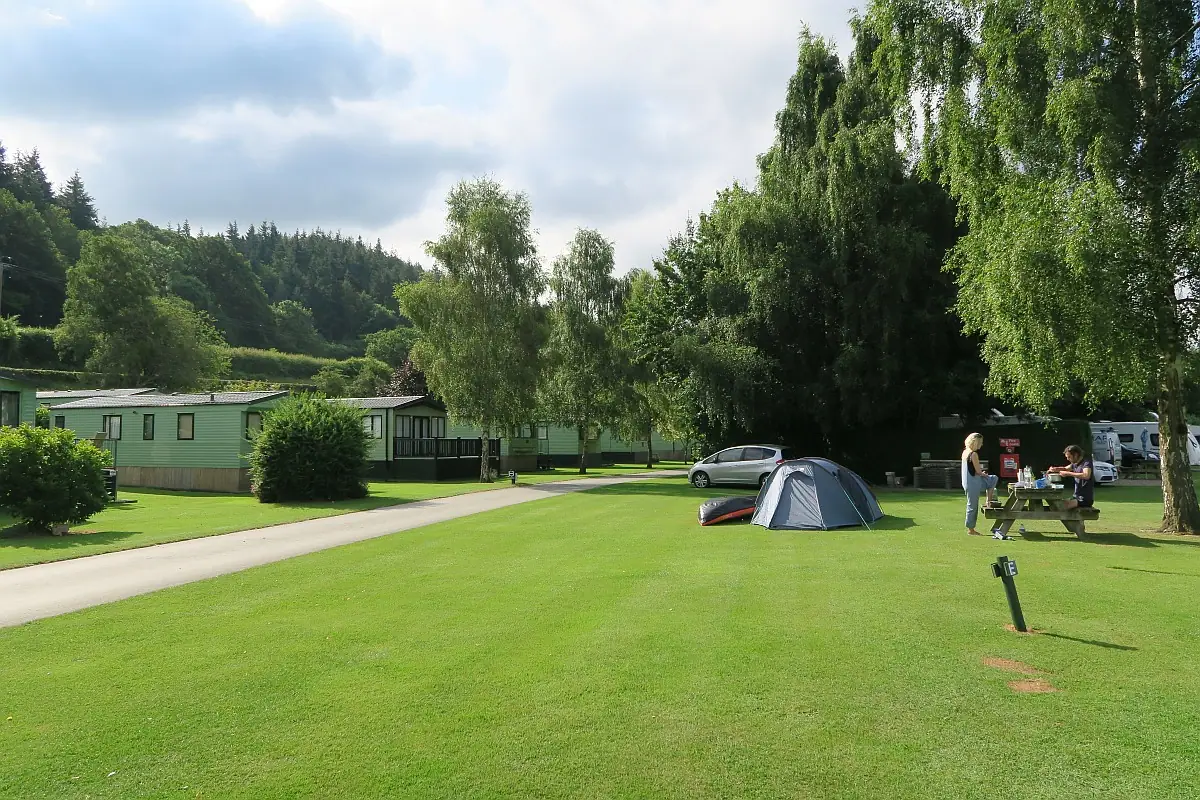
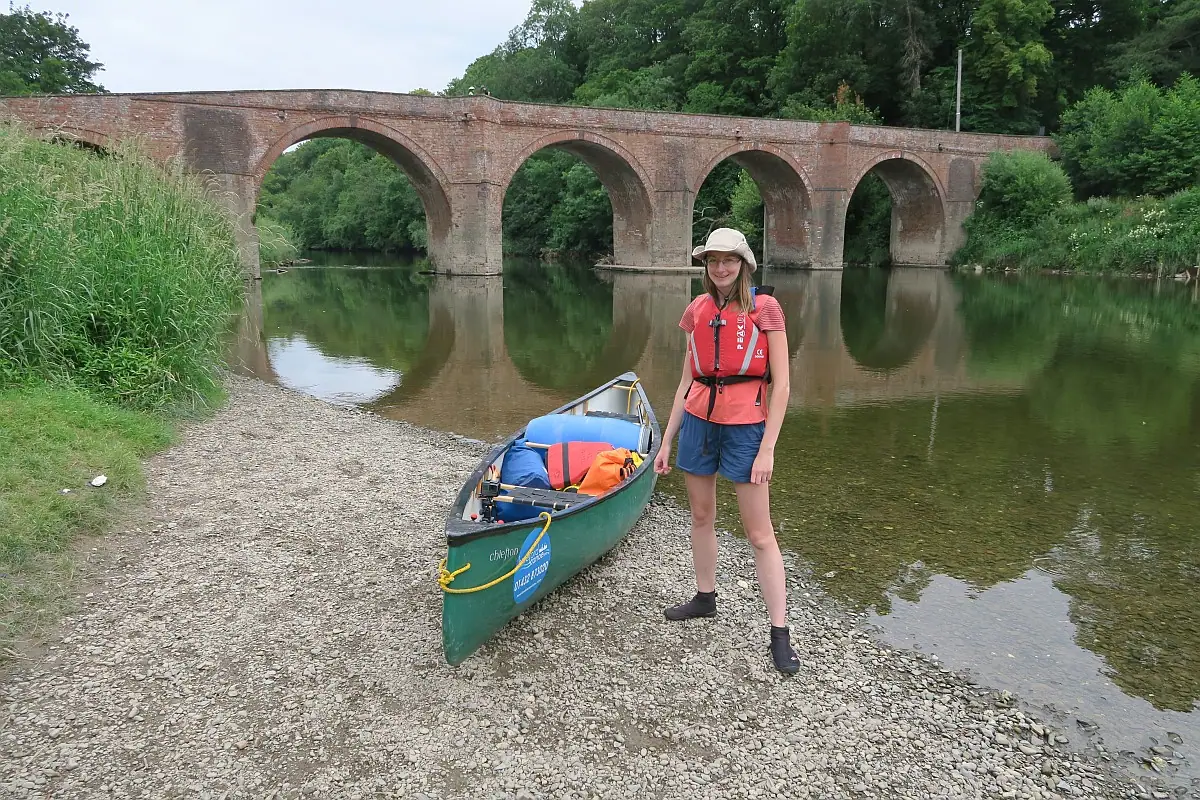
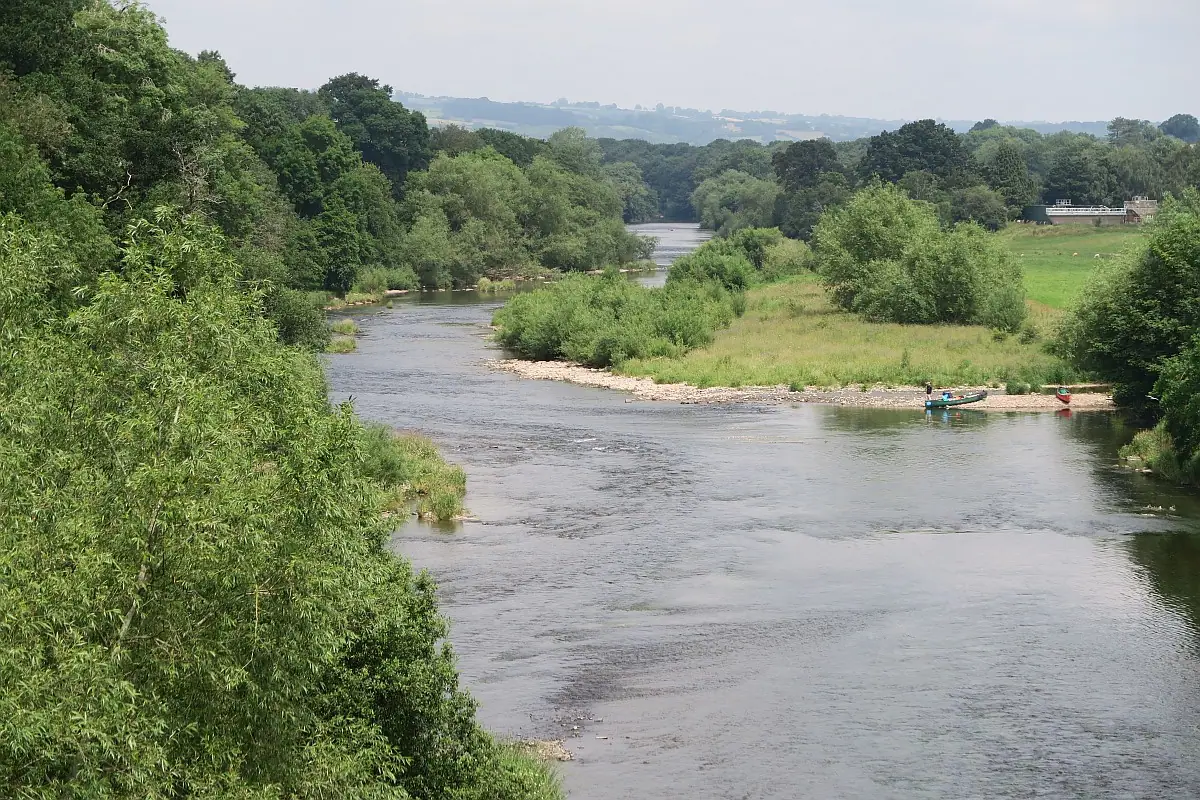
The River Wye runs from Plnlimon in mid-Wales to the Severn estuary in England. For part of its course, it actually acts as the border between the two countries. The Wye Valley has been designated an Area of Outstanding Natural Beauty, so you can be certain that the scenery is really beautiful along the way. The Glasbury to Symonds Yat section is the most popular among canoeists. It is a fantastic multi-day canoe trip and most of it is completely safe for complete beginners. We did the Glasbury to Lucksall section as a 4-day canoe camping trip and had a great time. We would love to return one day and do other sections as well. The river is very slow flowing and too shallow for canal boats, so it is generally very quiet with only a few other canoeists and kayakers. A lovely little paradise.
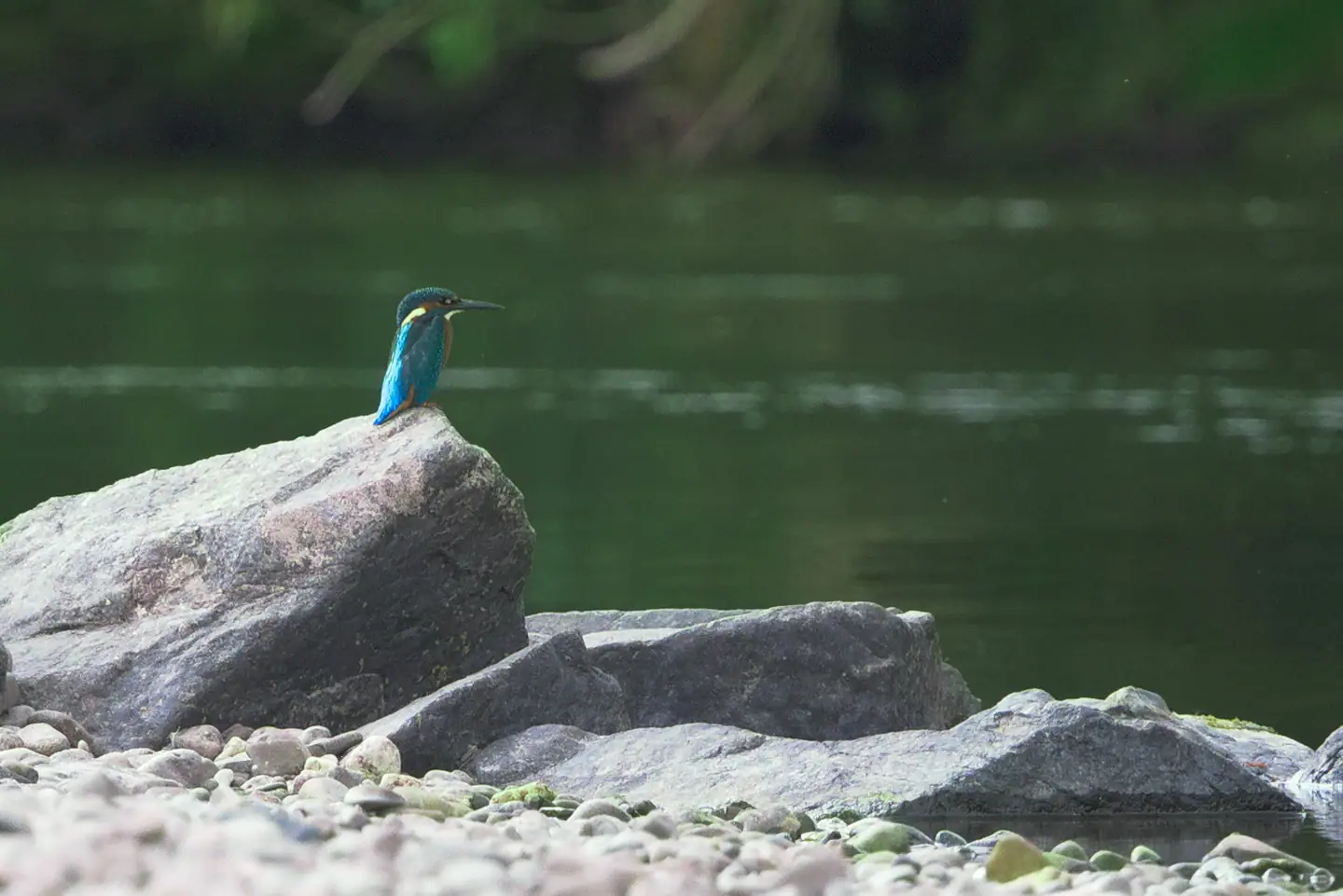
The highlight of the trip: Seeing kingfishers on the way.
Who do I recommend this trip: A great place for beginners.
Facilities: You will find campsites along the way and canoe friendly pubs and cafes.
How to get there: If you are by car, then you can choose any starting point along the river. If you are limited to public transport, then a few good options are Glasbury, Hereford or Ross on Wye.
Duration: You can either do a multi day canoe trip or just a part of it for a day.
Difficulty: Easy
Potential danger: Most of the river is very shallow. But certains parts can be quite fast flowing. So do check before your trip as some sections might require some more experience or a helmet. Eg the Symonds Yat or Monnington Falls rapids. If you start in Glasbury, then you’ll get to experience the gentler portions of the river before some more adrenaline-pumping rapids towards the end.
Where to book: Canoe rentals are available at Hereford Canoe Hire, Wye Canoes, Ross-on-Wye Canoe Hire, Ultimate Canoe and Kayak
Most of these companies offer rental and also guided tours. You can also request a transfer.
Plan your trip: River Wye Canoe and Kayak Guide
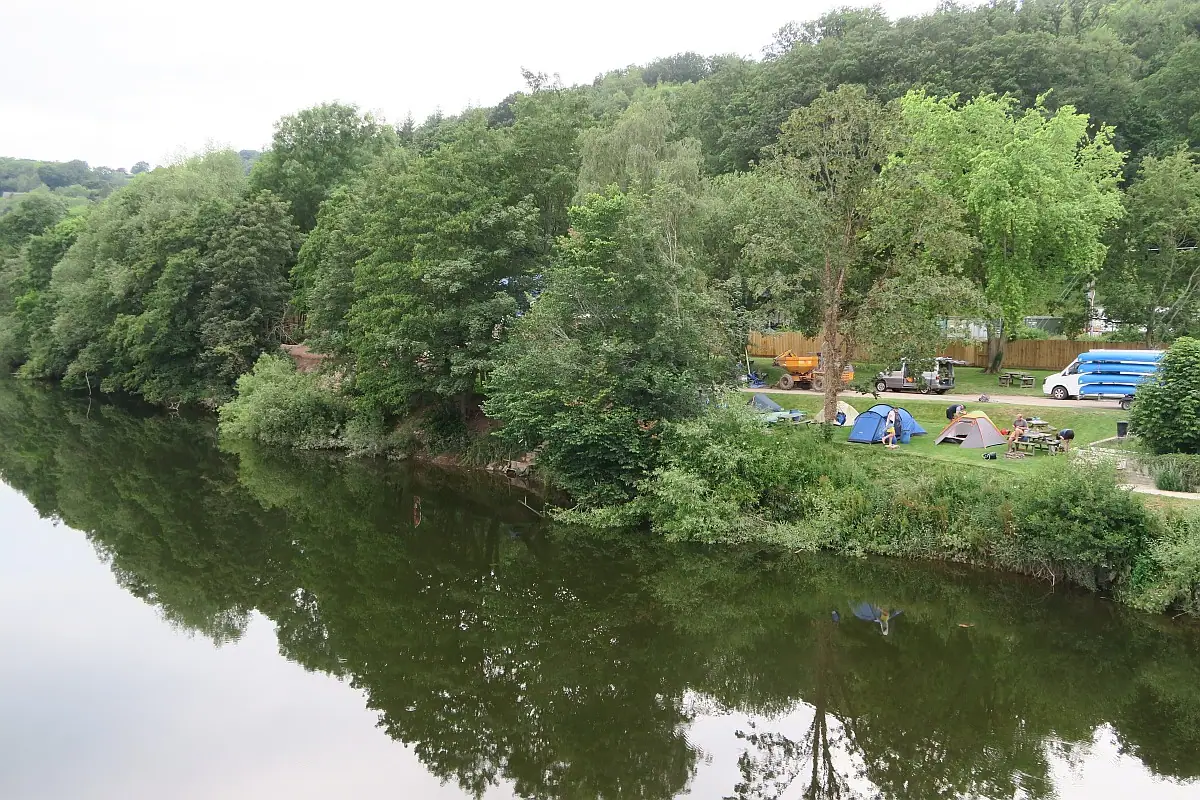
Where to stay: There are a few wild camping spots along the way, just don’t forget your wild camping equipment. For some more comfort, you can stay at campsites. There are also some cute riverside cottages that are suitable for a canoe trip.
Best Riverside Cottages/Hotels along the way
Campsites: (These are the campsites in an order as you move down the river from Glasbury to Monmouth)
River Wye Campsite in Glasbury
Whitney Bridge Glamping, Camping and Canoeing at Whitney Bridge
Locksters Pool camping
Byecross Farm Campsite
Preston Campsite
Hereford Rowing Club
Lucksall Caravan & Camping Park
Tresseck Campsite
White House on Wye Glamping
Ross Rowing Club
Huntsham Bridge Camping
River Wye Caravan and camping park
Dixton Meadows
River Thames
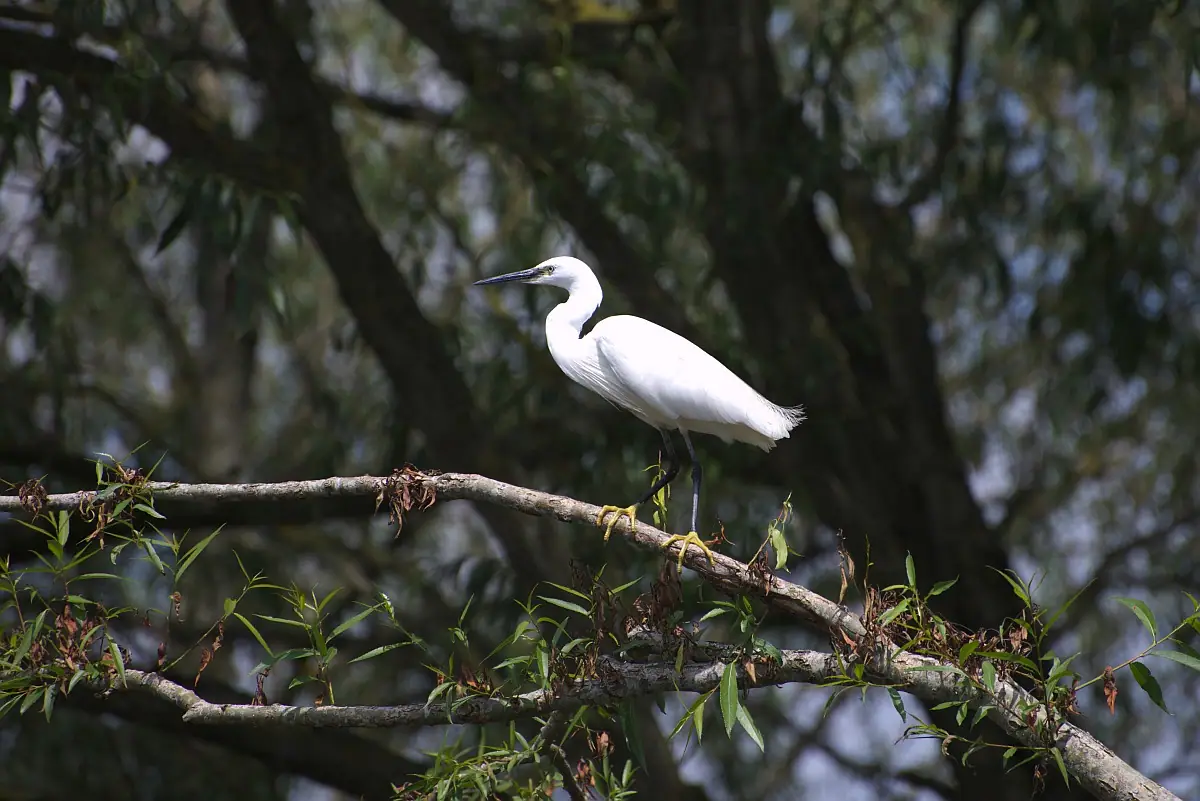
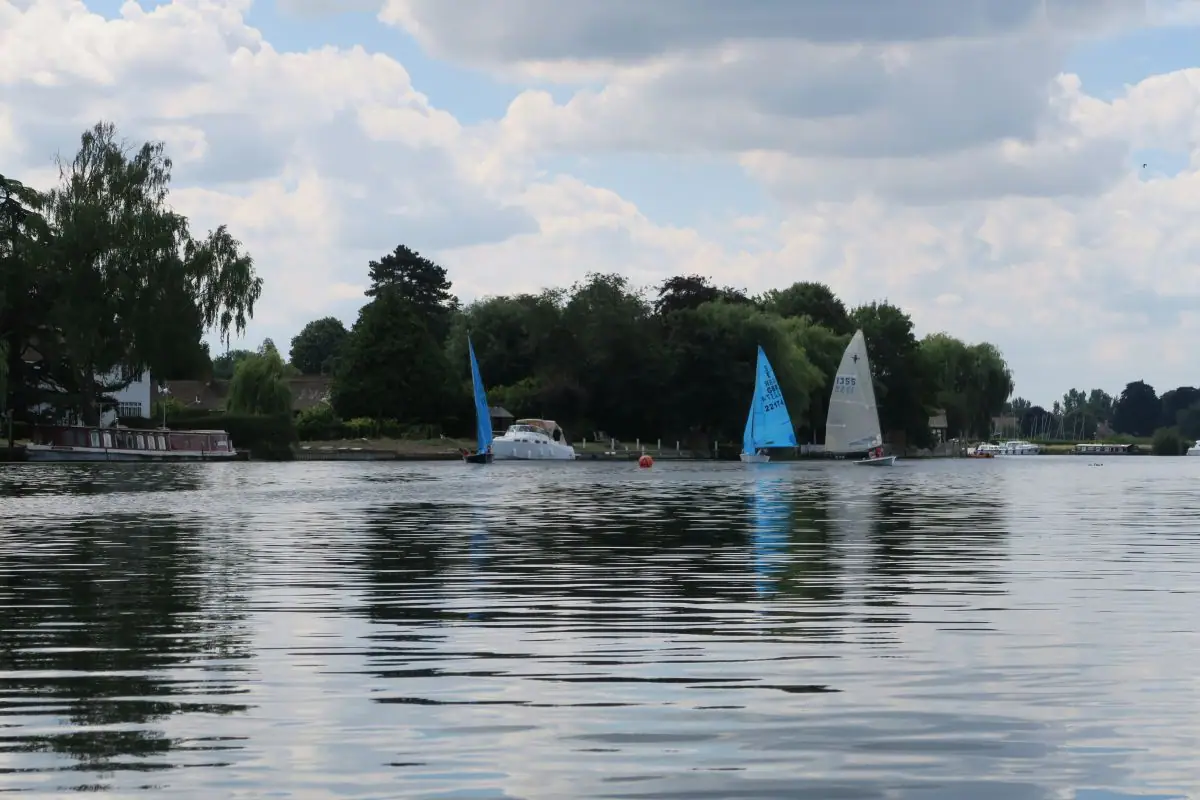
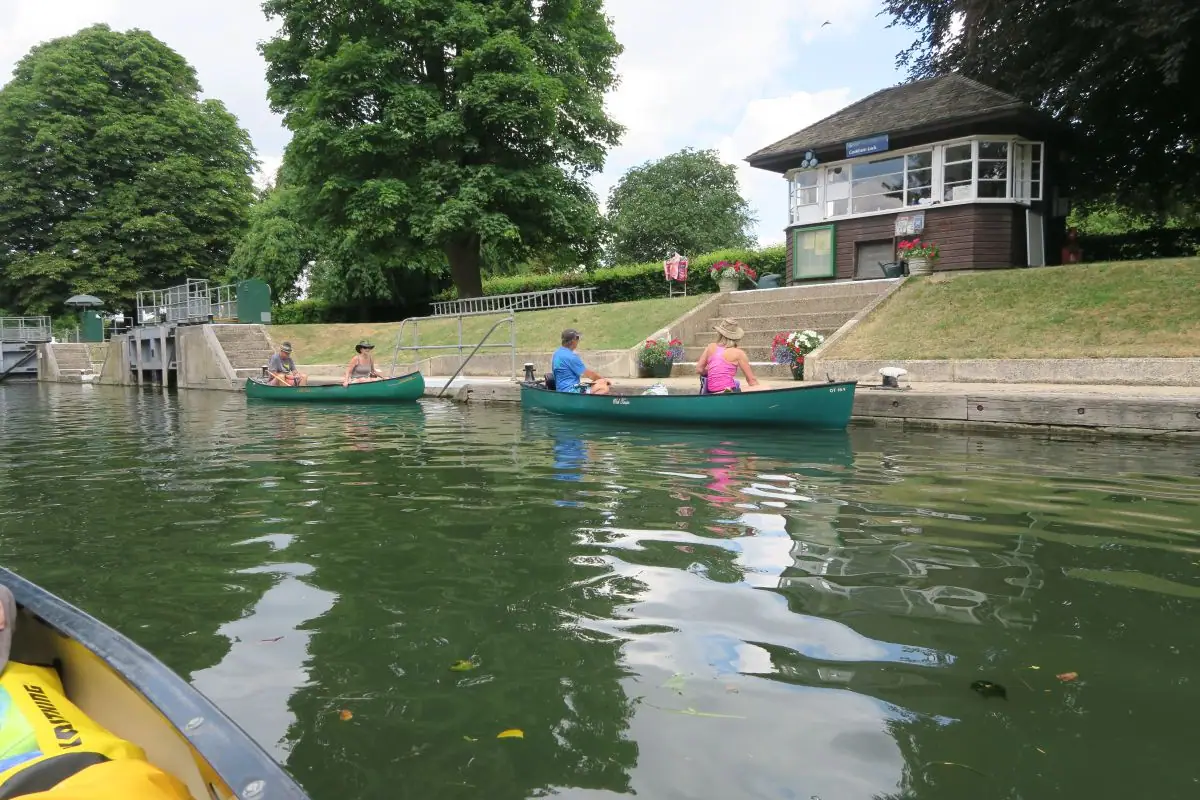
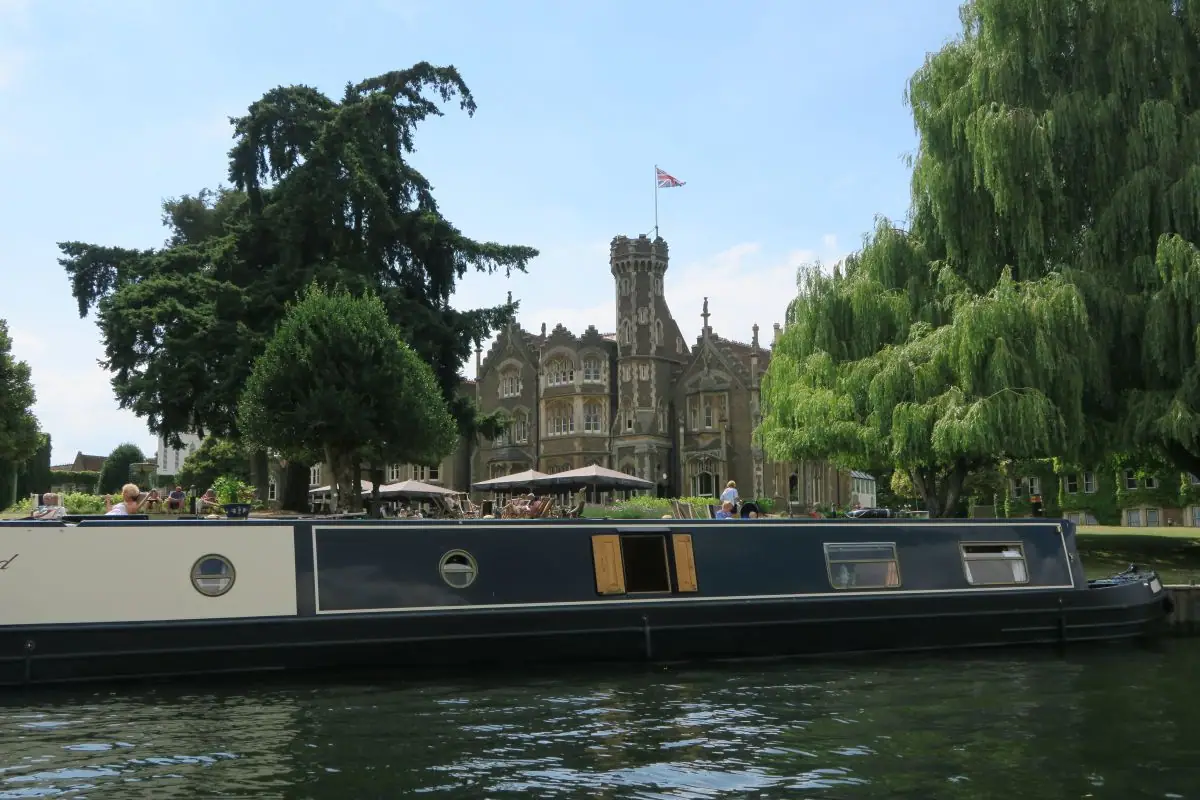
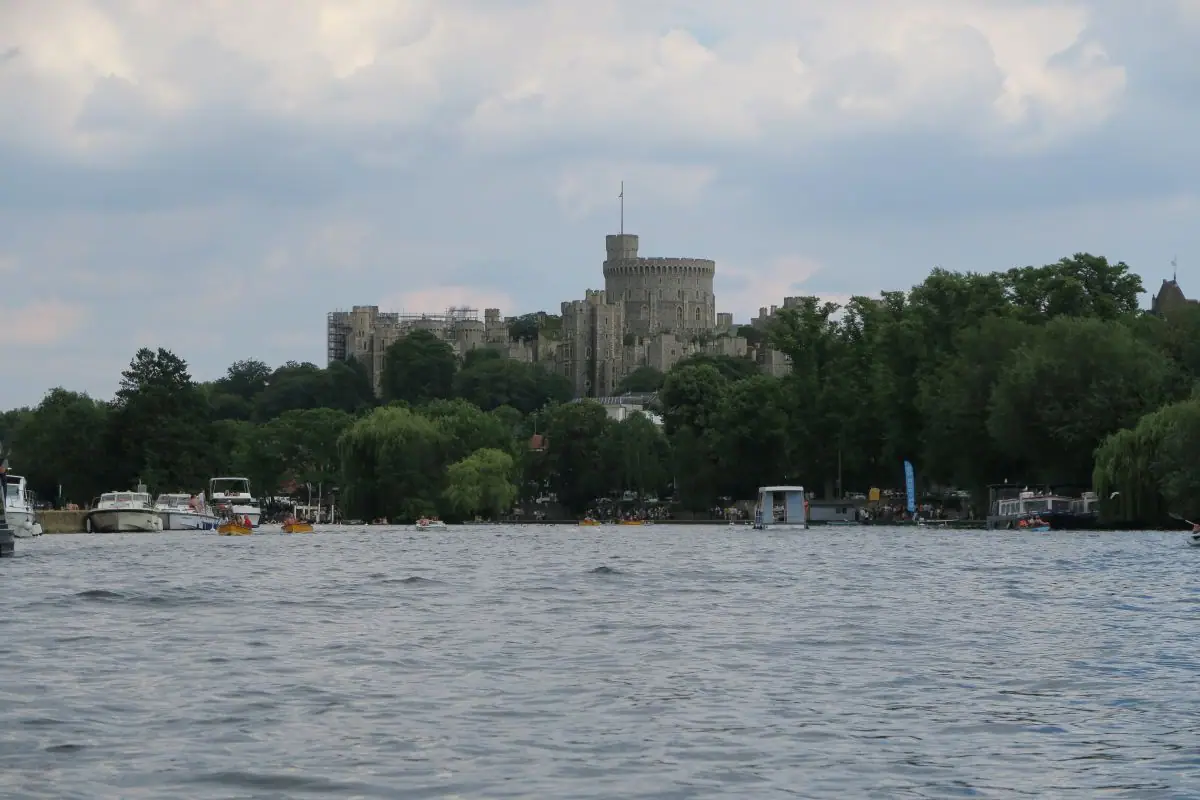
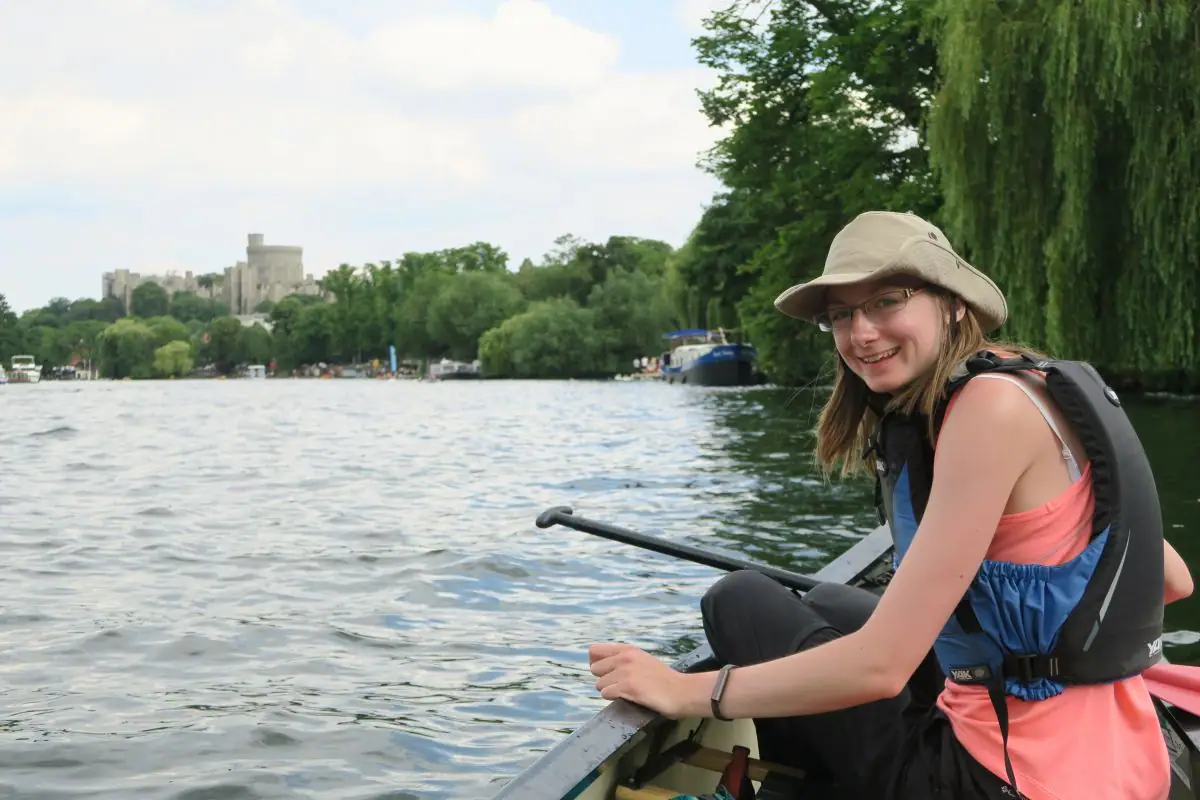
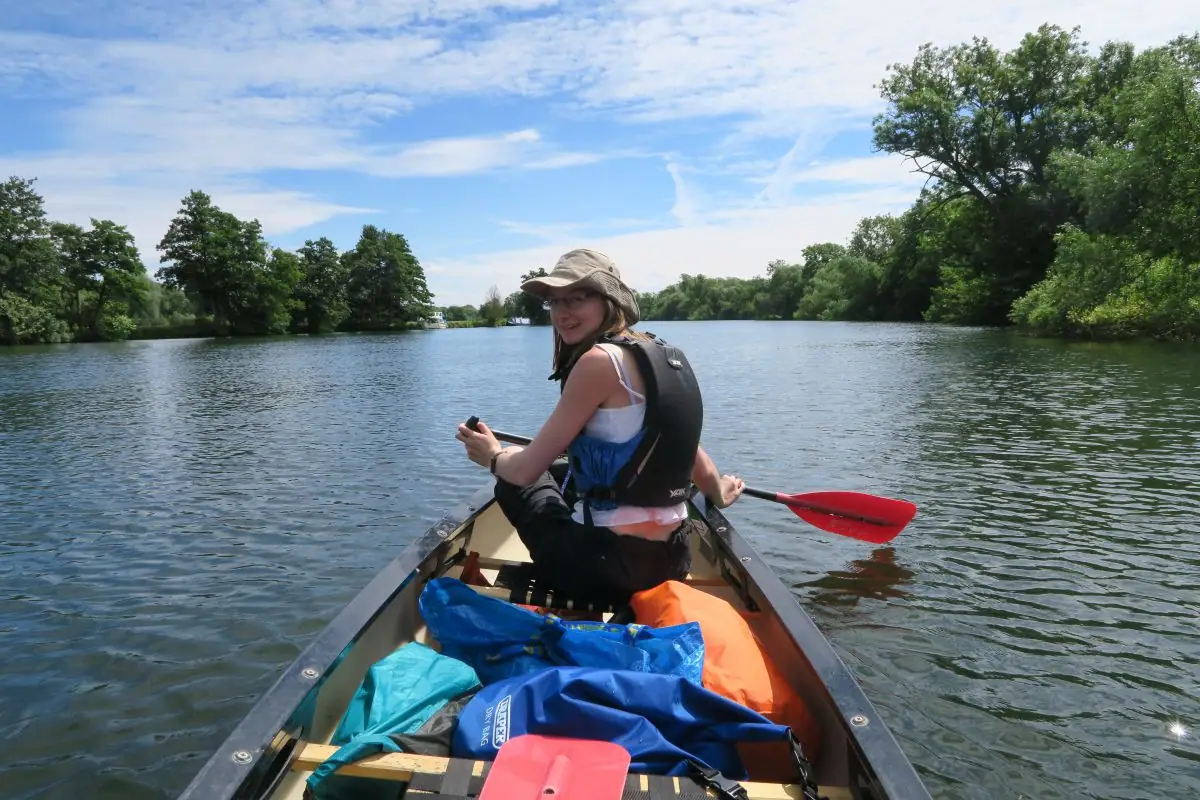
Of course this list could not be complete without the UK’s most famous river, the Thames. You can paddle from Lechlade (the uppermost navigable part of the river Thames) to Teddington (just before you get to central London). This section is 220 km (137 miles). This section is non tidal, so you won’t need to stress out about calculating tide times. This stretch is relatively safe with wonderful riverside campsites along the way, plus plenty of charming pubs. You can also go kayaking in Central London with an organised tour. We did the Henley to Windsor section in two days, which covered 38 km. But I would love to do other parts as well in the future.
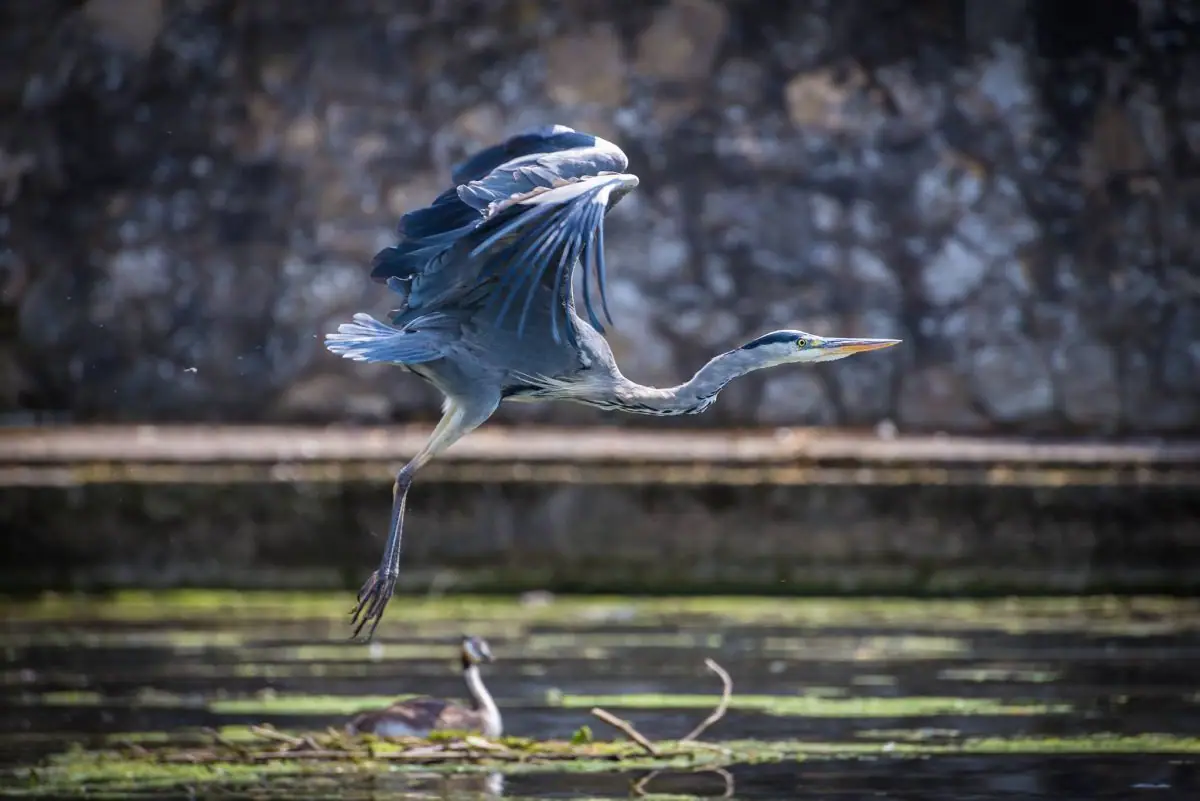
The highlight of the trip: Seeing the wildlife and the gorgeous view of Windsor Castle.
Who do I recommend this trip: A great place for beginners.
Facilities: You will find campsites along the way and canoe friendly pubs and cafes.
How to get there: If you are by car, then you can choose any starting point along the river. If you are limited to public transport, then a few good options are Oxford, Henley-on-Thames, Reading or Windsor.
Duration: You can either do a multi-day canoe trip which can take 6-8 days or just a part of it for a day.
Difficulty: Easy
Potential danger: Most of the river is quite safe, but there are canal boats and yachts along the way, so be careful with them. There are several locks along the way, where you can either portage or go in with the boats. You should only do the London city centre part with a guide on an organised tour.
Where to book: Canoe rentals are available at Henley-on-Thames,
Most of these companies offer rental and also guided tours. You can also request a transfer.
Plan your trip: Paddle the Thames: A Guide for Canoes, Kayaks and Sups
Where to stay: Not many good wild camping spots along the way. But there are lots of campsites and riverside cottages.
Best Riverside Cottages/Hotels along the way
Campsites
Second Chance Caravan Park in Marston Meysey
Riverside Park & Pools in Wallingford
The Swan Hotel and Campsite at Radcot Bridge
Embers Camping – Henley Campsite in Marlow Road, Henley-on-Thames
Cookham Lock in Marlow
Hurley Riverside Park in Hurley
Laleham Camping Club in Staines-upon-Thames
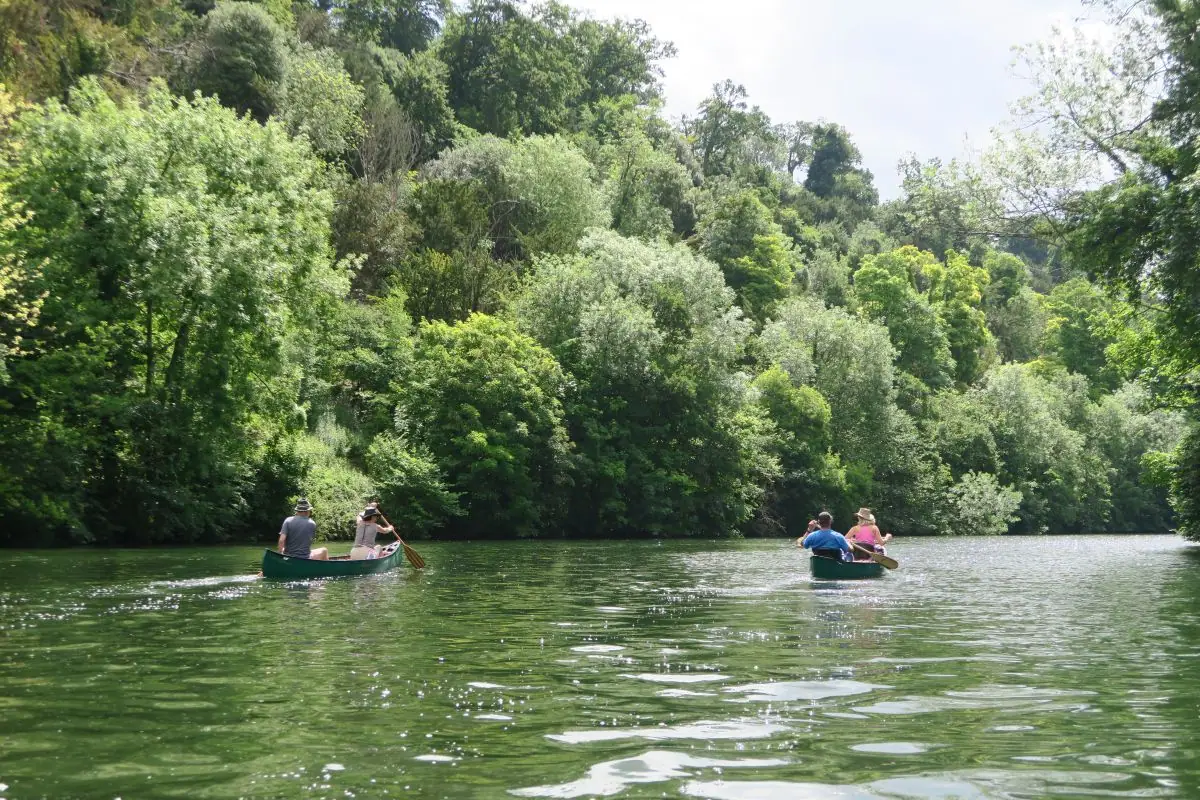
Cuckmere River
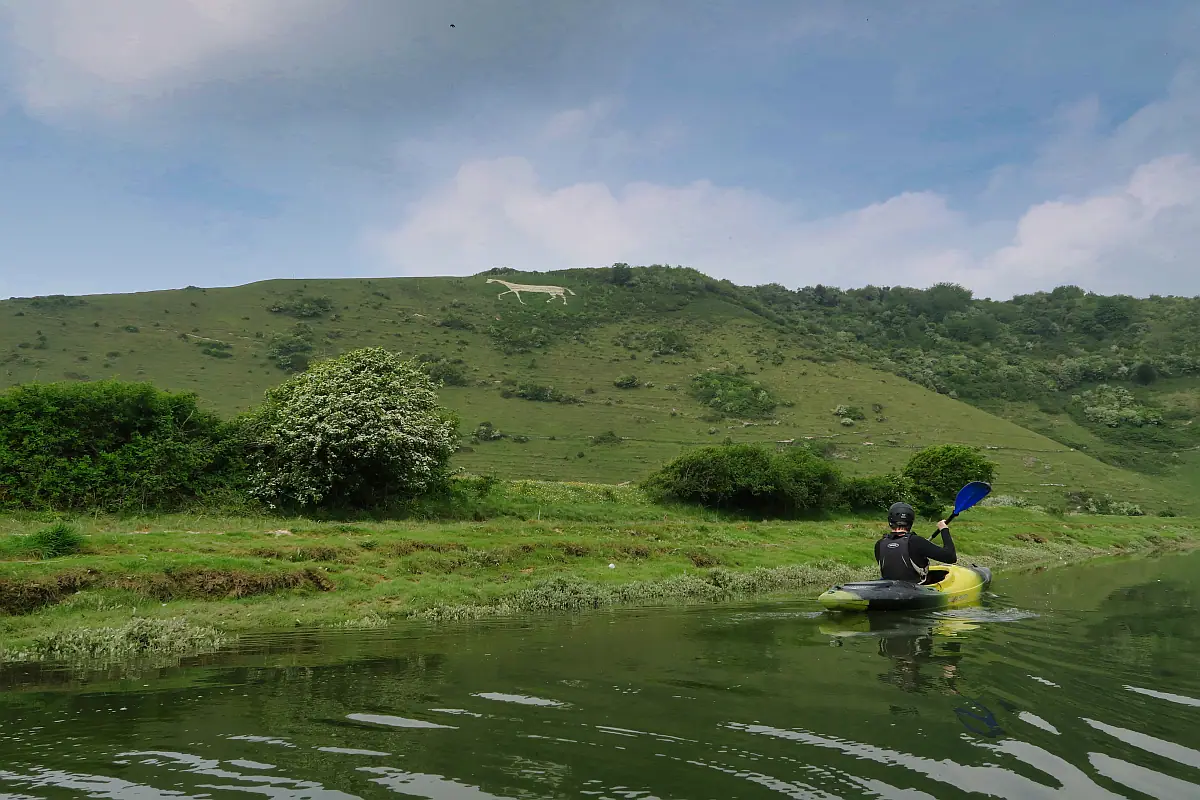
The Cuckmere River flows through the scenic South Downs National park before it reaches the sea. The rver is home to beautiful wildlife. We really enjoyed how peaceful our paddle was. The river is tidal, so you will need to plan your trip accordingly. You can paddle up to the village of Alfriston, which has a lovely pub on the High Street called The George Inn. If you find that to far away, then Litlington also has a nice riverside pub called The Plough & Harrow and Tearooms as well. If you find the energy after your canoe trip, then you could go on the Seven Sisters Cliff Walk as well.
The highlight of the trip: The gorgeous views of the Litlington white horse.
Who do I recommend this trip: A great place for beginners.
Facilities: Lovely pub in Alfriston and Litlington.
How to get there: The Seven Sisters Car Park is right next to the river and it is suitable to launch your own canoe/kayak.
You can also get a direct train from London Victoria or London Bridge to Brighton and then change onto bus Coaster 12, 12A or 12X. You will need to get off at Seven Sisters Park Centre. Another option is to take a train to Eastbourne and then bus to Seven Sisters Park Centre. Either way, the total journey time is about 2 hours.
Duration: About 14 km round trip from Cuckmere Valley Canoe Club to Alfriston. It should take about 4-5 hours.
Difficulty: Easy
Potential danger: Not much danger apart from some nasty swans you might meet along the way. But plan your trip to go with the tide, as otherwise it won’t be a plesant trip.
Where to book: Canoe/kayak/SUP rentals are available at Buzz Active. They also offer guided tours.
Plan your trip: English Canoe Classics in the South
Where to stay:
Best Riverside Cabins/Hotels in the area
Campsites
Alfriston Camping Park
Cuckmere Camping Pods
River Nene
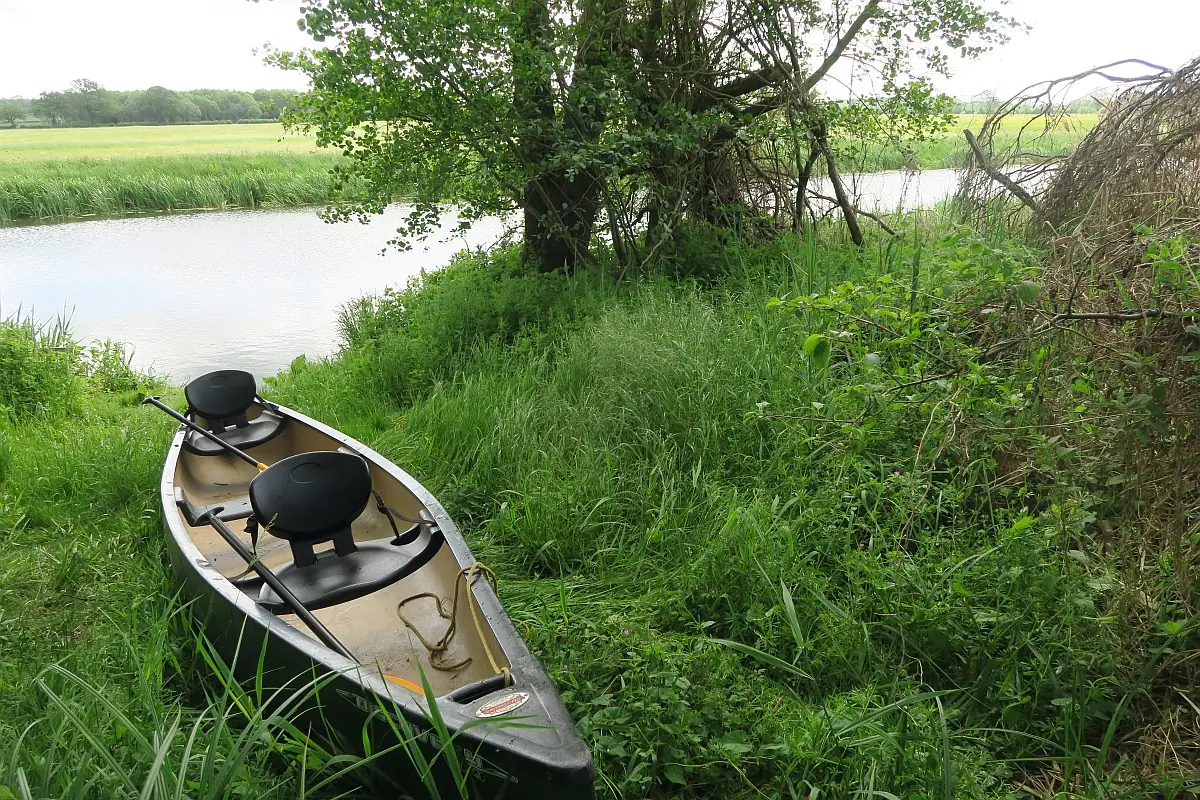
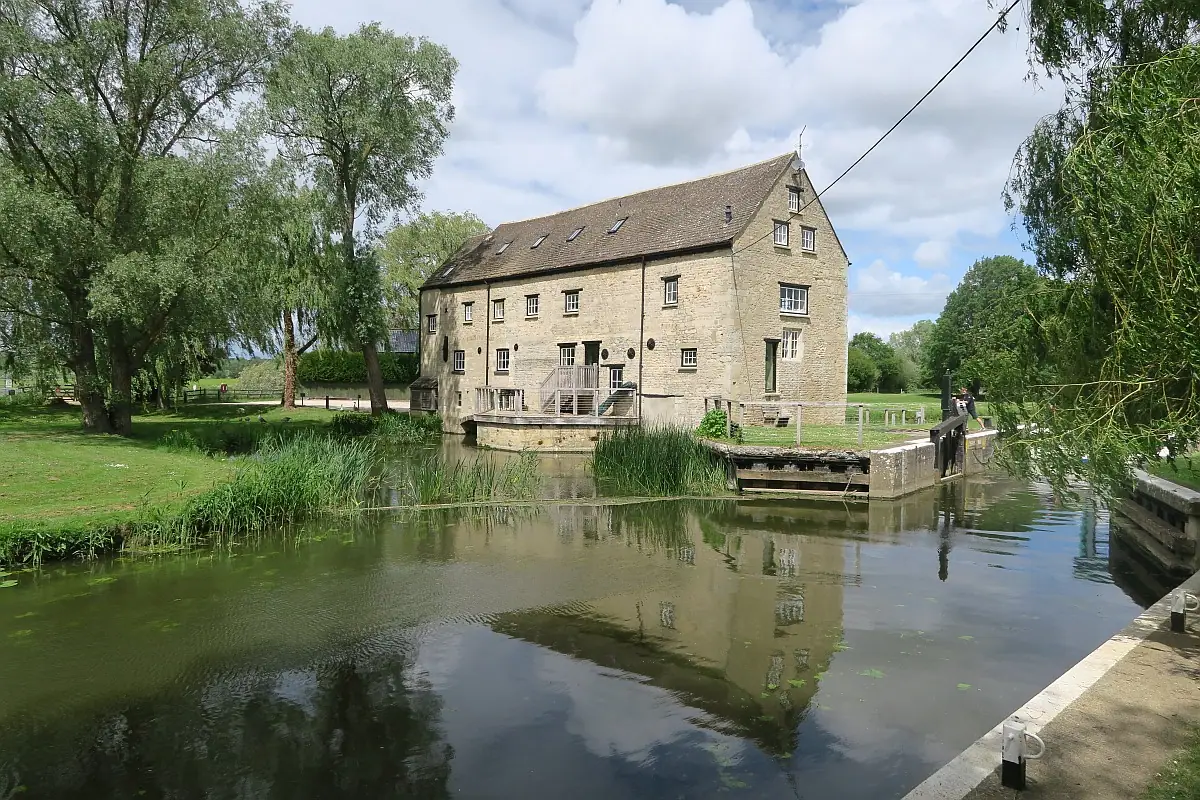
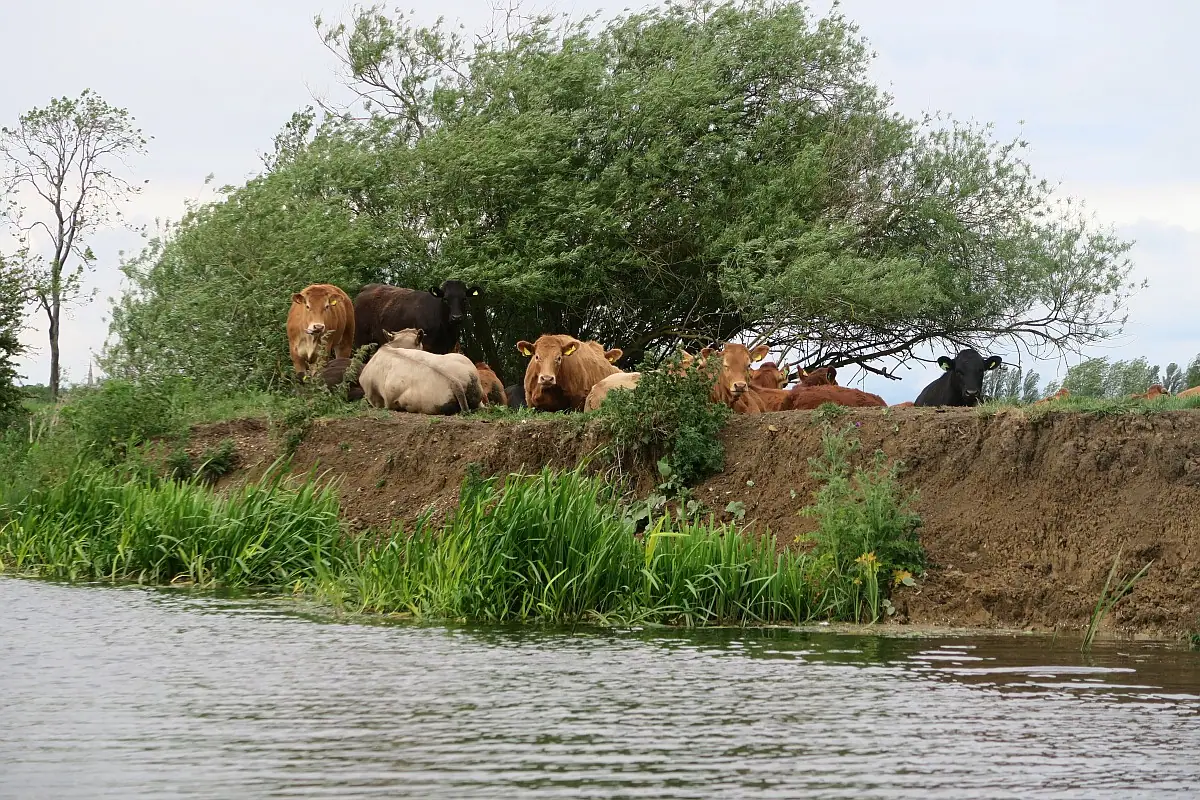
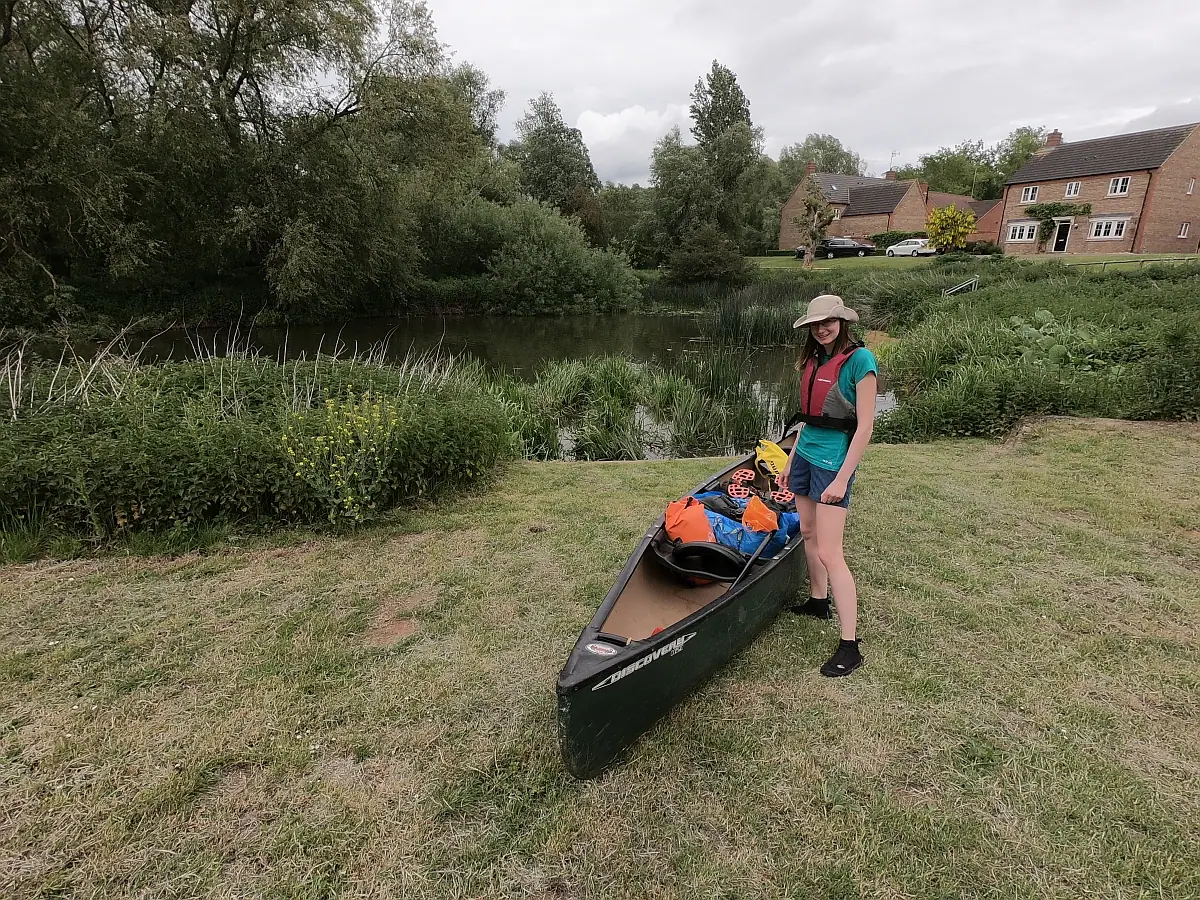
The river Nene is about 100 miles (160 km) long. The Northampton to The Wash section 88 miles (142 km) is navigable. Nowadays it is primarily used for recreational purposes. The Nene Valley is home to flood plains, pools and lakes. We did a 2-day canoe trip between Rushden Lakes and Oundle. This section goes through some quiet villages and untouched nature. The main challenge of paddling here are the locks, as there are quite a few of them and carrying the canoe over can be quite exhausting.
The highlight of the trip: Enjoying a peaceful paddle, as this river isn’t very busy.
Who do I recommend this trip: People who enjoy a paddle and pub break.
Facilities: Most of the paddle is through untouched nature, but you will pass some cute villages and bigger cities as well. There is a huge shopping centre at Rushden Lakes. You could also stop at The Water Mill Tearooms in Ringstead or The Kings Head riverside pub in Wadenhoe.
How to get there: There is a big car park at Rushden Lakes. Public transport is limited, but not impossible. Take the train to Wellingborough and then change onto the local bus #45 or the X47 Gold to Rushden Lakes. Alternatively you can take taxi from the train station for about £12.
Duration: Lots of overnight canoe trip options available. If you only want a day paddle, then I suggest the Thrapston’s Nine Arches Bridge to Oundle or Rushden Lakes to Wadenhoe section.
Difficulty: Moderate – You will need to be quite fit to do this trip, especially if you are going to carry your own gear. There are many locks where you will have to carry your equipment and canoe at the portage. This will drain your energy a lot.
Potential danger: Not much danger apart from a few canal boats along the way and the locks.
Where to book: Canoe/kayak rental available at Canoe2. They also offer guided tours.
Plan your trip: English Canoe Classics in the South
Where to stay:
Best Riverside Cabins/Hotels along the way
Campsites
Castle Farm Campsite in Fotheringhay
Nene Outdoors Campsite in Peterborough
The Inverpolly Lochs
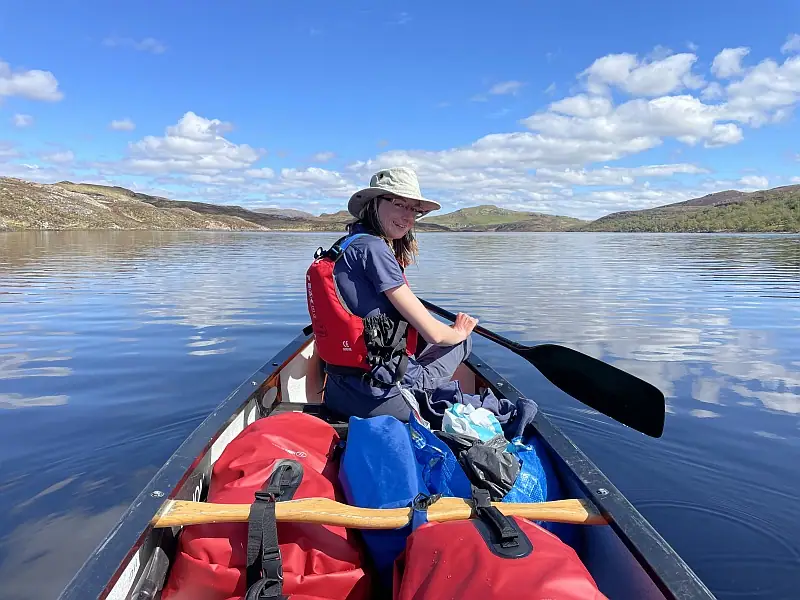
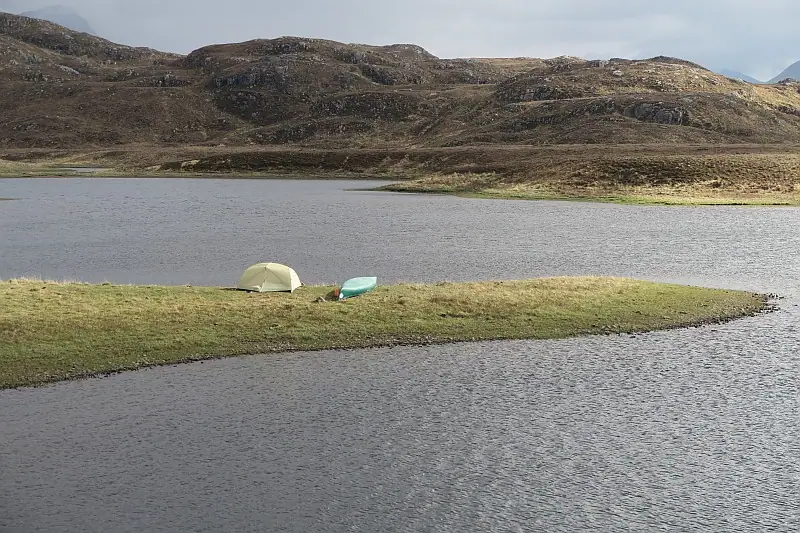
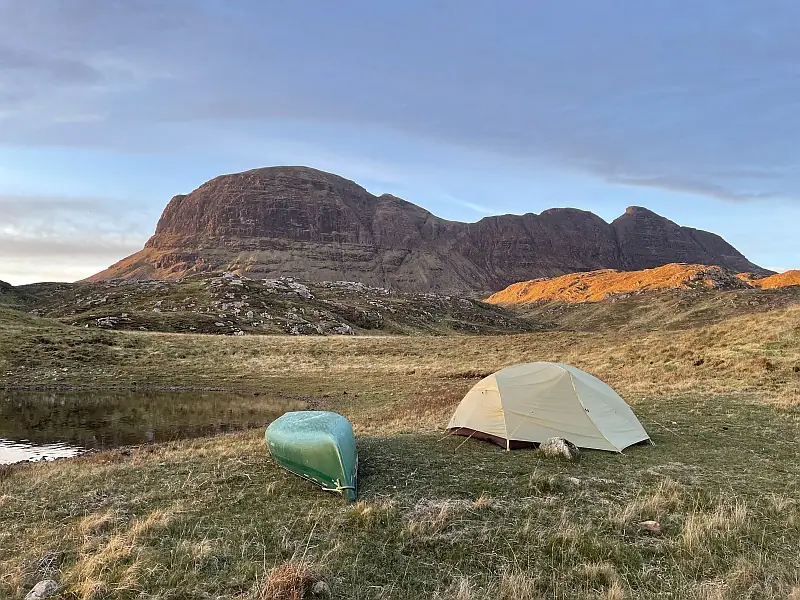
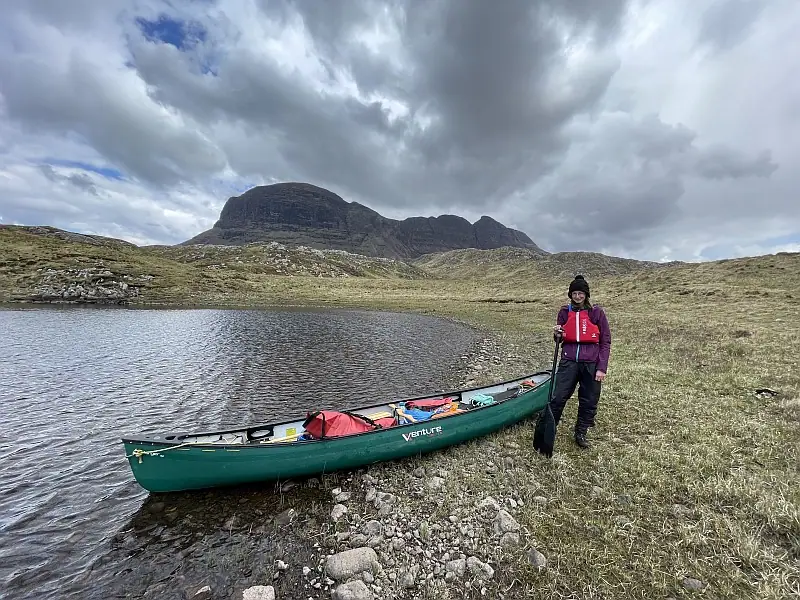
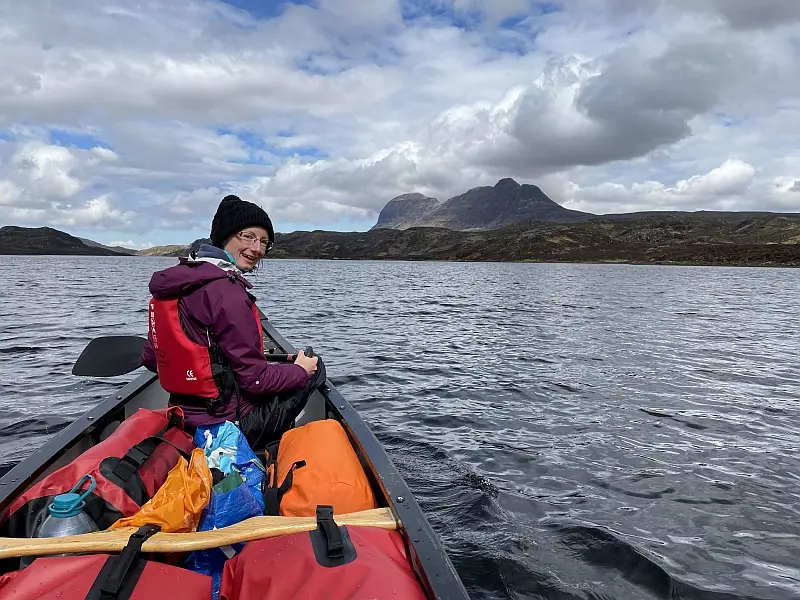
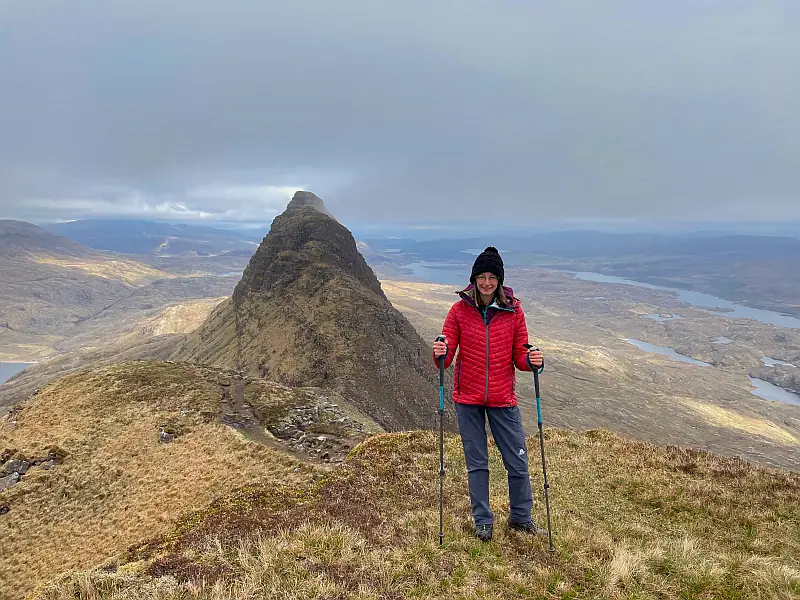
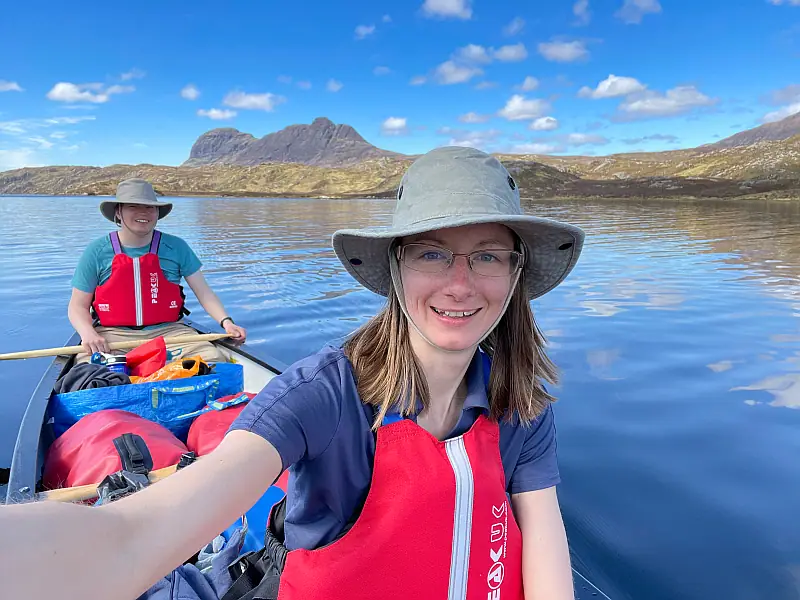
A wilderness canoe adventure on Loch Veyatie and Fionn Loch in the remote Scottish Highlands on the NC500. It is a must for all those looking for an amazing adventure. I wanted to climb Suilven for a long time, and decided the best approach to do it is by paddling to the base of the mountain. There are many wonderful wild camping spots here. Then it is possible to hike to the peak and take in the views that we covered by canoe previously.
The highlight of the trip: The epic view of Suilven mountain.
Who do I recommend this trip: People who have a great sense of adventure and like a good challenge.
Facilities: This is the Scottish wilderness and there aren’t any facilities on the way. There is a tea room at the beginning of the paddle in the village of Elphin.
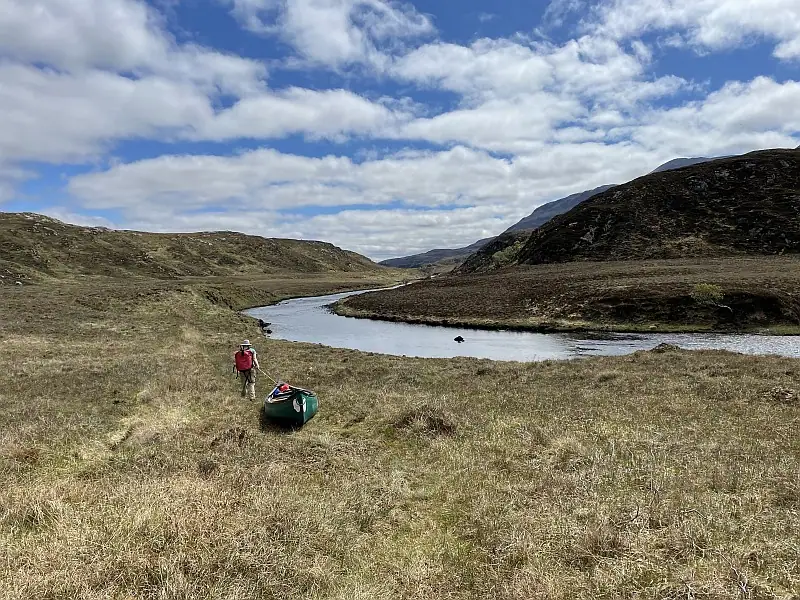
Where to launch: You can launch your boat at Elphin village. There is a 700 m track down to a fish farm. The white gate is locked most of the time, so you will have to lift the canoe over. A trolley will make your life easier for this section
How to get there: Your best bet is by car. There are a couple of laybys where you can park your car near Elphin. You can also seek permission from local landowners. The community hall often lets people park there if asked in advance.
Duration: The paddle from Elphin to the base of Suilven is 10 km. (2-3 hours) You can hike up to Suilven (7 km round trip hike with 670 m elevation gain: 4-5 hours) I suggest doing this trip in 2-4 days.
Difficulty: Difficult – Very remote area! Loch Veyatie is about 7 km long. It connects to Fionn Loch by a slow-flowing river. When the water level is high enough you can paddle downstream easily. But you are likely to have to portage on the way back.
Potential danger: On a calm, nice day this trip is very safe. But it is remote and there isn’t much reception on the way. So having a Satellite device is essential for your safety. We use a Garmin inReach Mini.
Where to book: Canoe/kayak rental available in Inverness at In Your Element. Alternatively, Liquid Footprint and Kayak Summer Isles offers guided tours to the region.
Plan your trip: Scottish Canoe Classics
Where to stay:
Not an awful option, as the area is very remote. Most people kit out their vehicle for car camping before they embark on the trip or stay at a guest house in a nearby village.
There are also no campsites along the way. This area is a wild camping heaven.
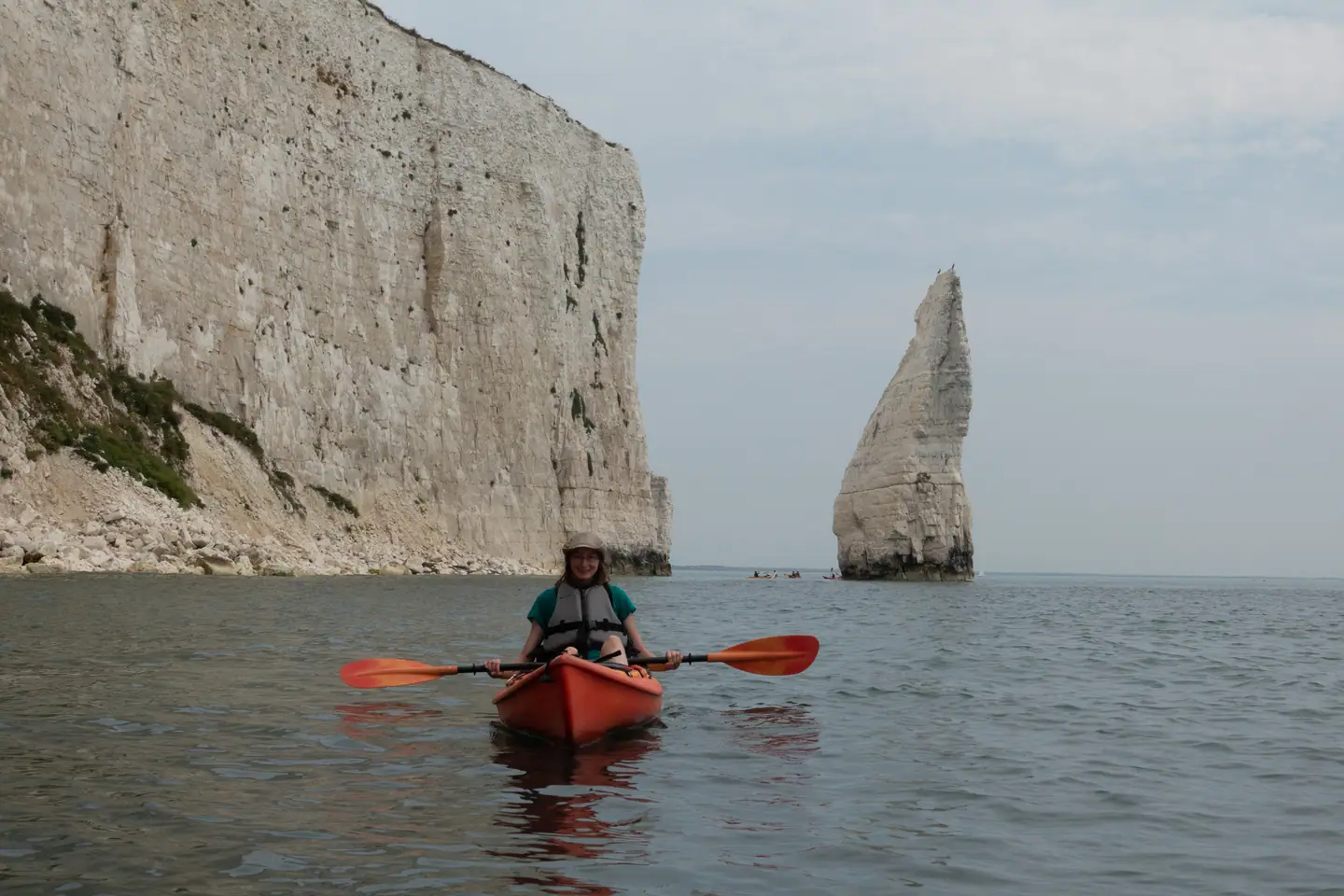
Old Harry Rocks in Studland Bay
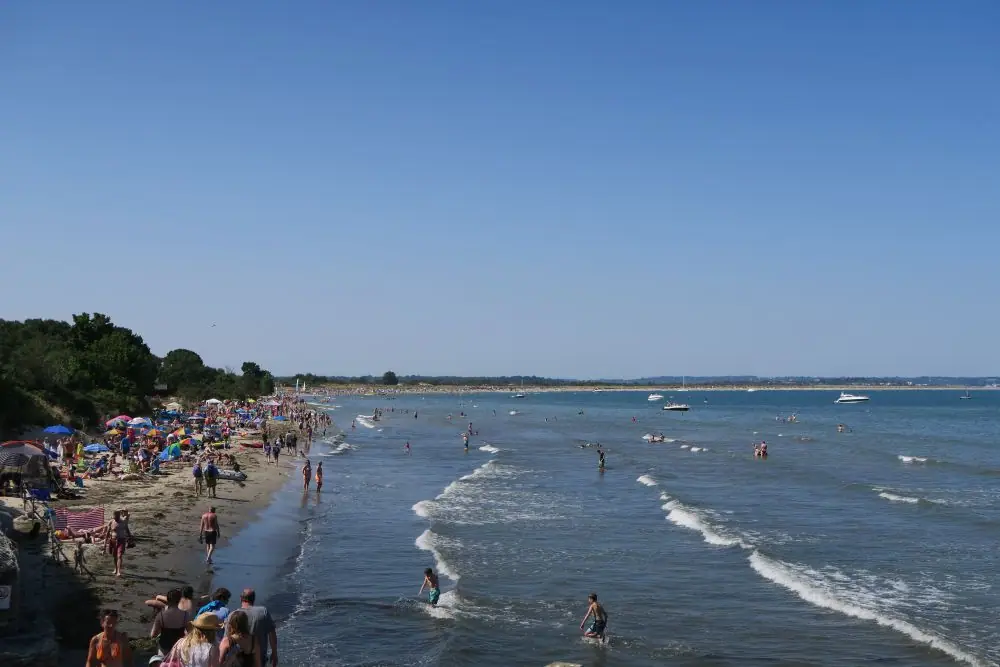
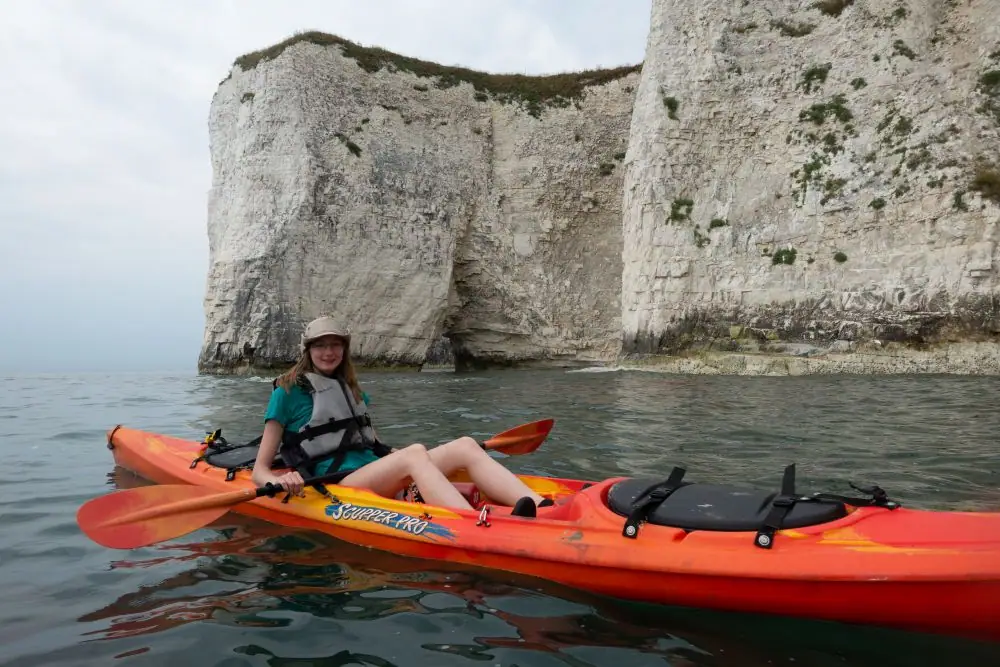
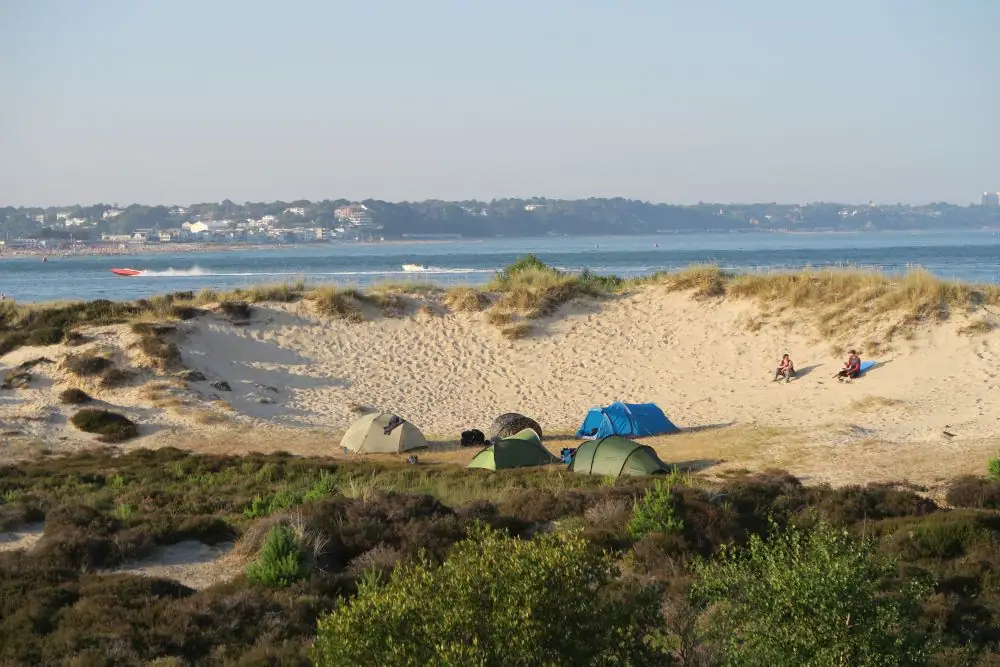
The beauty of the Jurassic Coast is best viewed from the water. It is generally more common to use a kayak on sea, than a canoe. But on a calm day it is perfectly fine to use a canoe as well. You will be able to see some secluded beaches, hidden caves and interesting rock formations along your journey. We did a wild camping kayak trip in Dorset and had a great time. We paddled from Swanage along the coast and past Old Harry Rock to Studland Bay. After a nice swim and ice cream break, we continued our way to a quiet beach and wild camped there.
The highlight of the trip: Snorkelling close to Old Harry Rocks and paddling under arches and into some caves.
Who do I recommend this trip: Beach lovers, especially on a hot day.
Facilities: Lots of shops and cafes at Swanage Beach and at Studland Bay.
Where to launch: You can launch your own boat at either Swanage Beach or Studland Bay.
How to get there: There is a big National Trust car park at Studland Bay and Swanage town also has many parking options. If you rely on public transport then take the train to Bournemouth and then bus 50 Breezer to Swanage.
Duration: Paddling in Studland Bay and to Old Harry’s Rock makes a great few hours of fun. You can of course extend the trip by paddling along the coastline and wild camping at a beach.
Difficulty: Moderate – Paddling on the sea if often a bit more challangind than lakes or canals. But on a calm day it makes a safe and easy paddle.
Potential danger: The sea can be dangerous if you paddle out too far and don’t pay attention to weather forecast and tides.
Where to book: Kayak/SUP rental available atStudland Watersports and Fore Adventure. They also organise guided tours.
Plan your trip: Purbeck & South Dorset Map
Where to stay:
Best Seaside Cottages/Hotels in the area
Campsites
Cleavel Point Camp Site
Swanage Bijou Camping
Beaulieu River
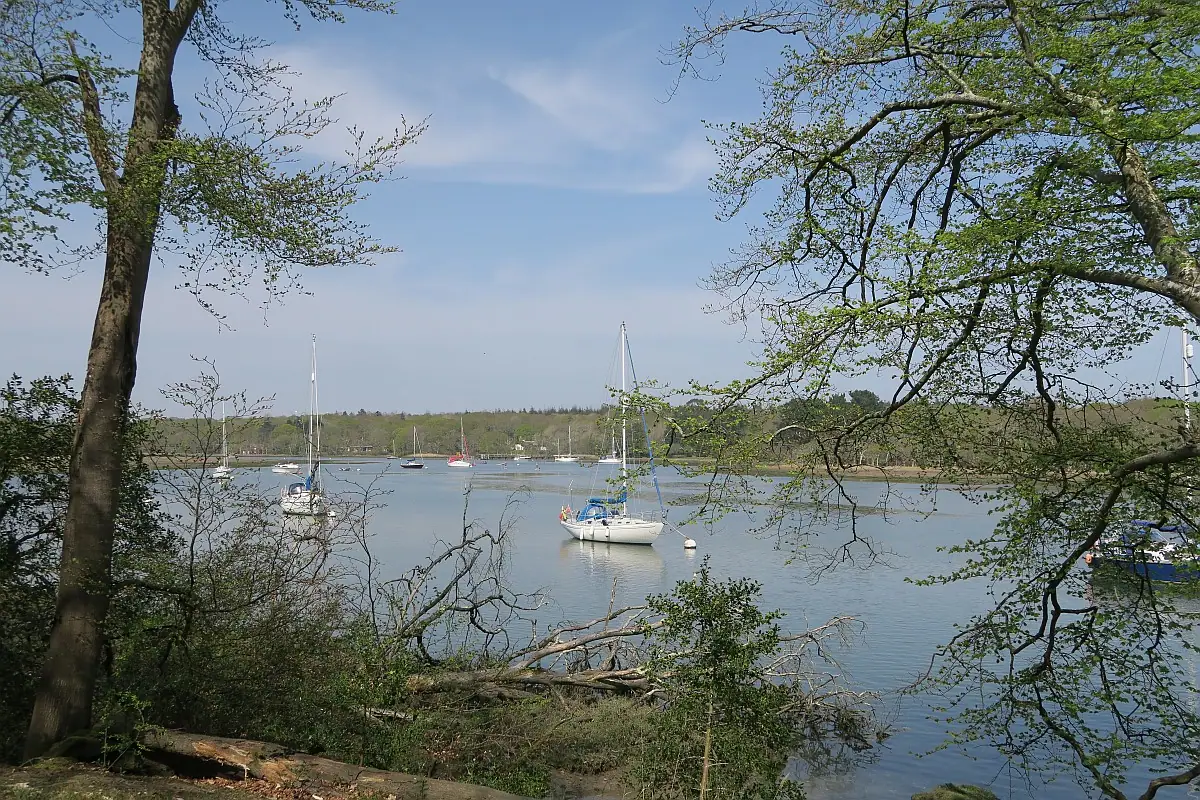
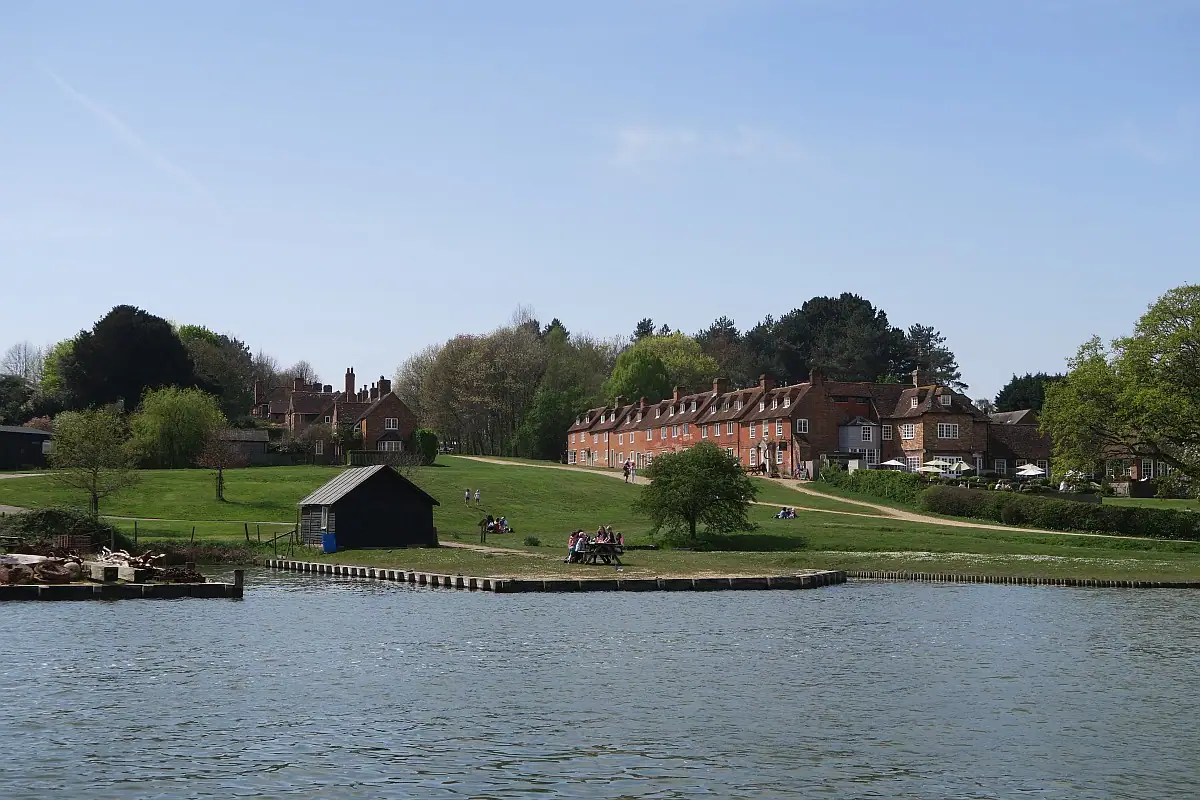
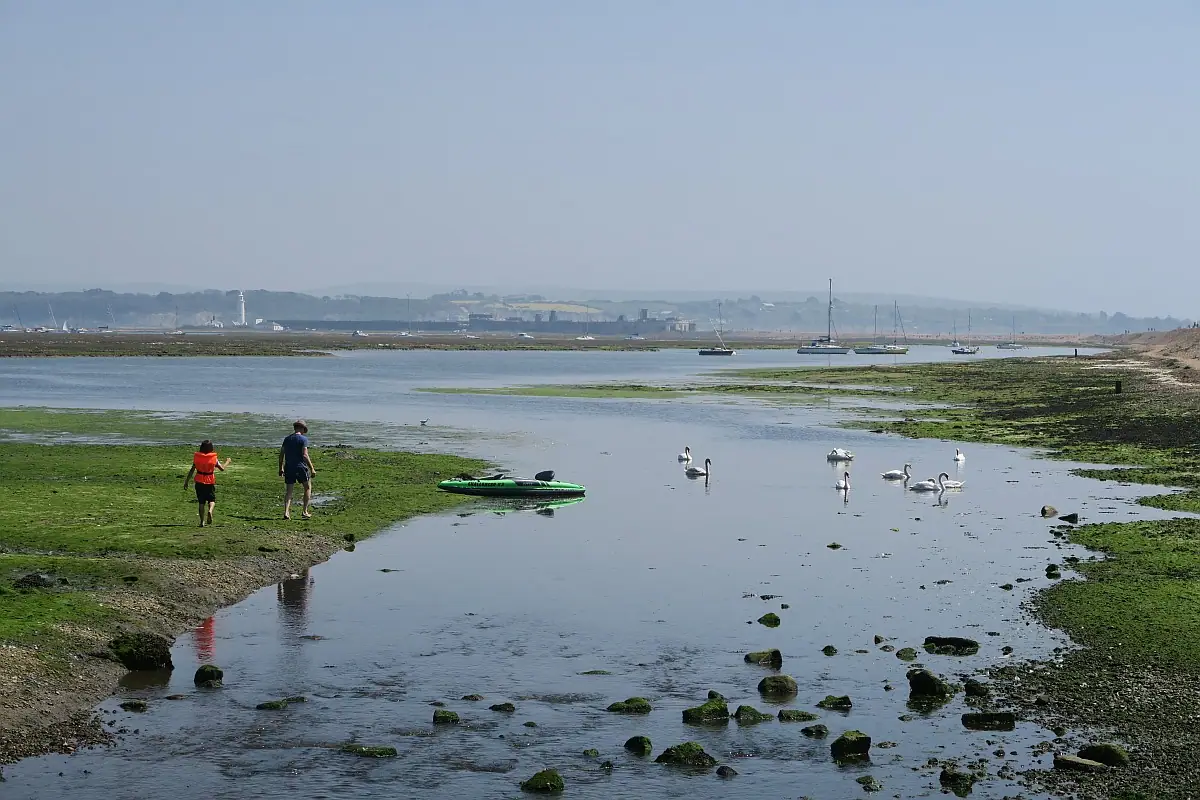
You have probably heard about horse riding and cycling in the New Forest. But it is also a great destination for a kayaking holiday in the UK. The Beaulieu River flows through the New Forest for 12-miles. The most popular section with paddlers is the 4-mile stretch between Bucklers Hard and the Solent. Beaulieu is French for ‘beautiful place, so this should be a good indicator about what the setting is like. The final part of the river before it reaches the Solent is a nature reserve and bird santuary.Gull Island is home to a rare colony of Black-Headed Gulls. These sections are protected and you are not allowed to land there. There aren’t any footpaths here either, so you will get the best views from the water.
The highlight of the trip: Seeing the unique birdlife.
Who do I recommend this trip: Wildlife lovers, as the area is rich in birdlife and you might even spot some seals, rabbits and wild horses.
Facilities: Great pub at Bucklers Hard.
Where to launch: Beaulieu River is privately owned and a launch fee is payable at the Harbour office (£5/day)
How to get there: There is a car park at Bucklers Hard. If you rely on public transport then take the train to Brockenhurst and then a taxi. Or you can cycle through the New Forest.
Duration: A great few hours of fun to paddle this river.
Difficulty: Easy
Potential danger: It’s a tidal river and some sections cannot be paddled at low tide. (eg. the section above Baileys Hard towards to start of the river.)
Where to book: New Forest Activities offer kayak rental and guided tours by canoe.
Plan your trip: New Forest Map
Where to stay:
Best Cottages/Hotels in the area
Campsites
Hollands Wood Campsite
Embers Camping – Pylewell Park
Carrick Roads Estuary
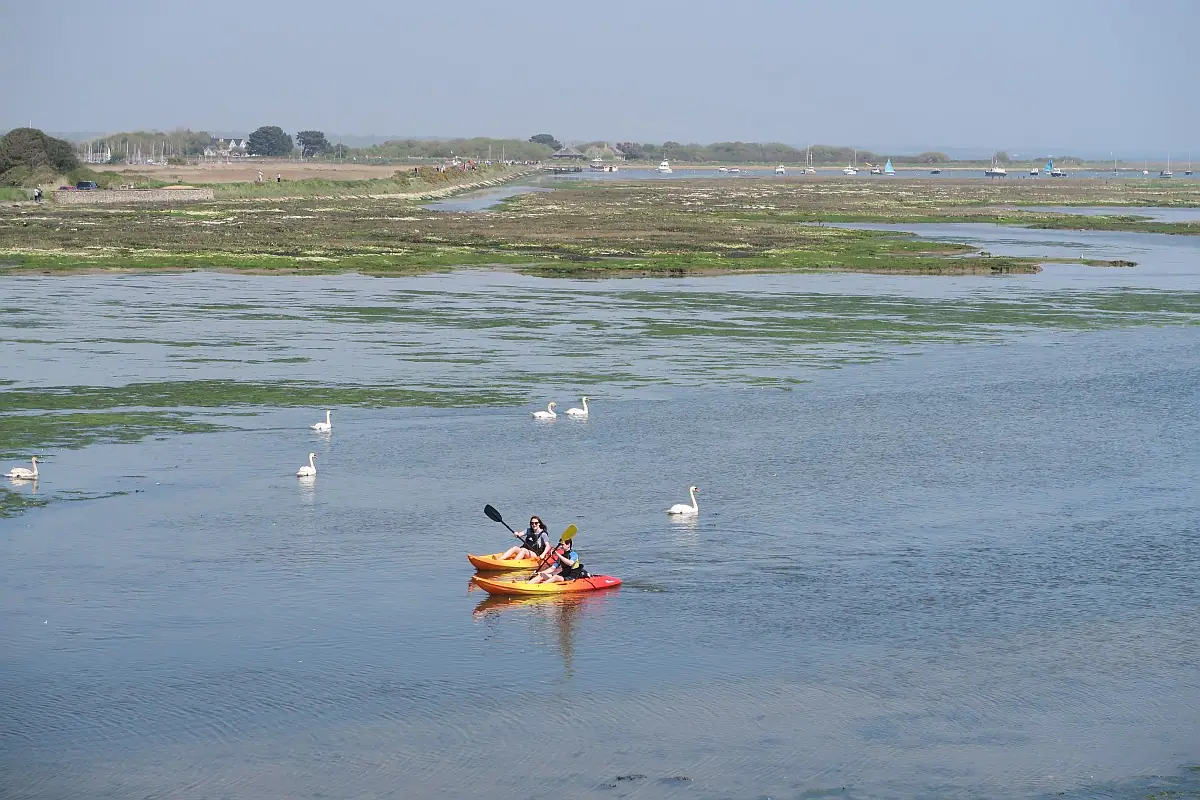
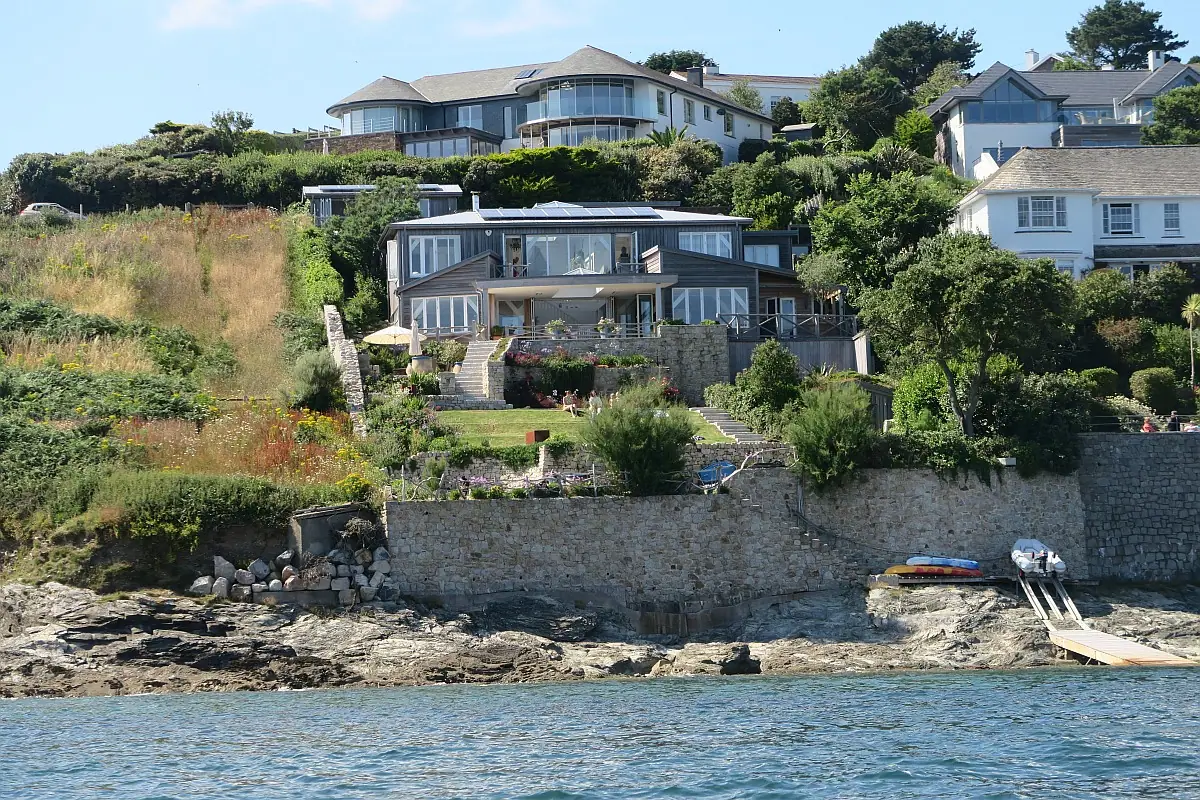
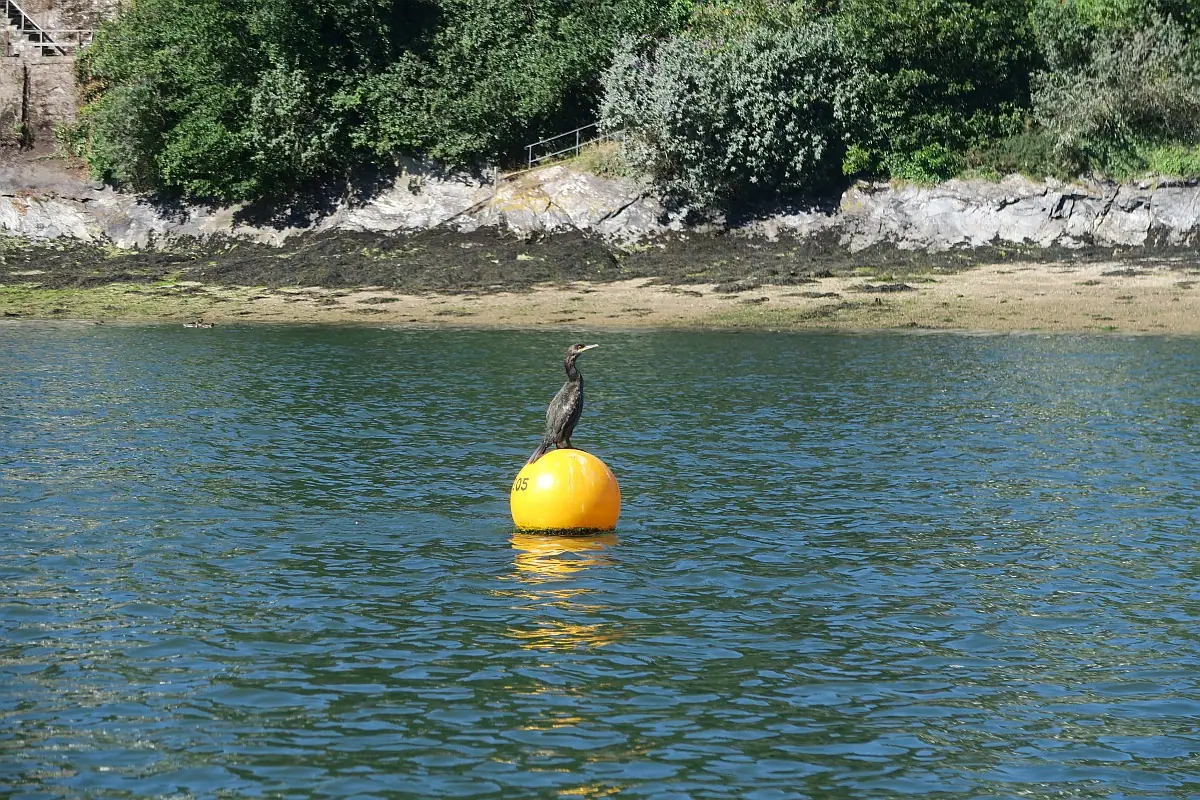
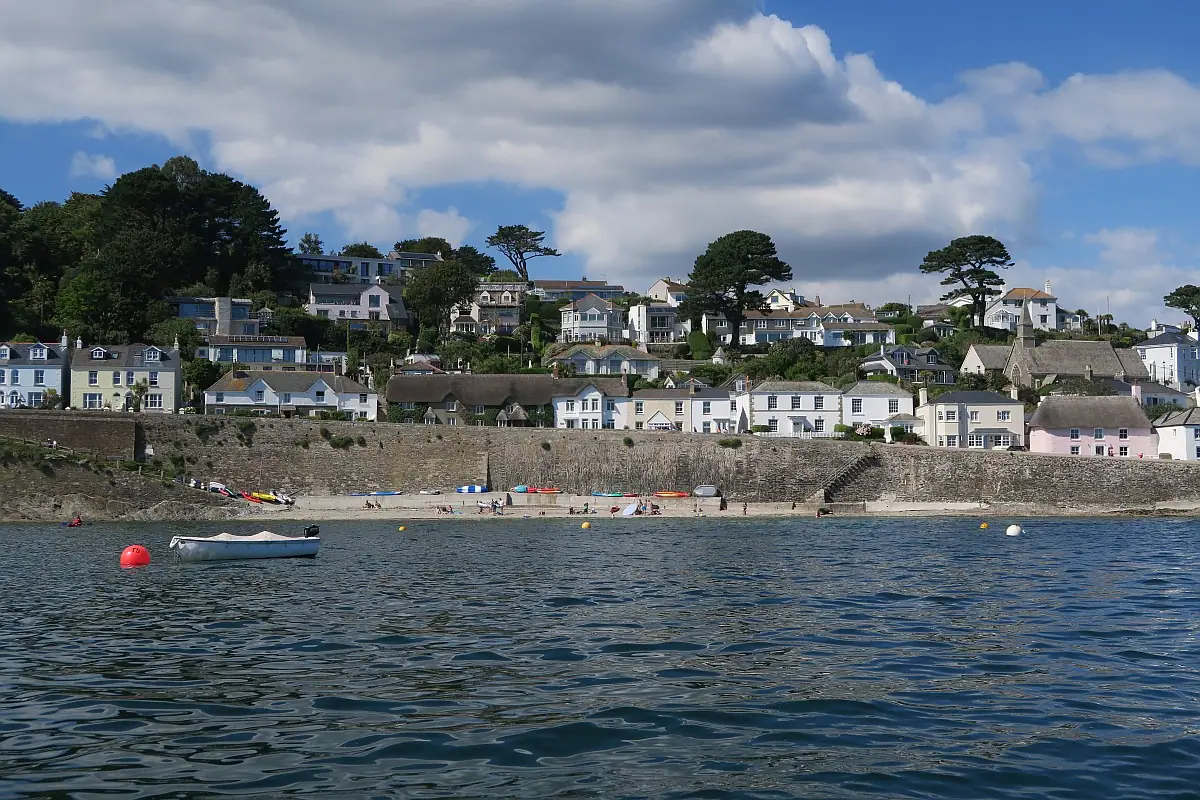
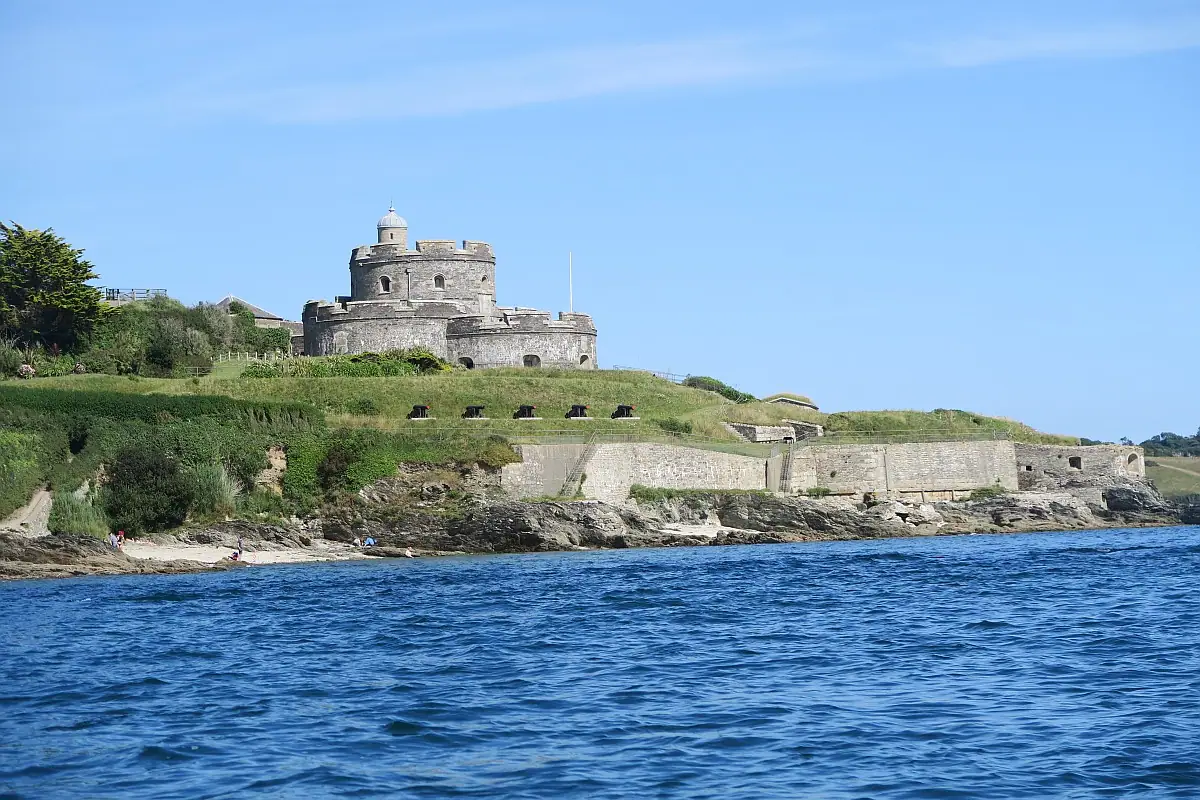
The Carrick Roads is the estuary of the River Fal on the south coast of Cornwall. This area is navigable all the way from Falmouth to Truro, but you have to be aware of the tides. When you explore the coastline you can spot historic castles, egrets, kingfishers and herons. You will also be able to find secluded beaches, lovely creeks and cute harbours. The picturesque towns of Falmouth and St Mawes offer a great place for an ice cream break.
The highlight of the trip: Finding secluded beaches and caves.
Who do I recommend this trip: People who enjoy a paddle with a lot to explore.
Facilities: Pubs, restaurants and shops in St Mawes and Falmouth.
Where to launch: Many possibilities to launch your own boat. A few examples are the beaches at Falmouth and St Mawes. Mylor Yacht Harbour is another great option.
How to get there: There is a car park at Mylor Yacht Harbour, Falmouth and St Mawes town. Alternatively you can take the train to Falmouth.
Duration: You can spend a whole day paddling and exploring the Carrick Roads Estuary or just a few hours, depending on your fitness level and mood.
Difficulty: Easy
Potential danger: Sailing in the Carrick Roads is also very popular, so watch out for the boats. Also keep an eye on the tide and wind conditions.
Where to book: Gylly Adventures, St Mawes Kayaks, Roseland Paddle & Sail, Loe Beach Watersports Centre, and Falmouth River Watersports offer kayak and SUP rental. There is also a possibility to book a guided kayak tour.
Plan your trip: Falmouth & Mevagissey Map
Where to stay:
Best Cottages/Hotels in the area
Campsites
Coastland at Mylor Harbour
The Norfolk Broads
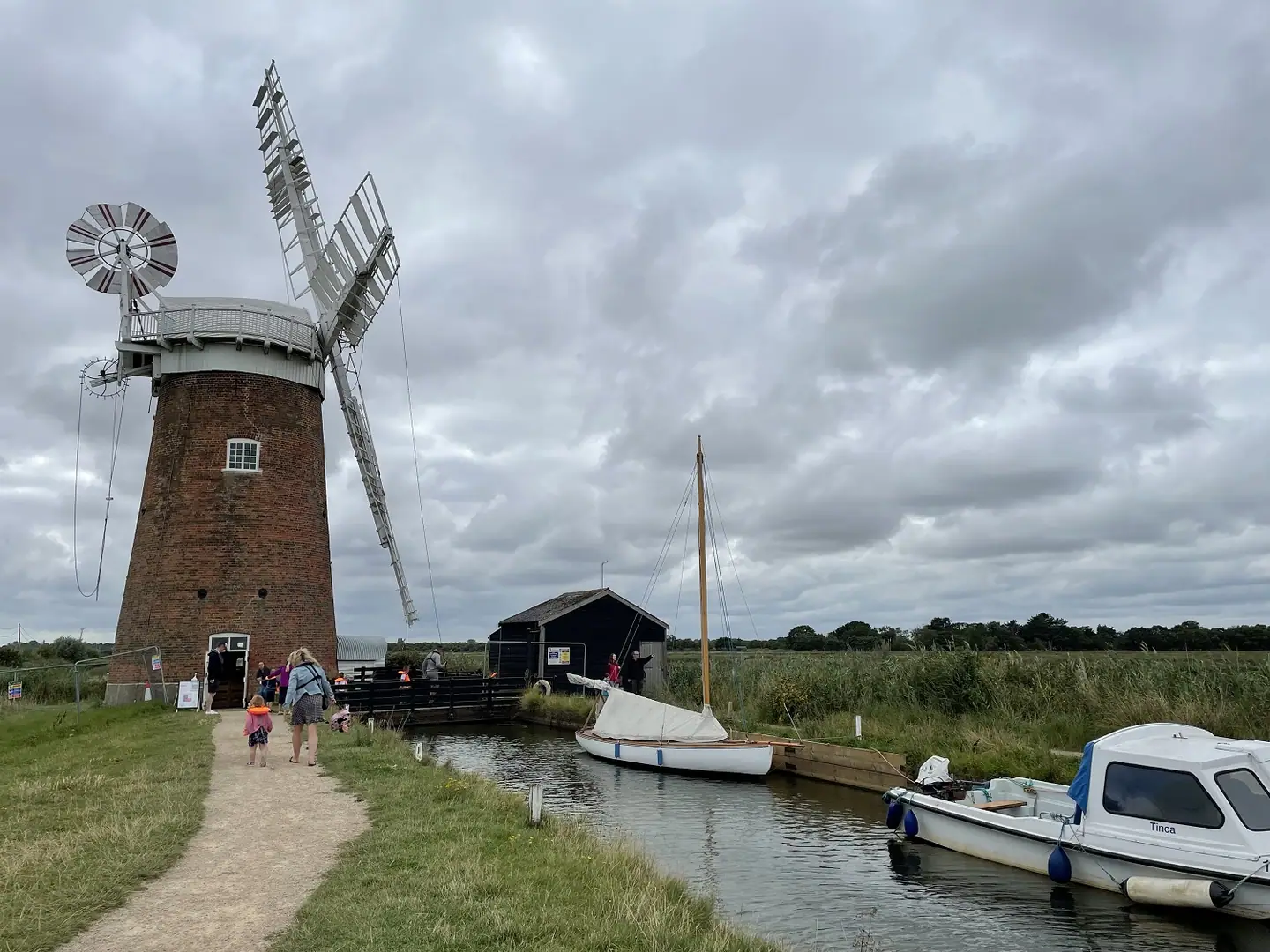
The Norfolk Broads is a great place for a tranquil paddle. It consists of a network of mostly navigable rivers and lakes. While a lot of the area is popular with motorboats, there are many backwaters, that are only accessible by smaller boats, like canoes and kayaks. These little nooks are often inaccessible for pedestrians as well. They are however very rich in wildlife and act as a nature reserve. Paddle away from the edges and don’t disturb the breeding birds.
The highlight of the trip: Seeing the wildlife, like otters and different birds.
Who do I recommend this trip: Bird watchers.
Facilities: Lots of lovely waterside accommodation options and pubs.
Where to launch: Many possibilities to launch your own boat. This map shows you some slipways and launching points. All canoes, kayaks and stand-up paddleboards (including inflatables) are required to a toll. If you have a British Canoeing membership, then you are exempt from paying this charge.
How to get there: Most canoe rental places will have information about parking information if you are by car. You can take the train to Hoveton & Wroxham, which is the start of many canoe trails.
Duration: There are many different routes you can take. Some are only for a few hours, others could be for a whole day or even as an overnight trip.
Difficulty: Easy
Potential danger: Look out for bigger boats.
Where to book: Salhouse Broad, TheCanoeMan, Martham Boats, Banks Boats & Canoe Hire and Norfolk Outdoor Adventures offer canoe rental. Some places also offer guided tours and courses.
Plan your trip: Norfolk Broads Canoe and Kayak Guide
Where to stay:
Best Waterside Cottages/Hotels in the area
Campsites
Salhouse Broad
Norfolk Broads Caravan Club Site
Willowcroft Camping & Caravan Park
Ferrygate Camping
Waxham Sands Holiday Park
The Great Glen Canoe Trail
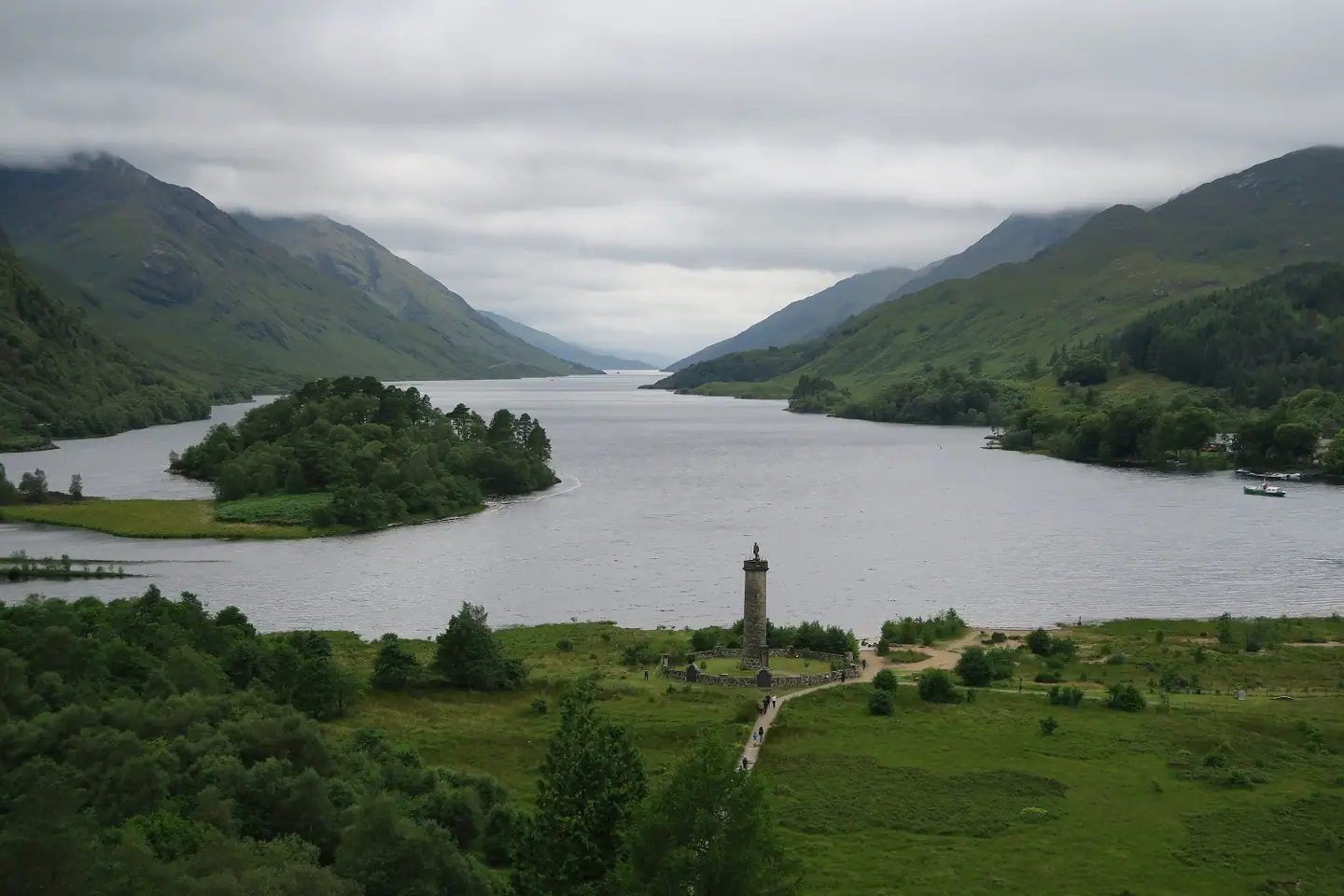
Crossing Scotland via the Great Glen Canoe Trail is a classic overnight canoe journey. The trail follows the Caledonian Canal and the lochs of the Great Glen. It consists of 22 miles of man-made canal and 38 miles of open water on the lochs. It is Scotland’s first dedicated long-distance canoe trail and has a great infrastructure in terms of launch points, landing sites, waterside pubs, shops and campsites. The route includes 29 locks which must be portaged around.
The highlight of the trip: Seeing the wildlife, historic castles and rolling hills.
Who do I recommend this trip: People who like a challenge and adventure.
Facilities: Lots of waterside pubs, campsites and shops along the way.
Where to launch: Many possibilities to launch your own boat. This map shows you some of the launch sites. You should also register your trip here.
How to get there: Many parking facilities at Fort William. You can also take the train to Fort William, which is the recommended starting point.
Duration: You will have to cover about 60 miles. To do the whole trail, you should expect to spend about 5 days at a leisurely pace.
Difficulty: Medium – Ideally you should have some previous open water experience to cope on this multi-day canoe trip.
Potential danger: Look out for bigger boats and the changing weather. You will also have to portage around all 29 locks and some bridges. The recommended direction is from Fort William to Inverness. This is to have the prevailing south-westerly wind at your back.
Where to book:
Plan your trip: Scottish Canoe Classics
Where to stay:
Best Waterside Cottages/Hotels in the area
Campsites
Loch Ness Shores Camping & Caravanning Club Site
Safety
Over the last few years, paddling became more popular, as inflatable kayaks and paddleboards appeared. It made this recreational activity more affordable for people. This resulted that every year the RNLI gets a huge amount of call-outs to rescue inexperienced paddlers.
Please remember to paddle within your limits, stay close to the shore and think about how you will get back. Check the weather forecast regularly, especially keep an eye on the wind.
Remember to ALWAYS wear a buoyancy aid no matter your level of experience! I would also highly recommend you buy a satellite communicator for emergencies!
Kayaking for beginners in the UK
Kayaking for beginners in the UK is easy to arrange, and you don't need to buy a boat first. Most people follow the same route: a taster session, then a short course, then guided or self-guided trips.
1. Book a taster on sheltered water. Choose a lake, canal or slow river for your first session. Typical 2026 prices:
- Lee Valley White Water Centre's Explore Kayaking session costs £17.50 for 60 minutes, and its Intro to Flat Water Kayaking course is £85.
- Nomad Sea Kayaking in Suffolk runs a 3-hour Kayak Taster at £85 per person (ages 18+).
- Self-hire is cheaper once you can steer. For example, Buzz Active on the Cuckmere charges £17.50 an hour for a single kayak.
2. Take a Paddle UK award. Paddle UK's beginner Paddle Awards run on sheltered water and need no previous experience:
- Paddle Start is your first time "having a go".
- Paddle Discover builds the skills and decision-making you need to paddle on your own.
- Paddle Explore prepares you to choose where you go next.
There's no fixed course length; it depends on how quickly you progress. Clubs and activity centres across the UK run them. Paddle UK's Go Paddling website lists providers near you.
3. Sit-on-top or sit-in? - A sit-on-top kayak is open. You sit on top of the deck, and if you fall off you can climb back on. That makes it the usual choice for beginners, warm days and sea tasters. - A sit-in (closed-cockpit) kayak is faster and keeps you drier, and you can fit a spraydeck. But you need to know how to get out if you capsize. Some hire companies won't rent sit-in kayaks to beginners: Wye Canoes, for example, asks for previous closed-deck experience before hiring single kayaks. - For a first multi-day trip, an open canoe is often the easiest option. It is stable and has room for kit, and it is what most of the river holidays below use.
4. Always wear a buoyancy aid, and start with a guided trip whenever the water is tidal, open or fast-flowing.
Kayaking and canoeing holidays in the UK (2026)
Several companies run kayaking holidays for beginners. On the classic routes you can also hire boats and go self-guided. These options were all checked as available in November 2026:
| Route | Where | Typical length | Guided or self-guided | Booking notes (Nov 2026) |
|---|---|---|---|---|
| River Wye | Herefordshire / Wye Valley | 2–3 days to Symonds Yat (longer trips possible) | Mostly self-guided hire | Wye Canoes offers Hoarwithy to Symonds Yat (2 days) and Hereford to Symonds Yat (3 days). Book self-guided trips online, or call 01600 890027 for guided trips. |
| Great Glen Canoe Trail | Fort William to Inverness | About 60 miles, 3–5 days | Both | Active Outdoor Pursuits: guided 5 days, £595 per person, kit and camping included, 2027 dates July–September. Register self-guided trips with Scottish Canals (free). |
| River Spey Descent | Newtonmore/Kingussie to Spey Bay | 5 days, 4 nights camping | Guided | Active Outdoor Pursuits: £595 per person, 2027 dates on 12 July, 16 August and 13 September. Grade II rapids, so suits water-confident beginners. |
| Norfolk Broads | Wroxham, Norwich, Beccles and more | Half day to overnight | Both | TheCanoeMan lists hire and Overnight Canoe Trails; guided trips have finished for 2026, with 2027 dates out. Free trail maps on Visit the Broads. |
| Lake District | Derwentwater, Ullswater, Coniston, Windermere | Day trips to overnight | Both | Keswick Canoe and Bushcraft runs half-days up to an overnight canoe expedition. Hire from Coniston Boating Centre, Derwent Water Marina, Glenridding Sailing Centre or Brockhole. |
| River Thames | Henley to Windsor | 2 days, 1 night | Self-led | Canoe & Kayak Adventures (Windsor) runs two-day camping trips. It is closed for winter, so check the 2027 season. |
River Wye. This is the classic multi-day canoe trip in the UK for beginners. According to the Environment Agency, there is a confirmed public right of navigation between Hay-on-Wye and Chepstow. That right does not include the banks, so you need the landowner's permission to launch, land or camp, unless you use accepted public sites or a campsite. Above Hay Bridge the navigation right is disputed, and the upper river isn't recommended for beginners. Read the Environment Agency and Paddle UK River Wye Paddle Guide before you go.
Great Glen Canoe Trail. About 60 miles of the route crosses open lochs, including Loch Ness, so Scottish Canals recommends previous open-water experience or a guide. Informal camping is only allowed at designated spots, for single nights. Campfires are not allowed, and the canal has winter maintenance closures.
Norfolk Broads. The Trinity Broads (Ormesby, Rollesby, Filby, Ormesby Little and Lily) are private and closed to paddle craft. The lower tidal reaches aren't advised for canoes.
Lake District. Windermere's registration scheme applies to powered boats (2026: £48 for a new registration). It doesn't mention canoes or kayaks; if you're unsure, check with the National Park Authority.
Do you need a licence to kayak or canoe in the UK?
England. Most canals and many rivers need a licence, including for inflatables and paddleboards: - Paddle UK membership covers Canal & River Trust waterways, Environment Agency rivers and the Broads. Adult "On the Water" membership costs £65 for new members or £54 to renew, from 1 April 2026. Family and youth rates are also available. - If you only paddle occasionally, the Canal & River Trust sells small craft licences from around £5 per day. - On the Broads, without Paddle UK membership you need a 7- or 14-day short-visit toll or an annual toll. - A waterways licence does not cover reservoirs.
Wales. Canoe Wales (Paddle Cymru) membership covers Welsh canals and licensed rivers. On the Wye, read the Environment Agency guidance described above.
Scotland. The Land Reform (Scotland) Act 2003 gives everyone access rights to most inland water (rivers, lochs, reservoirs and canals) for non-motorised craft such as canoes and kayaks, as long as you act responsibly. The rights don't cover fishing, and they don't extend to motorised boats. The Scottish Outdoor Access Code asks you to: - give anglers space; - launch where you won't damage the banks; - avoid gravel spawning beds in late autumn and winter; - clean, check and dry your kit between waters (biosecurity).
Frequently asked questions
What are the best canoe trips in the UK?
Classic multi-day canoe trips in the UK include the River Wye to Symonds Yat, the Great Glen Canoe Trail from Fort William to Inverness, the River Spey Descent and the Thames from Henley to Windsor. For day trips, the Cuckmere, the Norfolk Broads, Beaulieu River and the Carrick Roads (all described above) are good choices. Which one is best depends on your experience: rivers and canals are easier than open lochs or the sea.
Where is the best place to kayak in the UK for beginners?
Sheltered, slow water is best for beginners: the Wye below Hay-on-Wye, the Norfolk Broads, the Thames above Teddington, and lakes such as Derwentwater or Coniston. A taster session or a Paddle UK Paddle Start or Paddle Discover award will give you the basics. Avoid tidal water, open lochs and the sea until you've had some instruction or can go with a guide.
Are there multi-day canoe trips in the UK for beginners?
Yes. The River Wye is the best-known self-guided option: Wye Canoes runs 2- and 3-day trips that finish at Symonds Yat. If you'd rather go guided, Active Outdoor Pursuits' 5-day Great Glen Canoe Trail and River Spey Descent (both £595) need no previous experience, though you do need to be confident in water, and 1–2 day skills courses are offered beforehand.
Do I need a licence to kayak in the UK?
In England and Wales you usually need one for canals and most rivers. You can get it through Paddle UK or Canoe Wales membership, or with a Canal & River Trust licence from about £5 a day. Hire companies and guided trips normally include the licence. In Scotland, the Land Reform (Scotland) Act 2003 gives access rights to most inland water for responsible, non-motorised paddling, so in most cases you don't need a licence.
How much does a kayaking holiday in the UK cost?
A guided 5-day canoe expedition such as the Great Glen or Spey costs around £595 per person with Active Outdoor Pursuits. That includes boats, tents and expedition food. Self-guided river hire on the Wye is cheaper but varies by route and group size; check the operator's booking page for current prices. A one-hour beginners' taster costs from about £17.50.
Can you wild camp on a canoe trip in Scotland?
Access rights in Scotland include responsible wild camping. On the Great Glen Canoe Trail, though, Scottish Canals limits informal camping to designated spots for single nights, with no campfires. Elsewhere, follow the Scottish Outdoor Access Code: camp in small numbers, leave no trace and keep away from buildings and roads.
ActivitiesEnglandEuropeKayaking/CanoeingScotlandUnited KingdomWales

join the conversation
Comments
No comments yet. Be the first to share your thoughts!