Travel guide
How to Save Money on UK Outdoor Trips: Railcards, Memberships, Free Parking and Cheap Places to Stay
Outdoor trips in the UK don't have to cost a fortune. Here are the railcards, memberships, parking tricks and cheap stays that really save money in 2026.
Do outdoor trips in the UK have to be expensive? Train tickets, parking, campsites and petrol add up so quickly. A weekend in the Lake District can easily cost more than a cheap flight abroad! But the hills, beaches and forests themselves are free. You just need to be a bit clever about how you get there and where you sleep.
Travelling on a budget has always been a big part of this blog. We have taken the train to the Peak District with a railcard, walked from the station to a forest campsite, slept in our car and swapped homes instead of paying for hotels. So in this guide I share the tricks that really save money, with the 2026 prices for railcards and memberships.
This post may contain affiliate links. If you make a purchase through one of these links, I may receive a small commission at no extra cost to you. As an Amazon Associate, I earn from qualifying purchases.
Quick answer
- Railcards: most cost £35 a year and give 1/3 off most rail fares. The Family & Friends Railcard also gives 60% off for children aged 5–15.
- Buses: most single bus fares in England outside London are capped at £3, dropping to £2 from 1 January 2027 on participating services.
- Memberships: National Trust (£100.80 a year for an adult in 2026) and English Heritage (£84) both include free parking at most of their sites.
- Cheap stays: small members-only campsites from about £10 a night, free mountain bothies, wild camping in Scotland and on Dartmoor, car camping and home exchange.
- Food and kit: cook your own meals, use supermarket food instead of pricey expedition meals, and improvise before you buy.
Save on getting there
Railcards
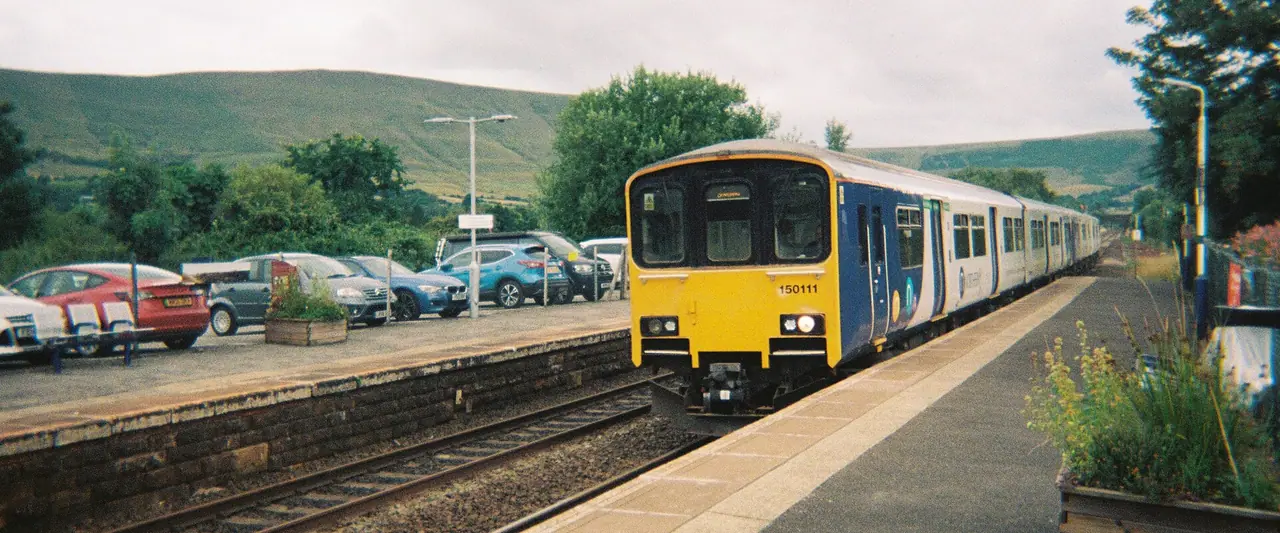
If you take the train even a couple of times a year, a railcard usually pays for itself. On our weekend getaway to the Peak District we took the train to Hope, and I really suggest getting a railcard if you don't have one, as it saves lots of money!
| Railcard | Who it is for | Price (2026) | Discount |
|---|---|---|---|
| 16-25 | Ages 16–25 and some mature students | £35 a year or £80 for 3 years | 1/3 off |
| 26-30 | Ages 26–30 (digital only) | £35 a year | 1/3 off |
| Two Together | Two named adults travelling together | £35 a year | 1/3 off, after 9:30 am on weekdays |
| Family & Friends | Up to 4 adults and 4 children | £35 a year or £80 for 3 years | 1/3 off adults, 60% off children aged 5–15 |
| Network | London and the South East | £35 a year | 1/3 off |
| Senior | Age 60 and over | £35 a year or £80 for 3 years | 1/3 off |
| Disabled Persons | Eligible disabled people and one companion | £20 a year or £54 for 3 years | 1/3 off |
Some railcards have weekday morning restrictions or minimum fares, so check the terms on the Railcard website before you travel. Also buy Off-Peak tickets where you can, and book Advance tickets early for long trips.
The train opens up so many hikes. Our 17 places to go hiking near London by train are all car-free, and for our cycling getaway to the New Forest we took the train to Brockenhurst and walked about a mile to our campsite. No petrol, no parking fees!
Buses
Rural buses are a great way to start a linear walk and get back without a car. In England outside London, most single bus fares are capped at £3 until the end of 2026. From 1 January 2027 the cap drops to £2, and it runs until 31 December 2027. Operators take part voluntarily, so check that your route is included.
Driving and parking
If you drive, share the car with friends and split the cost. Parking fees in popular places add up quickly, so:
- Look for free car parks. For our Sundon Hills to Sharpenhoe Clappers walk, both the country park car park and the National Trust car park at Sharpenhoe were free.
- Arrive early. Free spaces and lay-bys fill up first, especially on sunny weekends.
- Check the posts on this blog. In my walk guides I list the car parks, prices and free options. For example, at Padley Gorge there is a small free lay-by at the top of the gorge.
- Park considerately. Never park on verges or block gateways. A parking ticket or a tow will cost far more than the car park!
Memberships that pay for themselves
National Trust
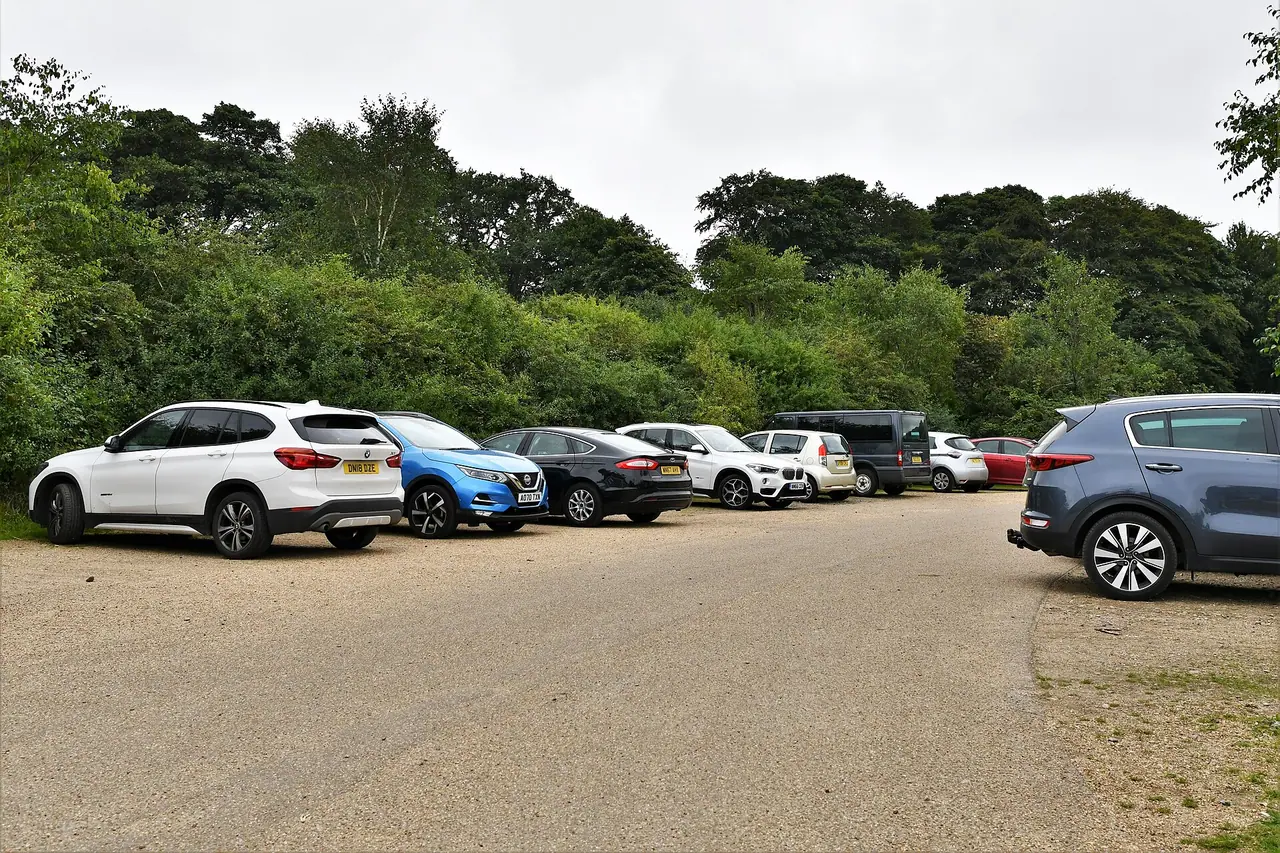
The National Trust looks after huge areas of countryside and coast, not just stately homes. Members get free entry and free parking at most National Trust car parks. This adds up fast in places like the Peak District. At the Longshaw and Haywood car parks near Padley Gorge, parking costs £6 for up to 4 hours. Members park free, but you must check in on every visit.
Prices (from March 2026):
- Adult (26+): £100.80 a year
- Young person (18–25): £50.40 a year
- Joint (two adults at one address): £168 a year
- Family (two adults and children): £176.40 a year
You can pay monthly by Direct Debit at no extra cost. If you visit a few National Trust car parks a month, it is definitely worth it.
English Heritage
English Heritage looks after more than 400 sites, including castles and ruins in gorgeous walking country. Members visit as often as they like, get free parking at most sites, and each adult member can bring up to six children or grandchildren under 18 for free. In 2026 adult membership is £84 a year, young adult or student £44, and joint £149.
Camping clubs
If you camp or have a campervan, a club membership can save you a lot.
- Camping and Caravanning Club: members get access to over 800 small Certificated Sites across the UK. Each takes up to 5 caravans or motorhomes and 10 tents, and camping fees start from £10 per unit per night.
- Caravan and Motorhome Club: its members-only Certificated Locations take up to five caravans, motorhomes or trailer tents at a time. Roof tents are not allowed at CLs.
Small sites like these are usually quieter and cheaper than big holiday parks, but facilities are basic.
Cheap places to stay
Campsites
Camping is still the cheapest way to stay near the hills. We stayed at Laneside Caravan Park in Hope on our Peak District weekend, and the campsites in the Hope Valley are only a few minutes' walk from the stations. So you don't even need a car. A lightweight tent makes car-free camping much easier. The MSR Hubba Hubba is the 2-person tent I recommend in my wild camping equipment checklist.
Wild camping
Wild camping is free, but in the UK it is only a legal right in certain places:
- Scotland: the Scottish Outdoor Access Code allows lightweight camping in a tent. Around Loch Lomond you need a permit in the Camping Management Zones from March to September. It costs £4.50 per night.
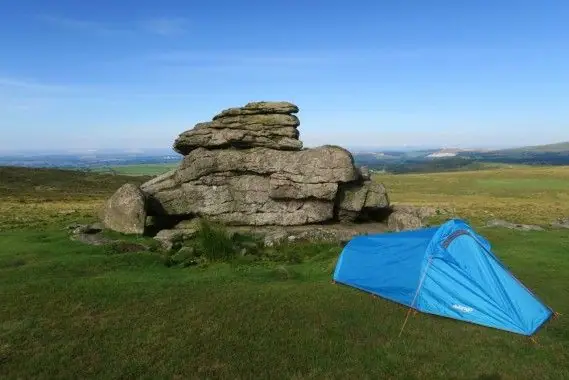
- Dartmoor: in May 2025 the Supreme Court confirmed the public's right to camp on the Dartmoor Commons. Only pitch in the areas shown on the National Park's camping map. Read my post about wild camping on Dartmoor.
- Everywhere else in England and Wales: you need the landowner's permission.
Always leave no trace, arrive late and leave early.
Bothies
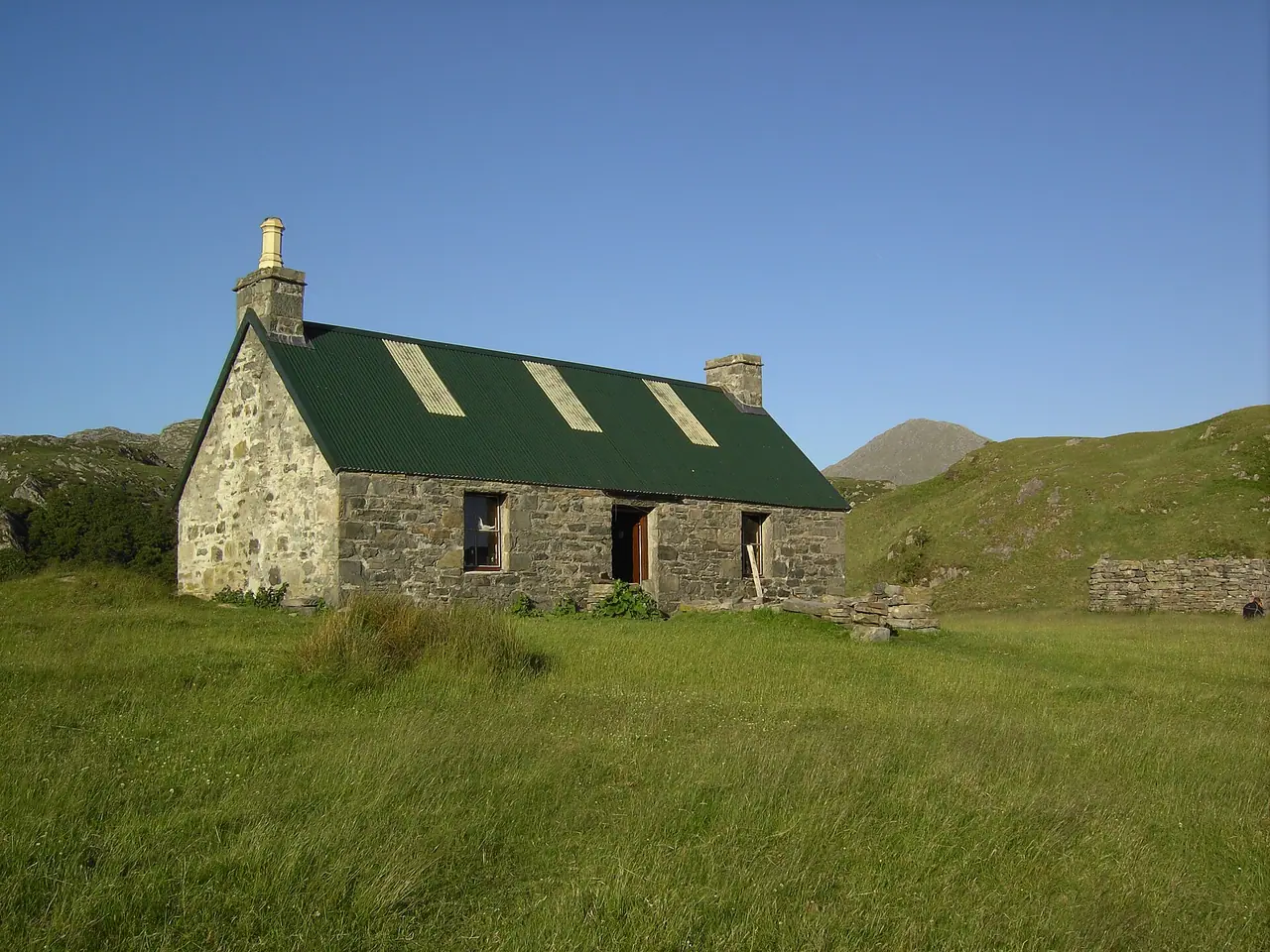
Mountain bothies are simple shelters in remote places. The Mountain Bothies Association looks after about 100 of them in Great Britain. They are free to use and you can't book, so you just turn up. Expect a dry roof and not much else. There are no beds, no taps and no toilets, and you need to bring your own stove, food and sleeping bag.
To be honest, bothies creep me out a bit, so I would much rather pitch my tent near one. But we were really grateful for the Arenig Fawr bothy as a shelter from the wind on a hike. Groups of six or more should not use bothies, and please follow the Bothy Code.
Car camping
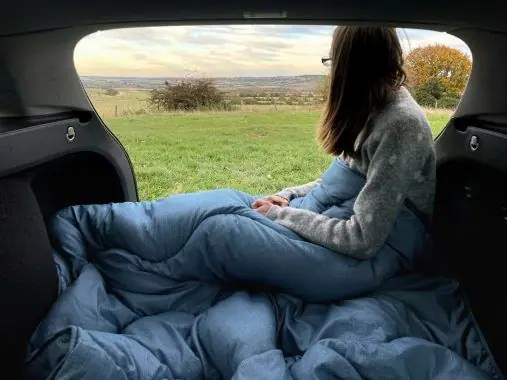
Sleeping in your car saves you the cost of a room, and it is warmer than a tent on a cold night. In the Brecon Beacons we used Park4night to find a quiet spot for the night when the forecast was cold. But be careful, as many car parks have no overnight signs, and some places ban sleeping in vehicles completely. Read my guide to car camping in the UK for the rules, or my guide to where to park a campervan overnight.
Home exchange
With home exchange you stay in someone's home for free while they stay in yours. We did several exchanges, and sometimes we swapped cars too, which saved us the car hire as well. In November 2026 HomeExchange costs US$235 a year for unlimited exchanges. Read about the advantages of home exchange to see if it suits you.
Save on food and gear
- Cook your own meals. Eating out every night on a camping trip really adds up. Our cooking kit includes a Jetboil and a Cadac Safari Chef 2. (Cadac now sells the Safari Chef 2 as the Safari Chef 30.)
- Skip the expensive expedition meals. Freeze-dried meals cost more than ever, so the supermarket ideas in my post about the best food for expeditions are really useful.
- Pack a picnic and a flask. Hill cafés are lovely, but a picnic with a view is free.
- Improvise before you buy. On a hot, sunny car camping trip in the Peak District we made a DIY awning from a picnic mat and our hiking poles. It did the job, but it made me think we needed a proper car awning.
You can read my full Cadac Safari Chef 2 review to see how we use it. Never use it inside a tent, awning or porch, because of the risk of carbon monoxide.
FAQ
Is a railcard worth it for hiking trips?
Usually, yes. Most railcards cost £35 a year and take 1/3 off most fares, so they can pay for themselves on one or two longer trips.
Is National Trust membership worth it for parking?
If you visit National Trust car parks often, it can be. Members park free at most National Trust car parks, and some charge £6 or more for a few hours. An adult membership costs £100.80 a year in 2026, or £50.40 for 18–25 year olds.
Where can I camp for free in the UK?
In Scotland under the Scottish Outdoor Access Code (with permits in parts of Loch Lomond & The Trossachs), and in the mapped areas of the Dartmoor Commons. Mountain bothies are also free. Elsewhere you need the landowner's permission.
How can I get to the countryside without a car?
Take the train with a railcard, then use rural buses, which are capped at £3 a single in most of England outside London until the end of 2026, and £2 from January 2027. Many national parks have stations right by the trails, like Edale and Hope in the Peak District.
What is the cheapest way to stay near the hills?
Camping is usually the cheapest. Small Camping and Caravanning Club sites start from £10 per unit per night for members. Wild camping is free where it is allowed.
What is your best money-saving tip for outdoor trips? Share it in the comments, I'd love to hear it!
Photo credits (4)
All photos on this page are by other photographers and are used under free licences. Thank you for sharing them.
- Cover photo: Train pulling into Edale station - geograph.org.uk - 6949916.jpg by Pierre Marshall, CC BY-SA 2.0, via Wikimedia Commons. Resized and cropped for this page.
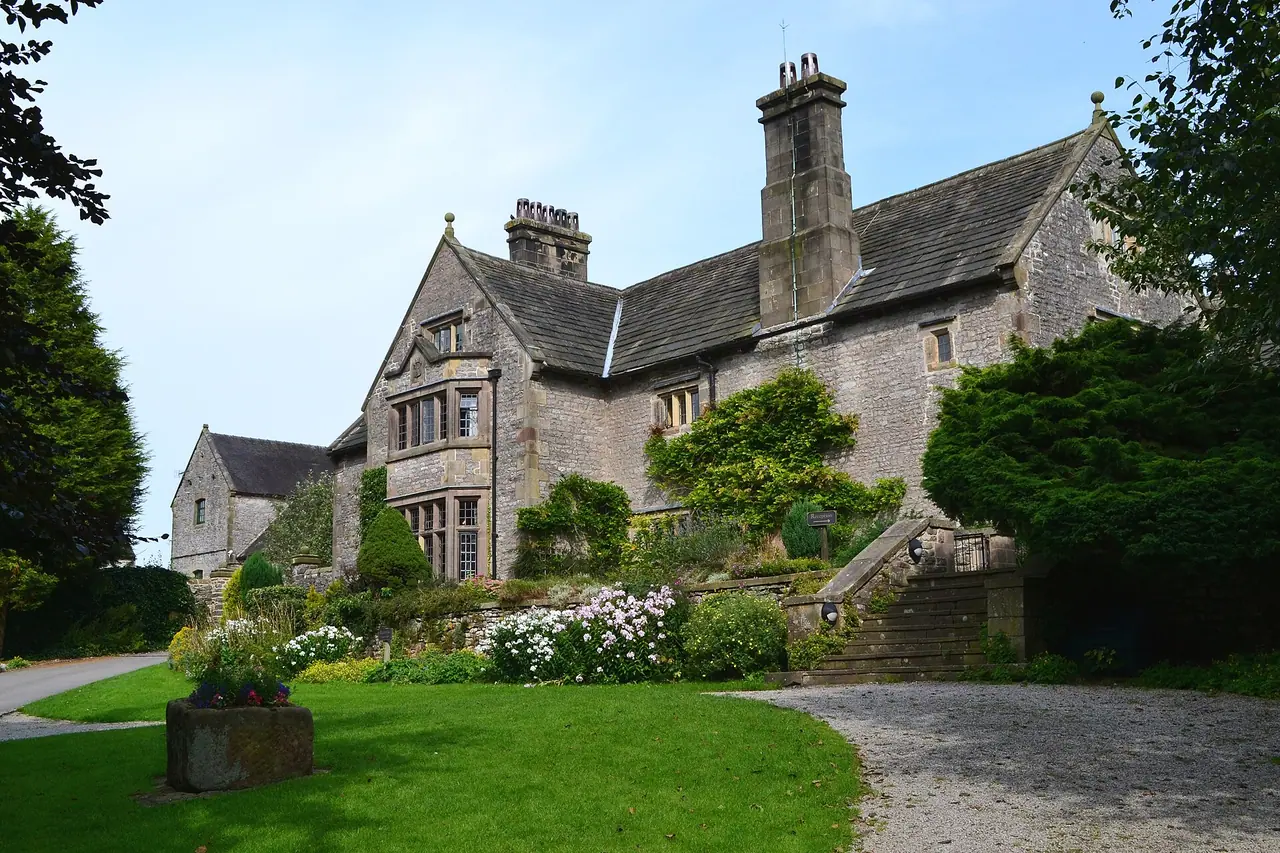
- Photo 2: Hartington Hall - now a youth hostel (YHA) - geograph.org.uk - 3113119.jpg by Neil Theasby, CC BY-SA 2.0, via Wikimedia Commons. Resized for this page.
- Photo 3: Sheringham Park, The National Trust Car Park - geograph.org.uk - 6955855.jpg by Michael Garlick, CC BY-SA 2.0, via Wikimedia Commons. Resized for this page.
- Photo 4: Peanmeanach Bothy (geograph 1940636).jpg by Colin Kinnear, CC BY-SA 2.0, via Wikimedia Commons. Resized for this page.


join the conversation
Comments
No comments yet. Be the first to share your thoughts!