Travel guide
Northern Lights Trip from the UK: Tromsø or Finnish Lapland (Saariselkä) in Winter 2026/27?
 By Eni
Tromsø or Saariselkä for the Northern Lights this winter? I compare flights from the UK, polar night dates, your real chances, forecast apps, huskies and what to wear for −20 °C.
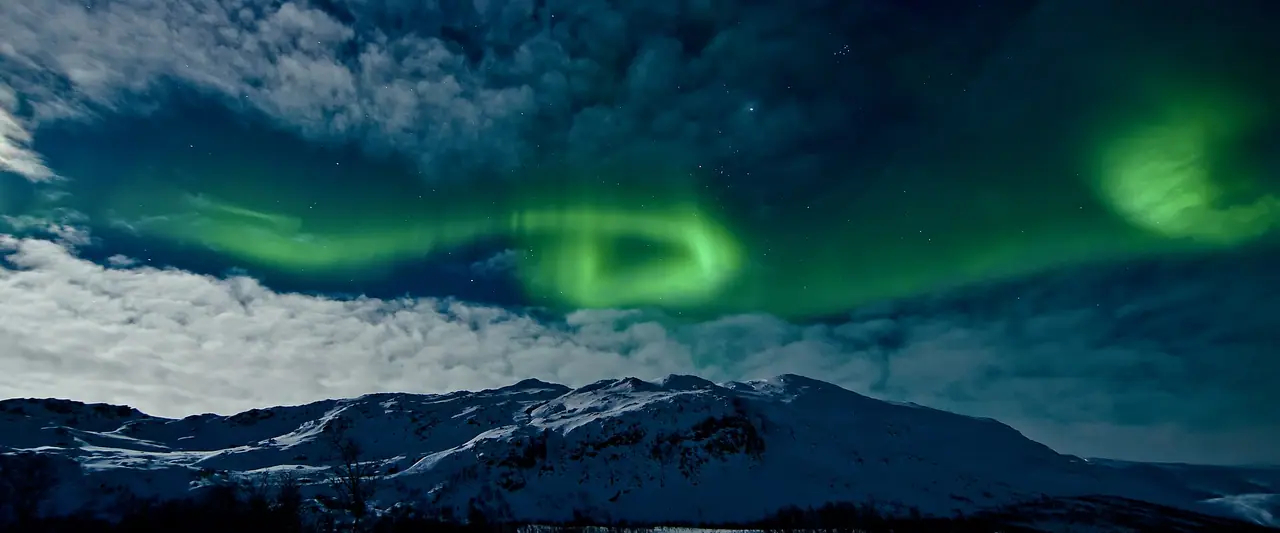
Tromsø or Finnish Lapland: where should you go to see the Northern Lights this winter? You are not the only one asking! Tripadvisor looked at what UK travellers searched for between August and October 2026 for trips from November 2026 to February 2027. Tromsø in Norway came second in Europe and Saariselkä in Finnish Lapland came fourth. So the Arctic is definitely having a moment.
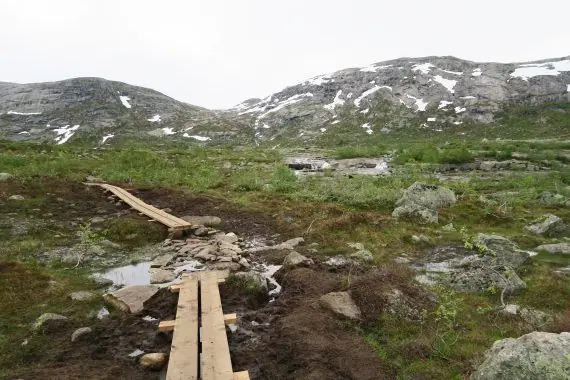
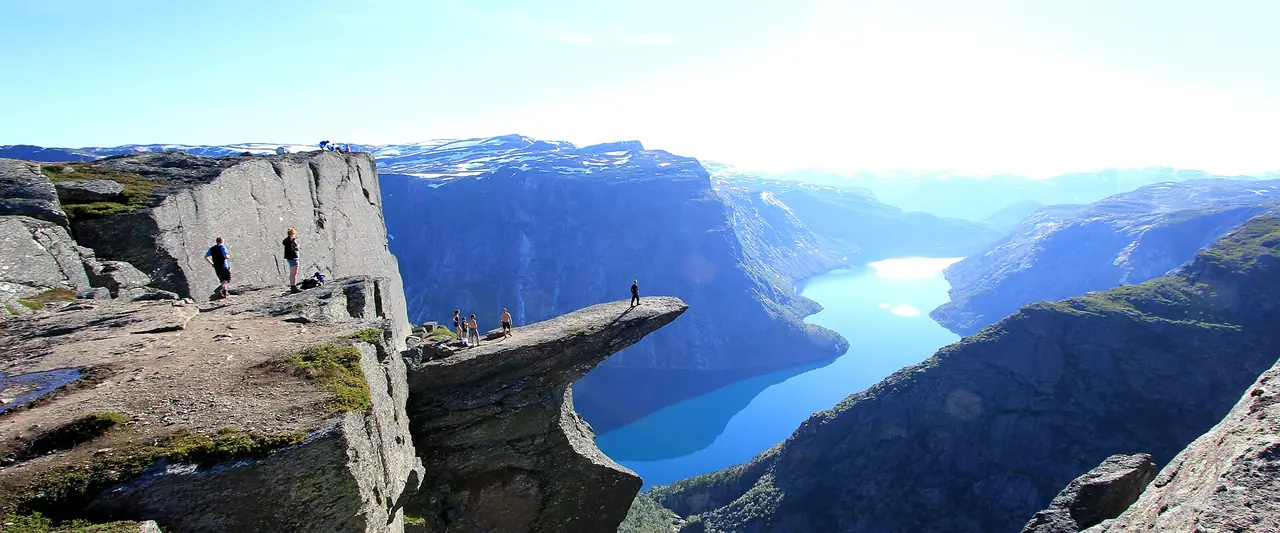
Seeing the Northern Lights has been on my bucket list since 2013, and I still haven't ticked it off. We have only seen Norway in summer, on our 2015 road trip when we hiked Trolltunga. So I've researched both places in detail for the 2026/27 season, to help you (and me!) choose.
This post may contain affiliate links. If you make a purchase through one of these links, I may receive a small commission at no extra cost to you. As an Amazon Associate, I earn from qualifying purchases.
Quick answer
- Choose Tromsø if you want a lively Arctic city with restaurants, a cable car, fjords and lots of tours. The polar night there runs from about 27 November to 15 January.
- Choose Saariselkä if you want a small, quiet village with dark skies right next to a national park, plus snowshoeing, cross-country skiing and husky safaris.
- Getting there: Tromsø has direct winter flights from the UK (as of November 2026). For Saariselkä you usually fly via Helsinki to Ivalo, then take a 30-minute airport bus.
- Your chances: both are far enough north to see auroras often, so clear weather matters more than the place. Plan at least 3–4 nights to give yourself a few chances.
- Forecasts: use Yr (Norway) and the Finnish Meteorological Institute's aurora service while you are there, and AuroraWatch UK at home.
Tromsø vs Saariselkä at a glance
| Tromsø, Norway | Saariselkä, Finland | |
|---|---|---|
| What it is | A city on an island, surrounded by fjords and mountains | A small fell village about 250 km north of the Arctic Circle |
| Nearest airport | Tromsø, about 5 km from the centre | Ivalo, about 30 minutes by airport bus |
| Polar night 2026/27 | About 27 November to 15 January | Shorter, roughly early December to early January |
| Light pollution | High in the city, so you need to get out of town | Low, and the national park starts at the edge of the village |
| Best for | City breaks, fjords, tours, food | Peace, snow, skiing, snowshoeing |
| Currency | Norwegian krone (NOK) | Euro |
Getting there from the UK
To Tromsø
Tromsø has had direct winter flights from the UK for a few years now. British Airways started flying from London Heathrow in December 2024, and the flight takes about 3 hours 35 minutes. Norwegian flew from Manchester in winter 2025/26. For winter 2026/27, local Tromsø media reported easyJet flights from London Gatwick (three a week) and Manchester (two a week) from early November 2026.
Routes and days change every season, so check the airlines' own websites. You can also connect via Oslo.
There is no railway to Tromsø. The nearest train stations are Narvik and Fauske, with a bus onwards. You can also arrive by sea, as Hurtigruten and Havila ships call at Tromsø twice a day all year.
To Saariselkä
Saariselkä's airport is Ivalo, the northernmost airport in Finland. It has daily connections from Helsinki, so most UK travellers fly to Helsinki first. From Ivalo, an airport bus takes about half an hour to Saariselkä. Private transfers cost a lot more.
If you want a slower and greener trip, take the VR night train from Helsinki to Rovaniemi. As of November 2026 a private cabin costs from €59. From Rovaniemi it is about 270 km to Saariselkä by bus. Our guest writer Viktoria found it a very relaxing ride on her trip to Pyhä-Luosto National Park.
Both Norway and Finland are in Schengen, so you will go through the new Entry/Exit System with fingerprints and a photo. I explain how it works in my guide to EES and ETIAS for UK travellers.
Polar night and daylight in 2026/27
Will you be in the dark all day? Not quite!
In Tromsø, Visit Tromsø says the polar night lasts from about 27 November to 15 January. The sun stays below the horizon, but you still get a few hours of soft twilight around midday. The sun comes back in mid-January. However, the mountains around the city hide it for a little longer, so you usually can't see it from the centre until later in January.
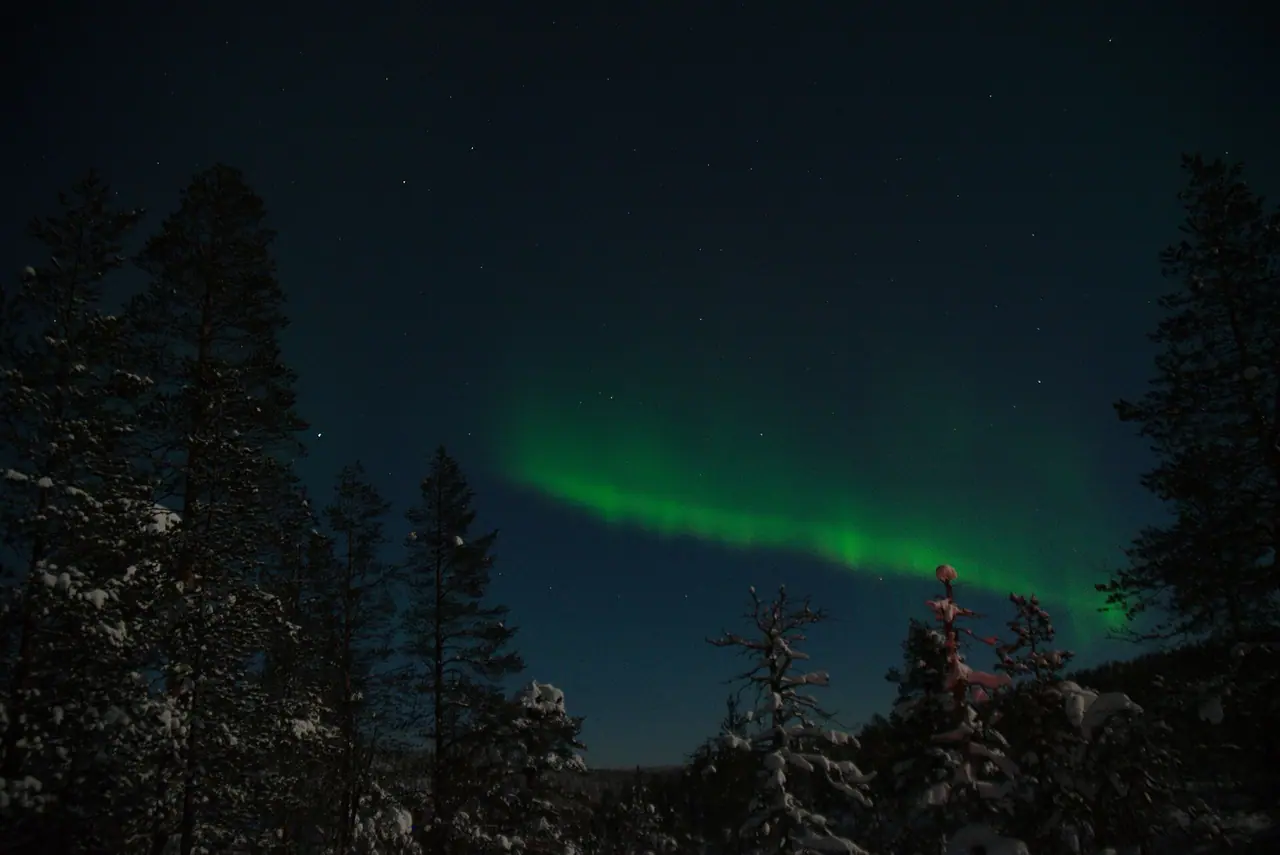
Saariselkä is further south, so its polar night is shorter. Using the NOAA solar calculator, I worked out that the sun stays below the horizon there from roughly the first week of December 2026 until early January 2027. That is about a month. Outside those weeks the days are short, but you get a little proper daylight.
So plan outdoor activities for midday, and use the long nights for aurora hunting.
What are your chances of seeing the Northern Lights?
Nobody can guarantee them, but both places are in a really good spot.
- Season: Visit Tromsø gives the season as late August to early April. You need darkness, so summer doesn't work.
- How often: the Finnish Meteorological Institute (FMI) says its statistics show auroras in the sky on about three nights out of four in the far north of Finnish Lapland, at places like Kilpisjärvi and Utsjoki.
- Best months: FMI says late winter and early autumn are statistically the best times, and it recommends March in particular.
- Best time of night: FMI says the hours either side of midnight are the best. So be ready to stay up late!
The real problem is cloud. The lights are high above the clouds, so on a cloudy night you won't see anything, even during a strong display. That is why the guided chase tours from Tromsø drive to wherever the sky looks clearest. Some trips can be long, so check how many hours a tour lasts before you book.
Light pollution matters too. Yr rates central Tromsø as having "very high light pollution", so get out of the city. In Saariselkä the dark forest starts at the edge of the village.
My tip: stay at least 3–4 nights. The more nights you have, the better your chances of a clear sky.
Aurora forecast tools
These are the free tools I would use, all from official or university sources:
- Yr (Norway): the weather service from NRK and the Norwegian Meteorological Institute. Each place has an "other conditions" page with an aurora forecast for now and the next 3 days, next to the cloud forecast. Check both together.
- FMI auroras and space weather (Finland): it shows live readings from magnetometer stations across Finland. When a station goes yellow, auroras are possible but usually faint. When it goes red, they are very likely to be visible.
- AuroraWatch UK (at home): run with Lancaster University, it gives UK alerts from green to red. An amber alert means you may see the aurora by eye in Scotland, northern England and Northern Ireland. A red alert means it is likely visible across the whole UK. You can follow it on social media or use the third-party apps.
Things to do in the daytime
In Tromsø
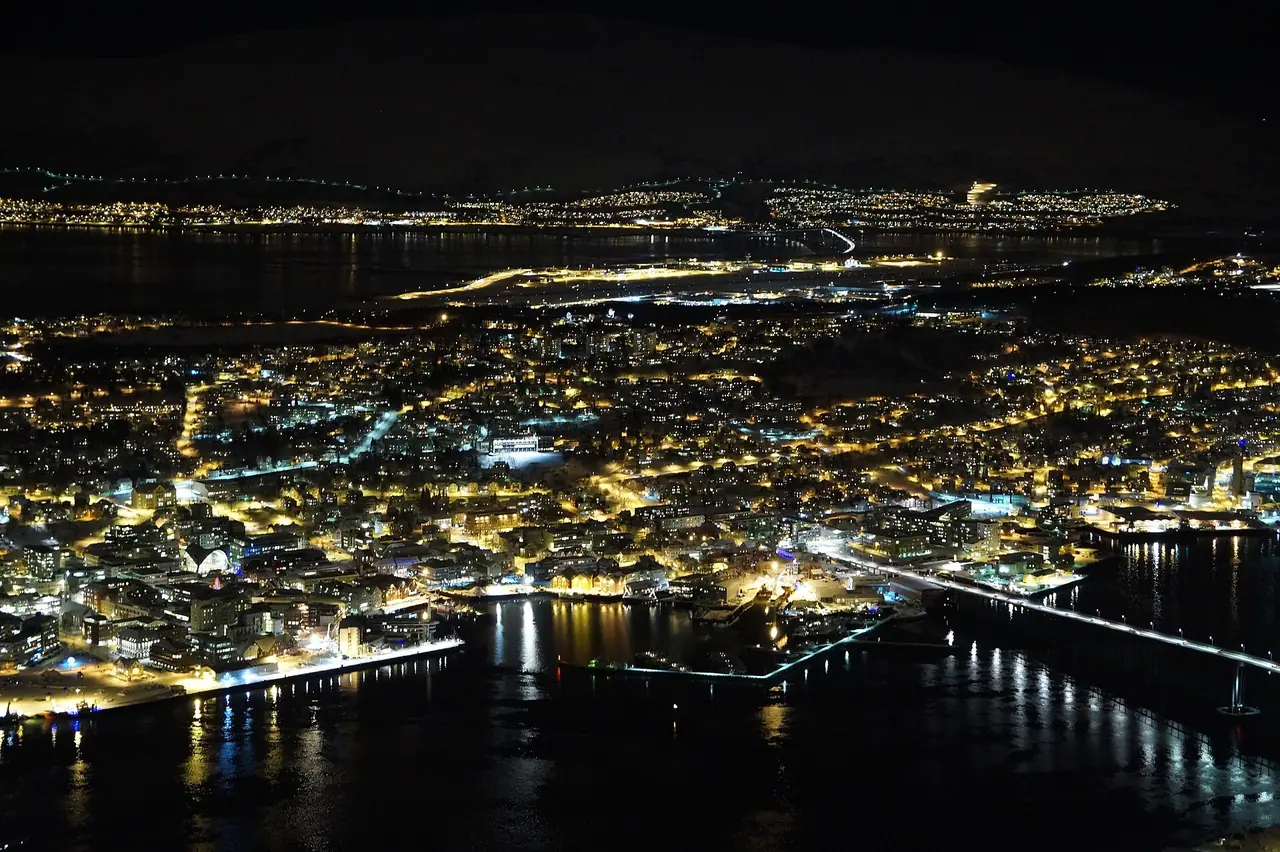
- Fjellheisen cable car: it goes up to 421 m above the city and runs from 9 am until midnight. An adult return costs 645 NOK (as of November 2026). On a clear night it is a great place to watch the lights over the city.
- Husky and dog sledding trips: Visit Tromsø lists them in autumn and winter.
- Sámi culture and reindeer visits.
- Skiing and snowshoeing in the hills around the city.
In Saariselkä
- Cross-country skiing: there are over 200 km of ski trails, and 34 km of them are lit for the dark days.
- Snowshoeing and walking: Urho Kekkonen National Park starts right next to the village and reaches all the way to the Russian border.
- Kaunispää fell: you can reach the top by car all year, and there is a downhill slope back to the village centre.
- Husky and reindeer safaris: several companies run guided tours here all year.
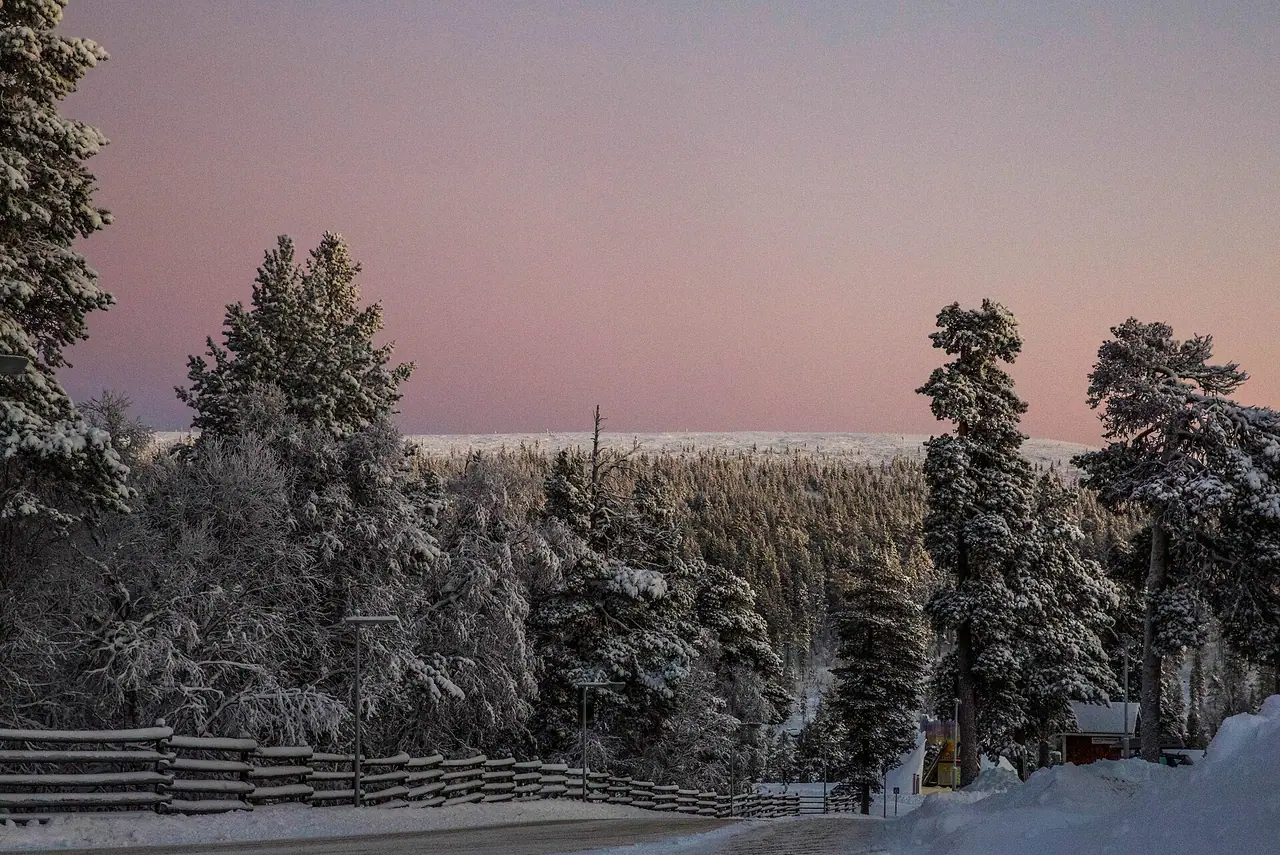
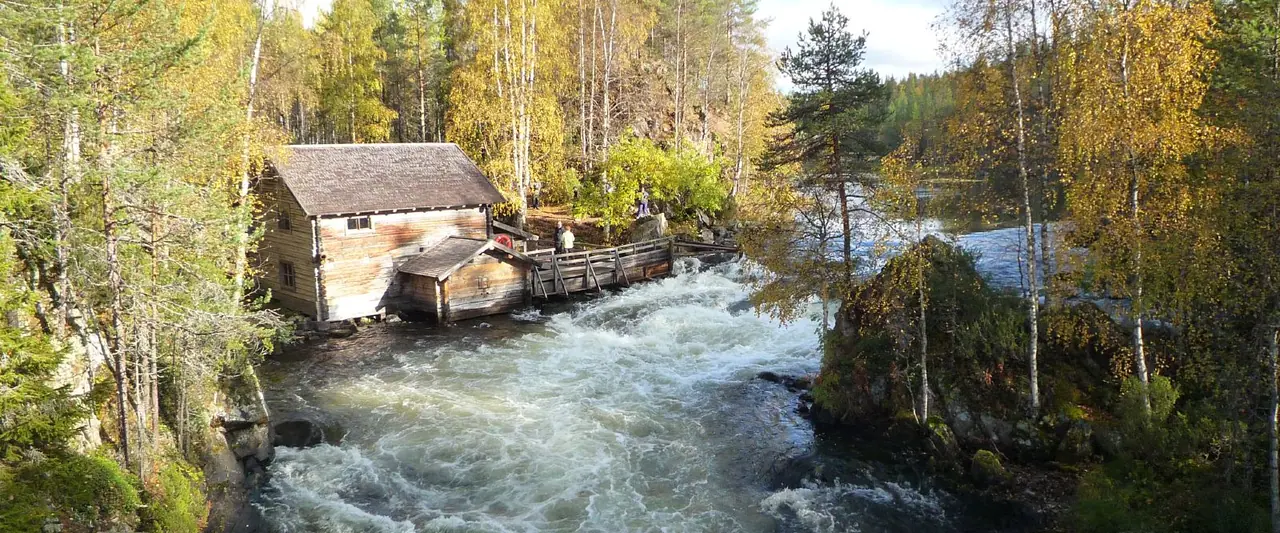
If you love the idea of Finnish wilderness, have a look at our Lapland hiking post too. Viktoria loved the free wilderness huts and the roofed fire pits with firewood in Pyhä-Luosto. And in north-east Finland, the Pieni Karhunkierros in Oulanka National Park is open all year, including in the snowy silence of winter.
Huskies and reindeer: the ethical side
Animal welfare in Arctic tourism is a real concern. Responsible Travel suggests asking a husky operator:
- Can I see where the dogs live, and do they get rest days?
- Does the farm have a no-cull policy, and what happens to old dogs?
- How long is the run and how big is the group? Longer trips in small groups are better than one-hour rides.
Reindeer are timid and not comfortable around dogs, so good husky farms agree their routes with local reindeer herders. For reindeer, I would choose a visit run by a Sámi family or local herder.
Also, check that your travel insurance covers husky sledding, snowmobiling and other winter activities. Standard policies often don't.
What to wear for −20 °C
Lapland Safaris says the usual winter temperatures in Lapland are about −15 °C to −25 °C. It can drop below −40 °C, but that is rare. So what should you pack?
- Base layer: fitted merino wool or synthetic thermals. I love merino, and I've reviewed my Isobaa merino baselayers.
- Mid layer: wool or fleece.
- Outer layer: a windproof jacket, such as a down or ski jacket.
- Hands: mittens are warmer than gloves. Wear thin liner gloves under them so you can take photos. For our cold sunrise shoots at home I use Vallerret photography gloves, which have flip-back fingertips. However, we have only used them at around 0 °C, so for the Arctic I would add mittens on top.
- Feet: wool socks, no cotton, and winter boots at least one size larger than normal so there is room for air.
- Extras: a warm hat, a buff, a head torch and a spare phone battery, as batteries drain fast in the cold.
You don't have to buy everything. Lapland Safaris says thermal clothing is included on all its guided activities, and many operators lend boots too.
If you plan to snowshoe on your own in the national park, take a way to call for help. Phones can die in the cold. The Ocean Signal rescueME PLB1 is one I recommend in my personal locator beacon guide, and it needs no subscription.
Budget tips
Let's be honest, neither Norway nor Finland is cheap. However, you can keep the cost down:
- Chase the lights for free. Check Yr or FMI, then walk to a dark spot away from street lights.
- Self-cater. Book a room with a kitchen and shop in the supermarket.
- Don't buy specialist kit. Guided activities usually include thermal suits.
- Pick one big tour, not five. Choose the husky trip or chase tour you want most.
So which one should you choose?
In my opinion it depends on what kind of trip you want. Tromsø is easier to reach from the UK with direct flights, and it has a lot going on, even when the aurora is hiding. It is perfect for a long weekend.
Saariselkä takes a bit longer to reach, but you get real Lapland: snowy forests, dark skies at your doorstep and lots of space. I think it is the better choice for a calmer week with skiing or snowshoeing in the daytime.
Personally, I'm drawn to Saariselkä for the peace. Which one would you choose?
FAQ
When is the best time to see the Northern Lights in Tromsø or Lapland?
The season runs from late August to early April. Darker months give you longer nights, while FMI says late winter (especially March) and early autumn are statistically the best. The best hours are around midnight.
Are there direct flights from the UK to Tromsø in winter 2026/27?
Yes, as of November 2026 there are direct winter flights from London and Manchester. British Airways flies from Heathrow, and easyJet was reported to fly from Gatwick and Manchester from early November 2026. Check the airlines for current days.
How do I get to Saariselkä from the UK?
Fly to Helsinki and connect to Ivalo, then take the airport bus (about 30 minutes). Or take the night train from Helsinki to Rovaniemi and a bus from there (about 270 km).
Can I see the Northern Lights from the UK?
Sometimes, yes. Sign up for AuroraWatch UK alerts. An amber alert means you may see it by eye in Scotland, northern England and Northern Ireland. A red alert means it is likely visible across the whole UK.
Have you seen the Northern Lights in Norway or Finland? Which place did you choose? Let me know in the comments!
Photo credits (4)
All photos on this page are by other photographers and are used under free licences. Thank you for sharing them.
- Cover photo: Aurora Borealis Tromsø Norway.jpg by Andi Gentsch, CC BY-SA 2.0, via Wikimedia Commons. Resized and cropped for this page.
- Photo 2: Tromsø from Fjellheisen in Winter.JPG by Smitra0, CC BY-SA 3.0, via Wikimedia Commons. Resized for this page.
- Photo 3: Y1A9749 Saariselkä, Finland (15186395524).jpg by Ninara from Helsinki, Finland, CC BY 2.0, via Wikimedia Commons. Resized for this page.
- Photo 4: Aurore boréale à Saariselkä, Laponie 2019 (46344165315).jpg by Nicolas Buffler from Guilherand Granges, France, CC BY-SA 2.0, via Wikimedia Commons. Resized for this page.
TravelEuropeNorwayFinlandBucket list adventuresTipsTravel planning


join the conversation
Comments
No comments yet. Be the first to share your thoughts!