Travel guide
EES and ETIAS Explained for UK Travellers to Europe (2026)

No more passport stamps! Here is what the EU's new Entry/Exit System means for UK travellers, what happens at Dover and Eurostar, and where ETIAS stands in November 2026.
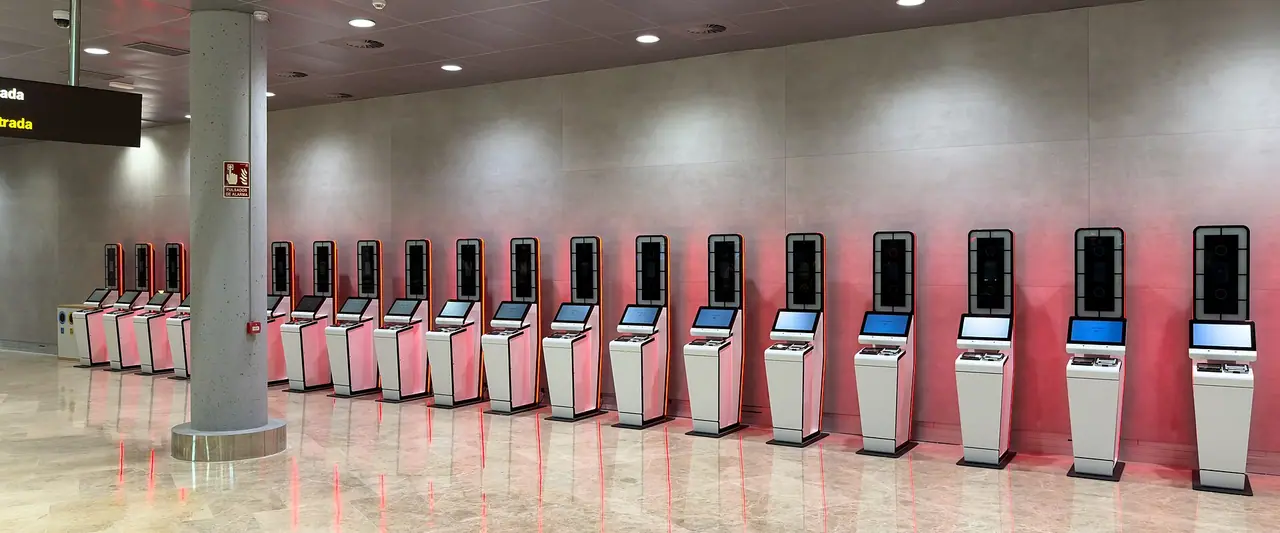
Have you heard about the new fingerprint checks at Europe's borders? No more passport stamps! The EU's Entry/Exit System (EES) has been fully running since 10 April 2026, so UK travellers now have their fingerprints and photo taken at the border. And then there is ETIAS, the online travel authorisation that has been "coming soon" for years. Do you need it for your next trip?
Lots of our favourite trips are in Europe, from Croatia and Switzerland to Madeira and Iceland. So I've read the official guidance from GOV.UK and the European Commission and put everything in one place for you. This is how things stand on 5 November 2026.
Quick answer
- EES is live. It started on 12 October 2025 and has been fully running since 10 April 2026. It replaces passport stamps for UK visitors in 29 European countries.
- What happens: on your first visit you register your passport, fingerprints and a photo at the border. It is free, and your record is valid for 3 years.
- Children aged 11 or younger don't give fingerprints, but they may need a photo.
- Dover, Eurotunnel and Eurostar: the EES checks happen in the UK, before you leave. Expect longer queues.
- ETIAS hasn't started. As of November 2026 there is no launch date. When it starts it will cost €20. Don't pay any website for it now!
- The 90/180 rule still applies, and EES now counts your days automatically.
What is the EES?
The Entry/Exit System is an automated IT system. It registers non-EU nationals who visit for a short stay. Since Brexit, that includes us UK passport holders. It records:
- your name and passport details
- your fingerprints and a photo of your face
- the date and place of each entry and exit
- any refusal of entry
According to the European Commission, the EES started step by step on 12 October 2025 and became fully operational on 10 April 2026. From that date it replaced passport stamping for spotting people who overstay.
Where does EES apply?
The EES runs at the external borders of 29 European countries. These are the Schengen countries: most of the EU, plus Iceland, Liechtenstein, Norway and Switzerland.
There are two exceptions UK travellers should know about:
- Cyprus is in the EU but not in Schengen. GOV.UK says Cyprus is not affected by EES, so make sure you get your passport stamped on entry and exit.
- Ireland is not in Schengen either, and it has its own rules for UK visitors.
What happens at the border
Your first trip after EES started
On your first visit you may be asked to register at a special booth or kiosk before you reach the border officer. You scan your passport, give your fingerprints and have your photo taken. There is no charge for this.
- Children aged 11 or younger won't have their fingerprints scanned, but they can be asked to have a photo taken.
- Your digital EES record is valid for 3 years.
- When you leave, you may need to give a fingerprint or have your photo taken again.
GOV.UK warns that EES may take each passenger extra time, so be ready to wait longer than usual at the border. If you are travelling with kids, pack snacks and something to keep them busy in the queue!
Dover, Eurotunnel and Eurostar
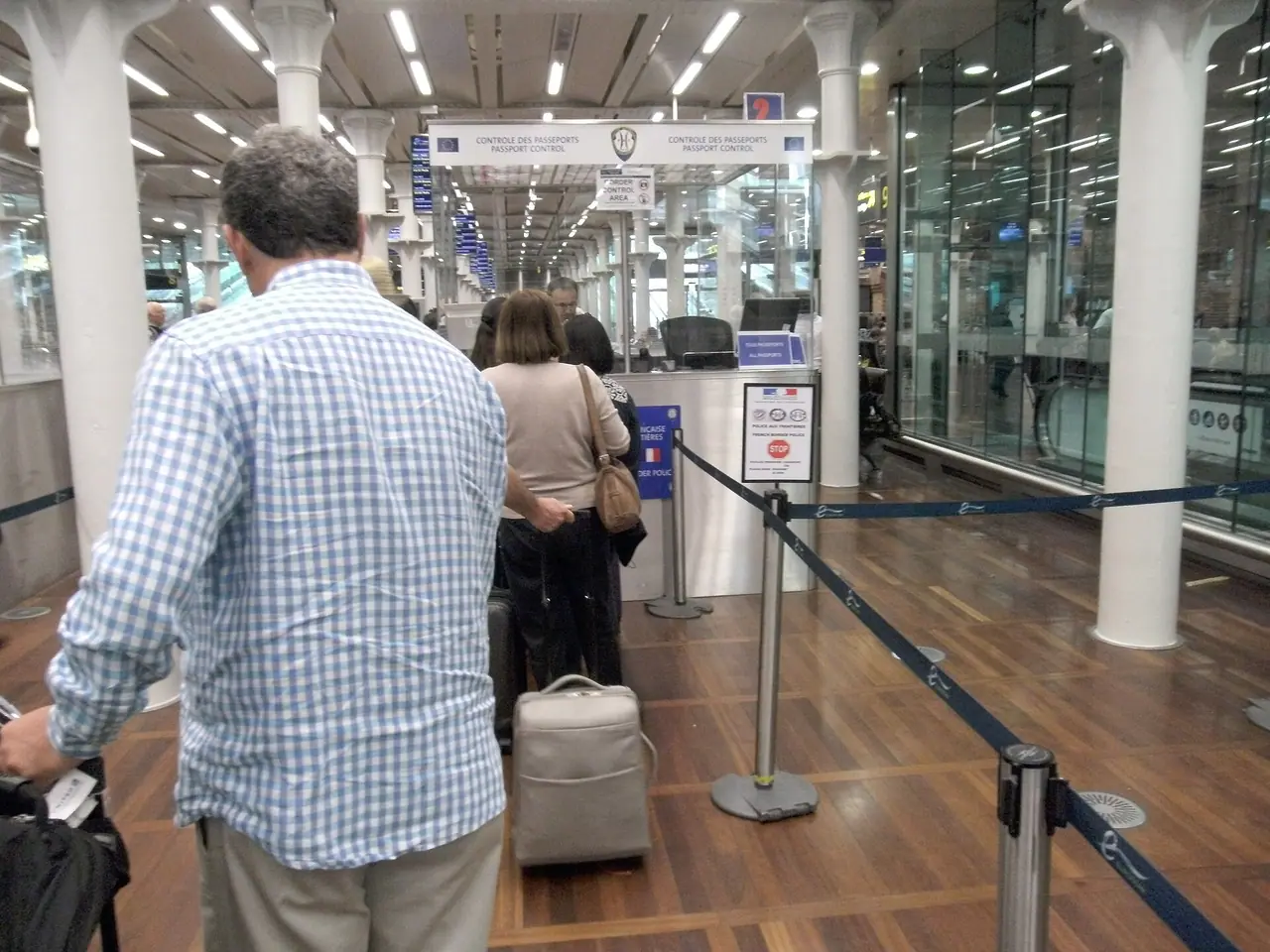
If you leave the UK from the Port of Dover, the Eurotunnel terminal at Folkestone or Eurostar at London St Pancras, the Schengen border checks happen in the UK. So your EES registration takes place before you leave the UK, not when you arrive in France. I suggest arriving early, especially at busy times like school holidays.

What is ETIAS?
ETIAS (European Travel Information and Authorisation System) will be an online travel authorisation for visa-free visitors, including UK citizens. It is not a visa. You will apply online before you travel, a bit like the US ESTA.
ETIAS has not started yet. In March 2025 the European Commission said it would launch in the last quarter of 2026. However, that wording was removed from the official website in July 2026. As of 19 October 2026, no start date had been announced. The EU says it will announce the date several months before launch, so you will have time to prepare.
Here is what we know about how it will work:
- Cost: €20, paid only through the official EU website or app.
- Free for: under-18s and people aged 70 and over.
- Valid for: 3 years, or until your passport expires if that comes first.
- Where: 30 European countries, which are the 29 Schengen countries plus Cyprus.
- Start: there will be a six-month transition period when ETIAS is optional. After that, travellers on their first trip can still get in without one during a grace period.
Watch out for unofficial websites! Any website asking for an ETIAS payment today is not official, because the system isn't running. When it starts, only use the official EU website or app.
EES vs ETIAS at a glance
| EES | ETIAS | |
|---|---|---|
| What it is | Registration at the border (passport, fingerprints, photo) | Online travel authorisation before you travel |
| Status (November 2026) | Fully running since 10 April 2026 | Not started, no launch date |
| Cost | Free | €20 (free under 18 and 70+) |
| Valid for | 3 years | 3 years or until your passport expires |
| Countries | 29 Schengen countries | 29 Schengen countries plus Cyprus |
| Where you do it | At the border (in the UK for Dover, Eurotunnel and Eurostar) | Online, through the official EU website or app |
The 90/180 day rule
UK citizens can visit the Schengen area without a visa for up to 90 days in any 180-day period. This is for things like holidays, visiting friends and family, business meetings and short courses. It is the total for the whole Schengen area, not per country.
The 180 days keep "rolling". To check, count back 180 days from the day you plan to leave. Add up the days you have already spent in Schengen in that time, then add your next trip. It must be 90 days or fewer.
Overstaying can lead to a ban from Schengen countries of up to 3 years. Before EES, border guards worked this out from stamps. Now the system counts your days automatically. Time in Cyprus is separate, with its own 90 days in 180.

Passport rules for Europe
EES doesn't change the passport rules, but they still catch people out. For Schengen countries your UK passport must be:
- issued less than 10 years before the day you arrive
- valid for at least 3 months after the day you plan to leave
If you renewed your passport before 1 October 2018, GOV.UK warns that it may not be valid for Schengen entry, so check the issue date carefully.
In France, for example, border guards may also ask to see:
- a return or onward ticket
- proof that you have enough money for your stay
- proof of accommodation and travel insurance
Speaking of insurance, read my guide to travel insurance for hiking and adventure if you are heading to the mountains.
Tips for UK travellers in 2026
- Check your passport dates as soon as you book, not the night before.
- Allow extra time at the border, especially on your first trip since EES started and at Dover, Eurotunnel and Eurostar.
- Keep track of your days if you travel to Europe a lot or stay for long trips.
- Ignore ETIAS adverts until the EU announces a start date.
- Check GOV.UK travel advice for each country before you go. The entry requirements page is updated when rules change.
- Sort out your phone before you land. Here is my guide to the best eSIM for Europe from the UK.
- Know your rights if your flight is late. See my UK261 flight delay compensation guide.
FAQ
Do I need ETIAS to travel to Europe now?
No. As of November 2026 ETIAS hasn't started and there is no launch date. You can't apply yet, so don't pay any website that offers it.
Does EES cost anything?
No. Registering your fingerprints and photo for EES is free.
Do children need to give fingerprints?
Children aged 11 or younger won't have their fingerprints scanned, but they can be asked for a photo.
Does EES apply in Cyprus and Ireland?
No. GOV.UK says Cyprus is not affected by EES, so get your passport stamped there. Ireland is not in the Schengen area and has its own rules for UK visitors.
Will I have to register every time I travel?
Your digital EES record is valid for 3 years. Even so, you may be asked to give a fingerprint or have your photo taken when you cross the border, including when you leave.
Have you been through the new EES checks yet? How long did the queue take? Let me know in the comments!
Photo credits (4)
All photos on this page are by other photographers and are used under free licences. Thank you for sharing them.
- Cover photo: At Valencia 2025 394 - EES kiosks.jpg by Mike Peel (www.mikepeel.net), CC BY-SA 4.0, via Wikimedia Commons. Resized and cropped for this page.
- Photo 2: London-St Pancras-French-immigration-control.JPG by Opihuck, CC BY-SA 3.0, via Wikimedia Commons. Resized for this page.
- Photo 3: Port of Dover, Kent.jpg by Protolanguage17, CC BY-SA 4.0, via Wikimedia Commons. Resized for this page.
- Photo 4: Eurotunnel Folkestone Terminal.jpg by Ed Clayton, CC BY 2.0, via Wikimedia Commons. Resized for this page.





join the conversation
Comments
No comments yet. Be the first to share your thoughts!