Travel guide
Stand-Up Paddleboarding in the UK for Beginners: Where to Go, Licences and Safety

Want to try paddleboarding? Here is where beginners can hire a board in the UK, when you need a licence, which leash to use and how to stay safe on the water.
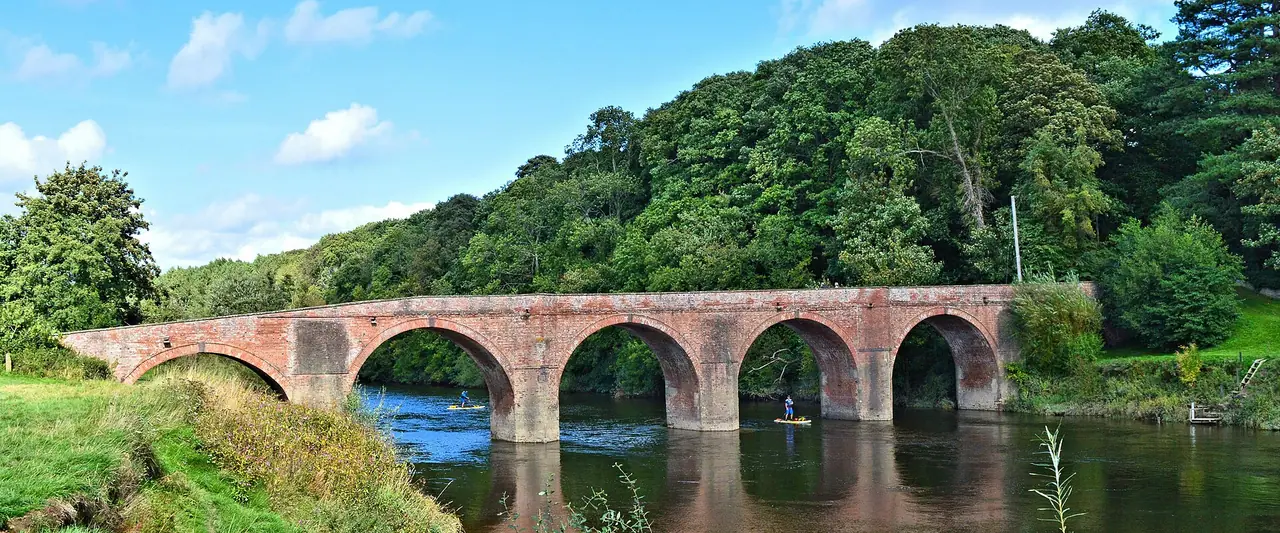
Have you noticed how many paddleboards there are on UK lakes and rivers these days? Stand-up paddleboarding (SUP) looks so relaxing. You glide along, standing up, with a great view of everything around you. But where can you actually go? Do you need a licence? And what happens when you fall in?
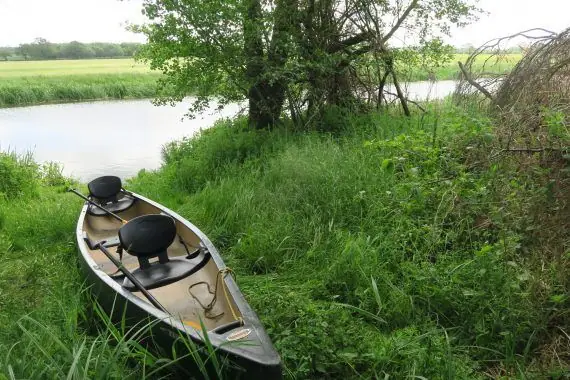
We have done a lot of paddling in canoes and kayaks, from canoe camping on the Thames to a two-day canoe trip from Rushden Lakes. We haven't tried SUP in the UK ourselves yet, but it is high on my list. So I've done my research about licences, safety and the best places for beginners, and I share it all here.
This post may contain affiliate links. If you make a purchase through one of these links, I may receive a small commission at no extra cost to you. As an Amazon Associate, I earn from qualifying purchases.
Quick answer
- Start with a lesson or a hire: beginner SUP lessons at Rushden Lakes start from £29, and hire centres on Derwentwater, Coniston and the Thames at Windsor rent boards.
- Licences: you need one for most canals and rivers in England and Wales. Paddle UK membership (£65 for new adults from 1 April 2026) covers Canal & River Trust, Environment Agency and Broads Authority waters.
- Lake District: the Windermere registration scheme is for powered boats, and hire centres on Derwentwater and Coniston rent boards and buoyancy aids.
- Safety: wear a buoyancy aid, and choose the right leash. On flowing or tidal water, use a quick-release waist leash, not an ankle leash.
- Best first spots: calm lakes, canals and slow rivers on a day with little wind.
Do you need a licence to paddleboard in the UK?
On most rivers and canals in England and Wales, yes. Paddleboards count as boats, just like canoes and kayaks. That includes inflatable boards. If you hire a board or join a lesson, the operator usually takes care of this. But if you have your own board, the licence is your responsibility.
Canal & River Trust waterways
The Canal & River Trust says all paddleboards on its canals and rivers need a valid licence. You have two options:
- A Canal & River Trust licence: for the Trust's waters only, from around £5 a day. It does not cover the Trust's reservoirs.
- Paddle UK membership: it includes a waterways licence for Canal & River Trust canals and rivers, plus Environment Agency and Broads Authority waters. In Wales, Canoe Wales membership does the same job.
Paddle UK membership
Paddle UK used to be called British Canoeing. From 1 April 2026, its On the Water membership costs £65 for new adult members and £54 to renew. It also includes liability insurance. If you plan to paddle more than a handful of times a year, it usually works out better value than buying day licences.
The River Thames
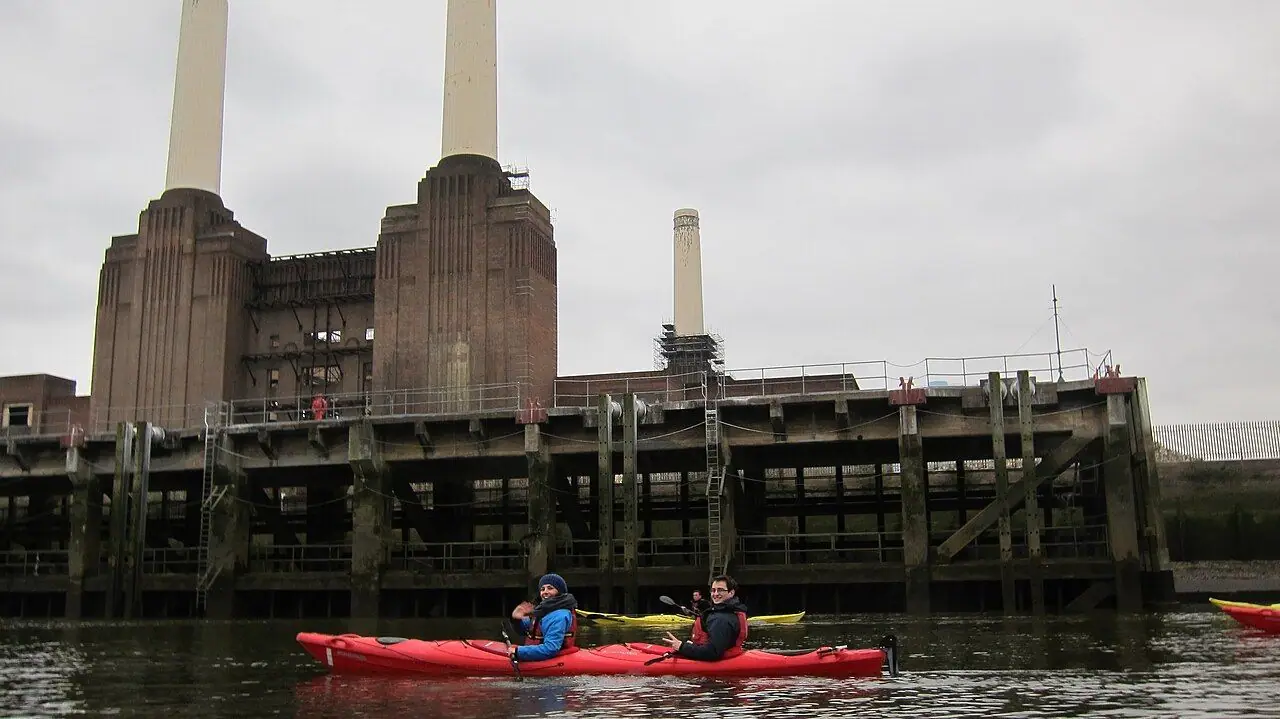
On the non-tidal Thames (Cricklade to Teddington), every SUP must be registered with the Environment Agency. In 2026 a day registration costs £6.10 and an annual one costs £54.90. Paddle UK membership works instead. Below Teddington, the tidal Thames is run by the Port of London Authority. It follows its own Tideway Code, and stand-up paddleboards are not permitted below Tower Bridge. Read more in my guide to kayaking on the Thames.
Lakes, the Broads and Scotland
- Lake District: Windermere registration is for powered boats, such as boats with an outboard or electric motor. You can paddle on Derwentwater, Coniston and Ullswater too, but follow the BoatSafe Code.
- Norfolk Broads: Paddle UK members can paddle without paying the Broads toll.
- Scotland: the Land Reform (Scotland) Act 2003 gives access rights to most inland water, as long as you behave responsibly. Respect anglers and wildlife, and keep away from water intakes and spillways.
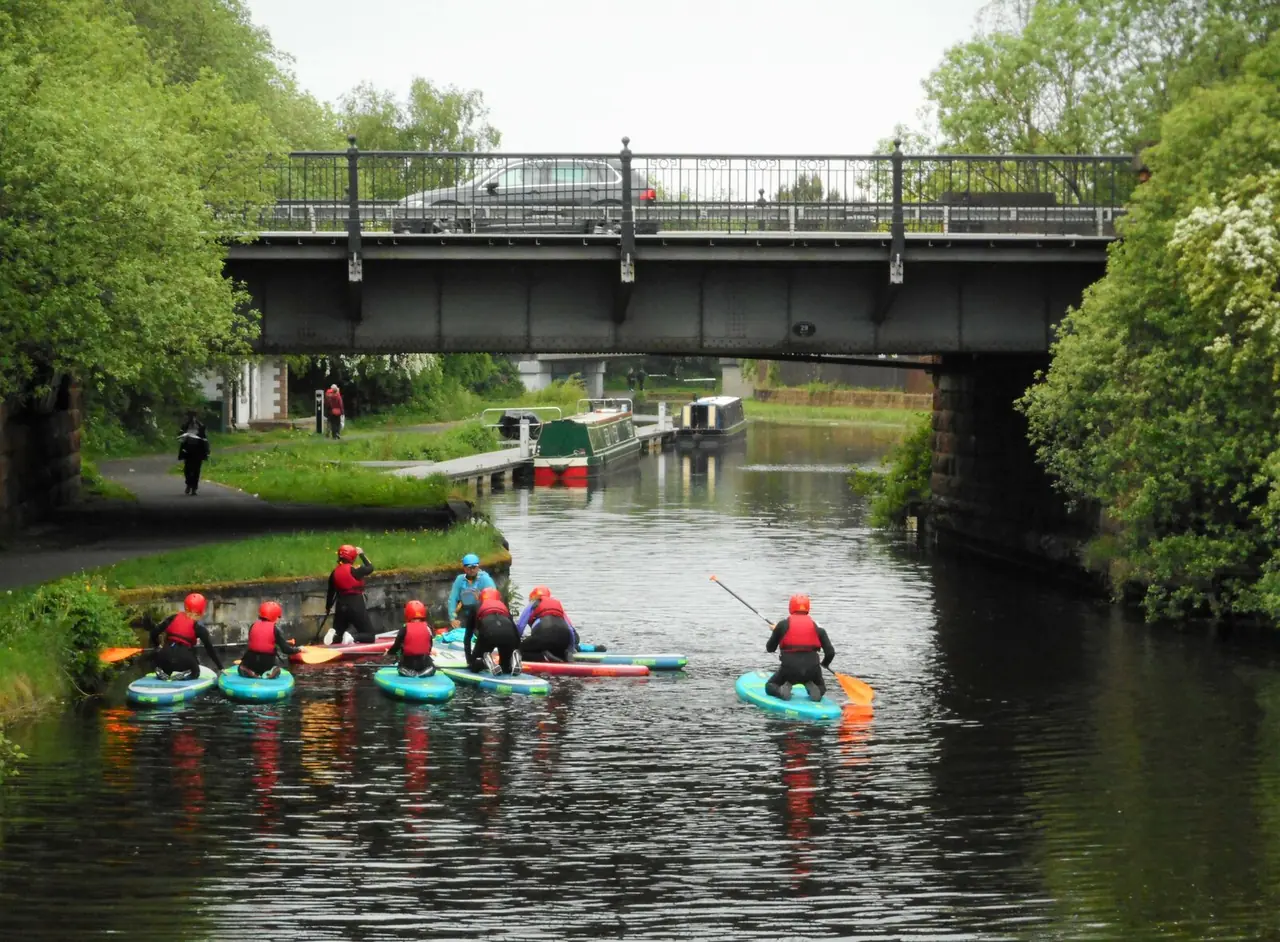
Where to paddleboard in the UK as a beginner
For your first time, you want flat, sheltered water and somewhere to hire a board and a buoyancy aid. These places tick the boxes.
Rushden Lakes, Northamptonshire
Canoe2 is based at The Boathouse at Rushden Lakes. It offers stand-up paddleboarding with beginner lessons from £29, plus canoe and kayak hire on the River Nene. We started our two-day canoe trip on the Nene from here, and it is a lovely, peaceful place to paddle. Parking at Rushden Lakes is free.
Derwentwater and Coniston, Lake District
Derwentwater near Keswick is stunning from the water. The Lake District National Park lists three places that hire paddleboards there: Derwent Water Marina and Nichol End Marine near Portinscale, and Platty+ at the southern end of the lake. On Coniston Water, Coniston Boating Centre hires paddleboards, canoes and kayaks.
The National Park's tips are worth following. Keep close to the shore, as the lakes are busy with boats. Make yourself visible, and ideally go with someone else. The deeper water is cold too.
Windsor and the Thames
Canoe & Kayak Adventures in Windsor hires SUPs as well as canoes and kayaks. It is a 10-minute walk from both Windsor stations. In 2026 it runs from 4 April to 30 November. Paddling with views of Windsor Castle must be pretty special!
London canals
Moo Canoes hires paddleboards, canoes and kayaks from Hackney Wick, near the Olympic Park. Canals are a good choice if you want to avoid tides. Just watch out for narrowboats, and stay clear of locks and tunnels.
Cuckmere River and the Seven Sisters
Buzz Active offers SUP rental and taster sessions on the Cuckmere, near the Seven Sisters. Its hire season runs from April to October. The river is tidal, so plan your trip to go with the tide. Read more in my post about our day trip to the Seven Sisters.
The Norfolk Broads and the River Wye
The Broads are flat and sheltered, which makes them great for beginners. TheCanoeMan hires paddleboards from several bases, including Wroxham. On the River Wye, Wye Canoes hires paddleboards too. We loved canoe camping on the Wye, but rivers flow, so they are better for your second or third trip.
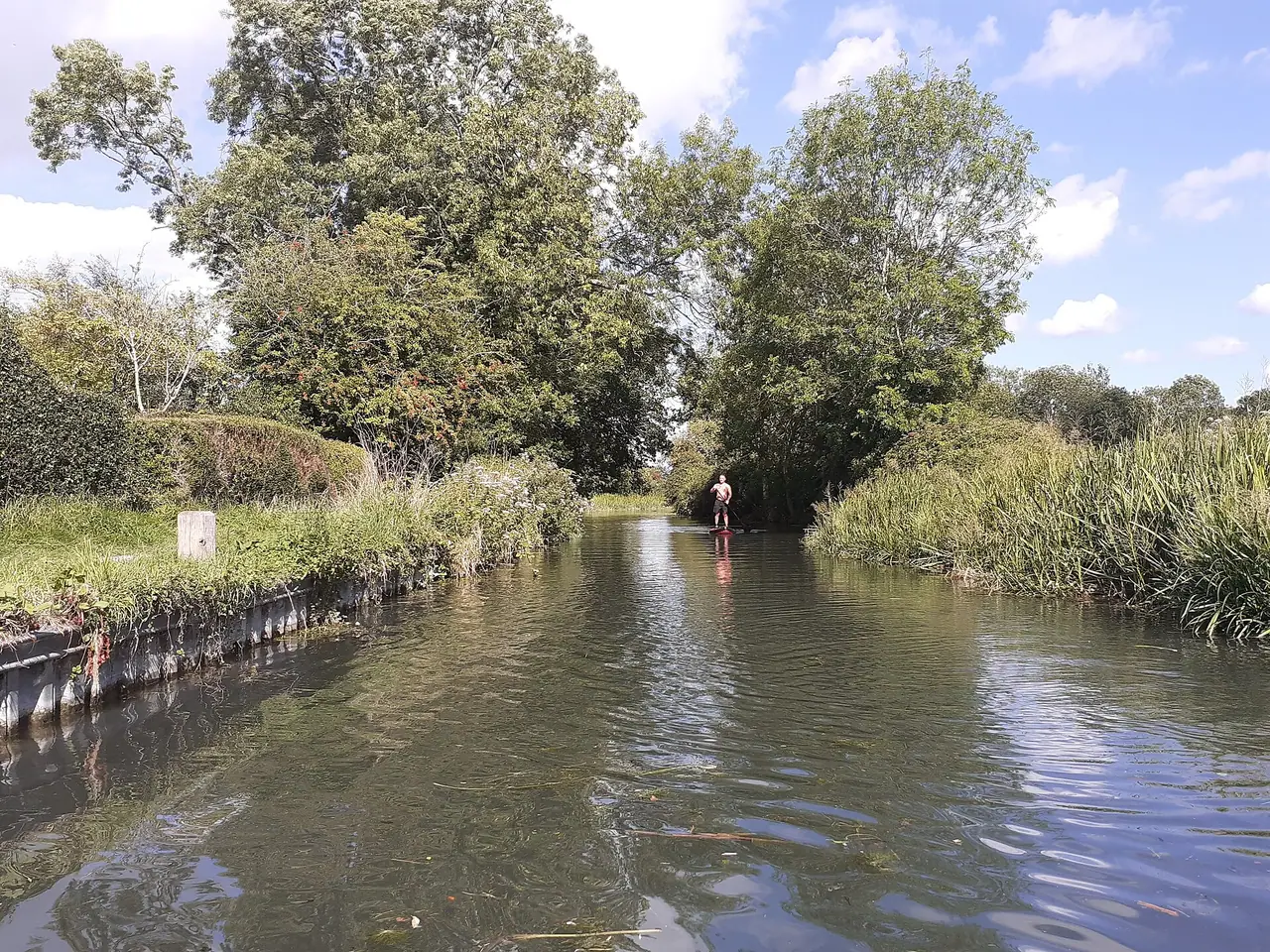
SUP safety for beginners
Choose the right leash
The leash keeps you and your board together when you fall in. However, the wrong leash can be dangerous. British Canoeing (now Paddle UK) explains it clearly:
- Ankle or calf leash: for lakes, canals, sea and coastal bays, surf and slow-moving deep rivers. Always put it on the same leg, so you know where to find the release.
- Quick-release waist belt: for moving water, like flowing rivers, tidal rivers and estuaries. On moving water an ankle leash can snag on obstacles, and you may not be able to free yourself. A waist belt can be released quickly.
On the tidal Thames, paddlers have been swept against pontoons, moored boats and buoys. Because of this, the Port of London Authority requires SUP paddlers on the Tideway to use quick-release waist belts rather than ankle leashes.
More safety tips
- Wear a buoyancy aid. The Lake District National Park says to always wear one on the water.
- Check the wind. The wind can change quickly and make paddling much harder. Avoid offshore winds at the coast, which blow you away from land.
- Start on your knees. Kneel until you feel stable, then stand up slowly with your feet hip-width apart.
- Stay close to the shore and keep clear of bigger boats, which need lots of room to turn. On Windermere, pass at least two ferry lengths behind the car ferry.
- Paddle with someone, or book a guide or a lesson for your first few trips.
- Carry a way to call for help. Keep your phone in a waterproof pouch.
- Dress for the water, not the weather. UK water is cold even in summer, so a wetsuit is a good idea.
- Check, clean, dry: clean and dry your board before you paddle somewhere new, so you don't spread invasive species.
If you plan to paddle somewhere remote with no phone signal, a satellite messenger is worth considering. The Garmin inReach Mini is one I recommend in my wild camping kit list. It is waterproof and has an SOS button. Read more in my guide to the best personal locator beacons.
What you need for your first SUP session
- Board and paddle: hire them for your first few sessions. Wider boards feel more stable for beginners.
- Buoyancy aid: hire centres provide one.
- The right leash for the water you are on.
- Wetsuit or quick-drying clothes, plus a warm layer for afterwards.
- Shoes you can get wet for launching and landing.
- Water, snacks and sun cream.
- Your licence or Paddle UK card if you use your own board.
If you'd rather sit down, or you want to paddle with a child, an inflatable kayak might suit you better. The Aqua Marina Laxo is one I recommend in my guide to the best inflatable kayaks in the UK. It is a double kayak that is ideal for beginners, and you can adjust the seats to paddle it solo.
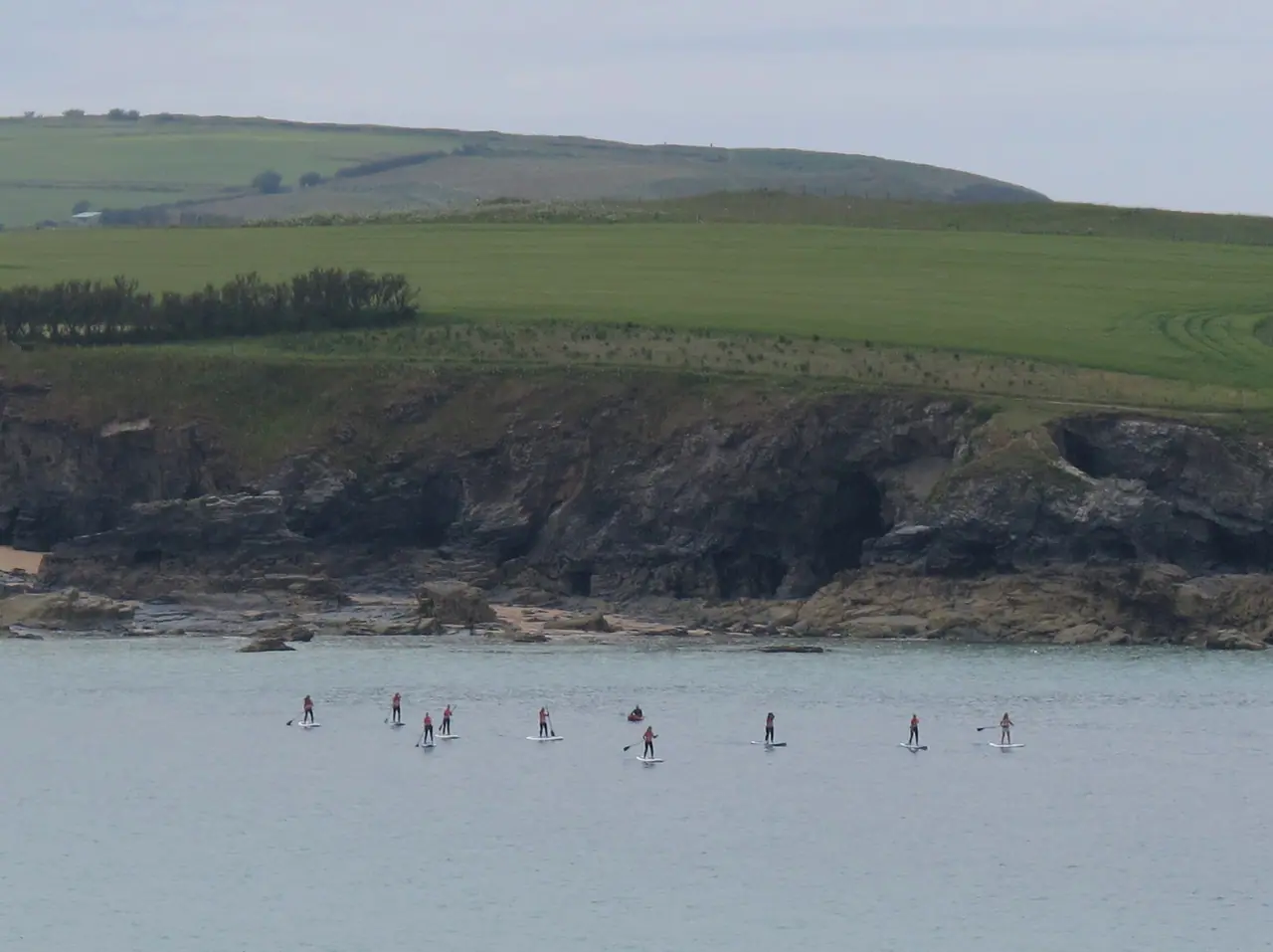
SUP lessons and next steps
A lesson is the quickest way to learn how to stand up, turn and get back on your board. Paddle UK also has Paddle Awards (Start, Discover and Explore), which are good if you want to build your skills step by step. Once you feel confident on flat water, try a gentle river trip. For more inspiration, have a look at our best UK kayak and canoe trips.
FAQ
Do I need a licence for a paddleboard in the UK?
On most canals and rivers in England and Wales, yes. You can buy a Canal & River Trust licence (from around £5 a day) or an Environment Agency registration for the Thames (£6.10 a day in 2026), or join Paddle UK, which covers both. In the Lake District, the Windermere registration scheme is for powered boats.
Is paddleboarding hard for beginners?
It is easier than it looks on calm, flat water. Start on your knees, pick a wide board and go on a day with little wind. A lesson helps a lot too.
Should I use an ankle leash or a waist leash?
Use an ankle or calf leash on lakes, canals and the sea. On flowing or tidal rivers, use a quick-release waist belt, as an ankle leash can get snagged.
Can you paddleboard on the Thames in London?
Only with care. The tidal Thames follows the PLA's Tideway Code, you need a quick-release waist leash, and stand-up paddleboards are not permitted below Tower Bridge. Beginners are better off on the non-tidal Thames, like at Windsor, or on London's canals.
Where can I try paddleboarding near London?
Moo Canoes in Hackney Wick hires boards on the canals. Canoe & Kayak Adventures in Windsor and Buzz Active on the Cuckmere are good day trips from London.
Have you tried stand-up paddleboarding in the UK? Where should we go first? Let me know in the comments!
Photo credits (4)
All photos on this page are by other photographers and are used under free licences. Thank you for sharing them.
- Cover photo: Bredwardine bridge, with paddle boarders - geograph.org.uk - 6593870.jpg by Philip Pankhurst, CC BY-SA 2.0, via Wikimedia Commons. Resized and cropped for this page.
- Photo 2: Paddleboarding lesson (geograph 7177707).jpg by Richard Sutcliffe, CC BY-SA 2.0, via Wikimedia Commons. Resized for this page.
- Photo 3: Stand-up paddleboarder, Basingstoke Canal - geograph.org.uk - 7581520.jpg by Christine Johnstone, CC BY-SA 2.0, via Wikimedia Commons. Resized for this page.
- Photo 4: Paddle boarders in Harlyn Bay - geograph.org.uk - 4041223.jpg by David Hawgood, CC BY-SA 2.0, via Wikimedia Commons. Resized for this page.


join the conversation
Comments
No comments yet. Be the first to share your thoughts!